As an early celebration of Saint Valentine’s Day, this week’s Friday Poem is ‘Love Birds’ from Paul Henry’s The Brittle Sea: New and Selected Poems.
 The ritualistic moments of connection in ‘Love Birds’ defy the couple’s physical separation, and we see a resilience and unification almost comical in its persistence. ‘The screws must laugh’ at this display, yet it is sombre and essential, an anchor against ‘the difficult, unreal dawns’ faced alone.
The Brittle Sea contains a substantial selection of Paul Henry’s beautifully crafted poems from the last two decades, plus new material. The individual human voice, the ragged vagaries of the heart and soul, the joys and sorrows of family life feature here but this poetry is personal without being confessional, preferring tender observation to sensationalism or didacticism.
Love Birds
They rendezvous each night, at ten,
for ten minutes, behind closed eyes,
he in his cell, she in the brown rocker.
And once a fortnight, for half an hour,
their fingers form a desperate nest,
remembering the robin he’d fed
that misses him at the back door,
its freedom disorientated.
The screws must laugh at these love birds,
each week’s confetti of letters,
or secretly gain faith from matching
her sentences to his.
He hears her singing Porgi Amor
in the difficult, unreal dawns
when the walls barge further into him
and terrible lights flash in his mind.
When the bars of his hands close tightly on
what might prove the last breath
of some precious, invisible creature.
She knows all this, waiting
in the early kitchen, lovingly timing
two cracked eggs in a saucepan.
Get your copy of The Brittle Sea: New and Selected Poems from the Seren website: £9.99
Join our free, no-purchase-necessary Book Club for 20% off every time you shop with us



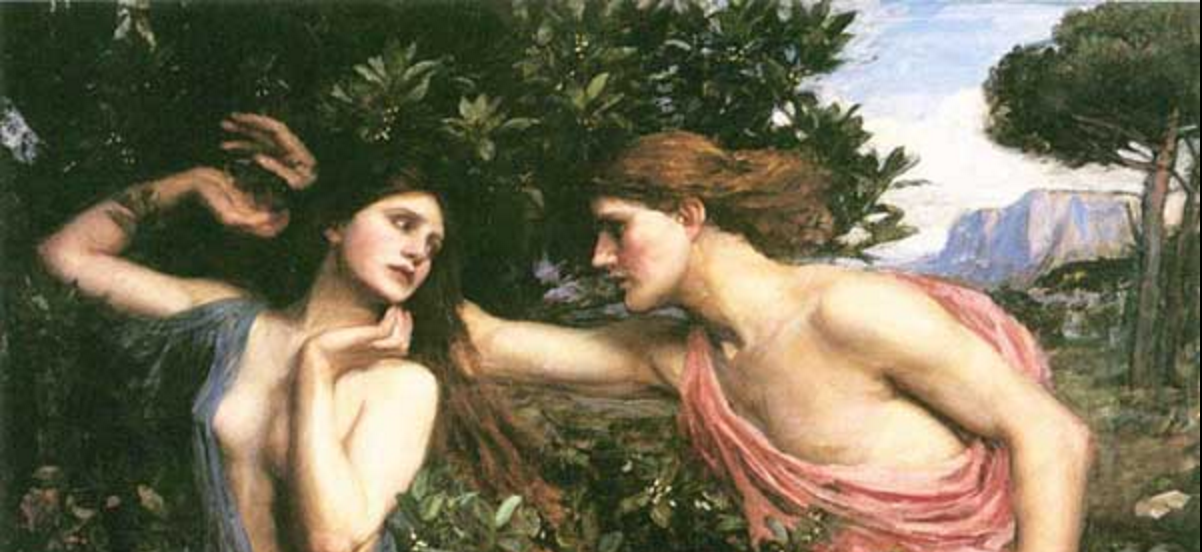
 ‘The title, ‘Her to Apollo’, contains a pun on Hymn to Apollo. I don’t have a particular Hymn in mind; it’s simply an allusion the classical genre. I wanted to signal a feminist ‘take’ on the theme. The speaker is a woman addressing the Sun God as her lover, though with no great reverence towards him.’ says Carol Rumens.