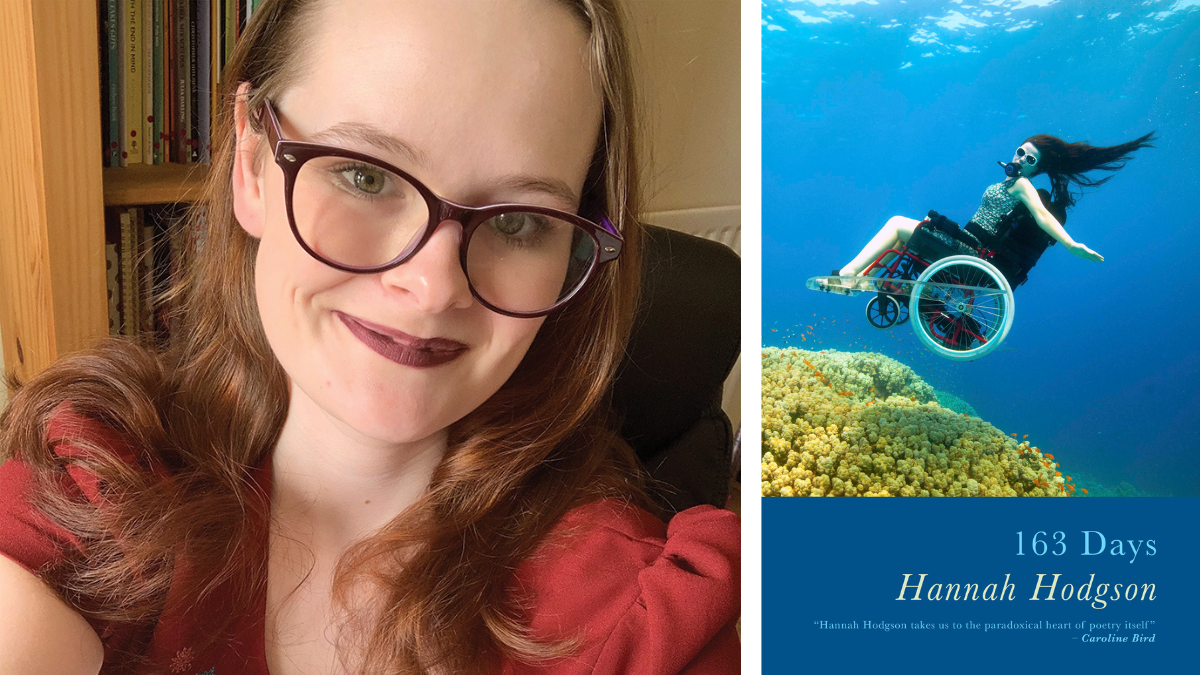
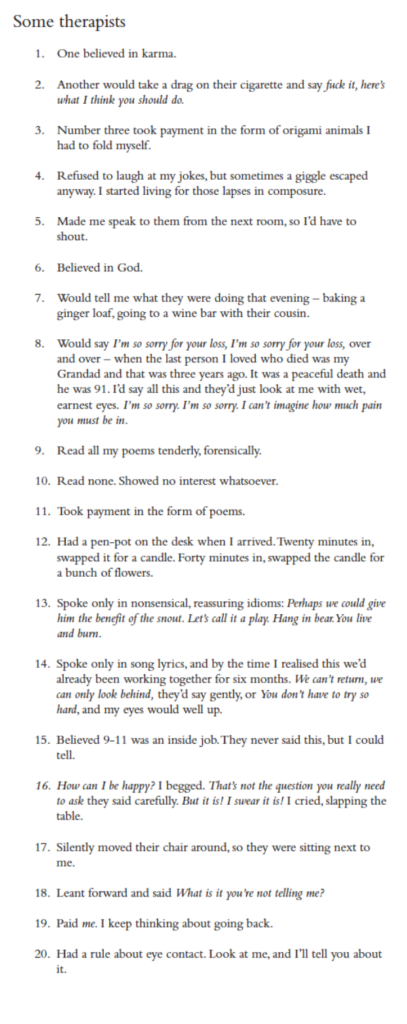
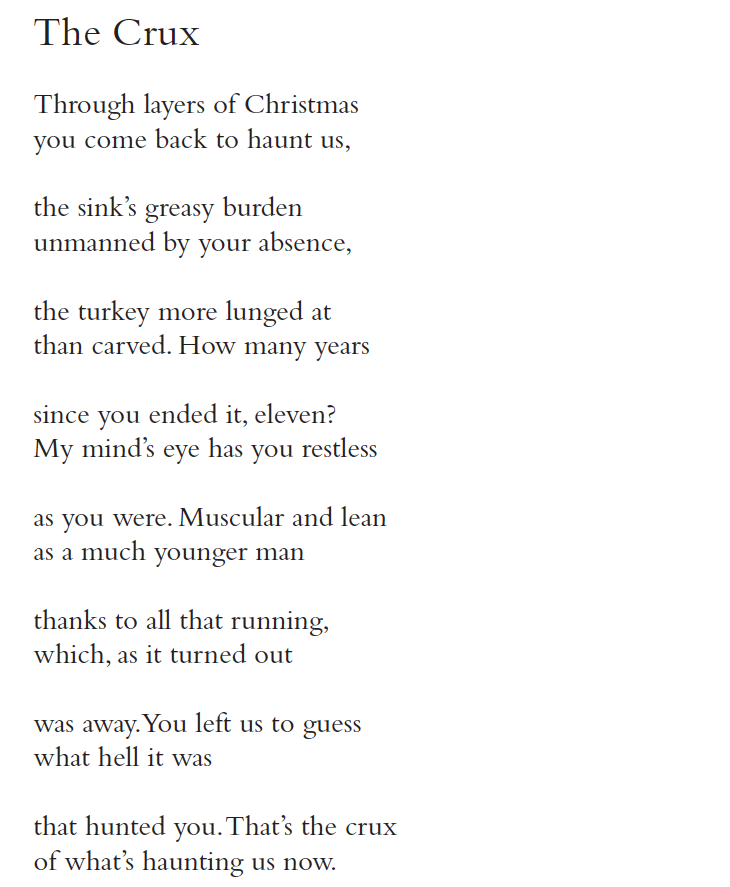
Seren poet Hannah Hodgson has been longlisted for Lakeland Book of the Year with her debut collection 163 Days.
Lakeland Book of the Year is an annual award for books which are connected to the Lake District in Cumbria. As a local author, Hannah Hodgson is longlisted alongside authors writing in a variety of genres.
The 2023 awards will be held at The Inn on the Lake, Glenridding on Tuesday 11th July.
The full longlist is available on the Cumbria Tourism website. The shortlist will be announced soon!
A year on from publication of her collection Sanctuary: There Must Be Somewhere, Angela Graham reflects on the creation of this innovative poetry collection and on what she has learned from readings.
Sanctuary – A Year On
May 30th 2023 marks the first year in the life of my first poetry collection, Sanctuary: There Must Be Somewhere. I’d like to consider what I gained from taking that step in the company of five other poets and what I’ve learned from reading from the collection to audiences.
I hardly need to state how sanctuary preoccupies the whole world. It was clear to me that the book should not be a solo effort but one undertaken with other poets so that the collection itself would be a welcoming space, a kind of sanctuary.
I sought out two poets from Wales and two from Northern Ireland (as I live in both places) who had some expertise in an aspect of sanctuary. They were not obliged to write on that theme. Furthermore, rather than giving a poem they had written, they would each write a poem with me. This deeper level of collaboration, although challenging, proved very fruitful.
It wasn’t until the reviews started coming in that I realised quite how unusual my approach was considered to be.
“Graham’s project is hugely experimental — few poets give space in their debut collections to others… as praxis, the project seems politically perfect, an unselfish poetic gesture underlining the ‘unevenness’ of sanctuary that is genuinely thought-provoking.”
Tim Murphy, London Grip
“the poems… are very finely wrought, whether by Graham or by her guests. This is a generous inclusion, of course, but Graham is a poet who is skilled and sublime enough, I imagine, not to feel any threat from it or, indeed, from anyone or anything at all.”
Mab Jones, Buzz Magazine
To me, poetry is one of the most intimate means of bridging the gap between one person and another, usually between the poet and reader or listener. It seems natural to me to want to achieve another kind of intimacy, in this case, during the actual process of creating the poem. I pay unreserved tribute to Phil Cope, Mahyar, Viviana Fiorentino and Csilla Toldy who allowed me to reflect on drafts with them; who were never defensive; who showed, to a remarkable degree, the humility of the true artist whose care is about the work in hand and not their own ego. I have gained immeasurably from being part of this whole-hearted process and consider myself very fortunate.
In addition, my mentor, Glen Wilson was tactful and committed and I am delighted that he gave a fine poem to the book. I was very moved when Glen sent me a recording of a beautiful song he composed called, There Must Be Somewhere. I felt this was evidence of how the theme and experience had entered him, to emerge from him afresh as something beautiful in a new medium. He performed this at the launch during the Belfast Book Festival in June last year. Covid kept Viviana away entirely and Csilla had to join via video but it was none the less wonderful to be together as a group.
All this hasn’t made me feel the book is any less mine. It has expanded the whole work without taking anything away from me.
Photograph of St Cooraun’s Well, Ireland. Copyright Phil Cope
The book in performance has been a revelation to me. I am a TV/film producer by trade so the audience comes first. If they can’t hear, are uncomfortable, or baffled then it’s a waste of everyone’s time. In a reading people can’t see the text so I have greatly enjoyed working out how to convey things that are clear on the page via quotation marks or italicisation, for instance, or by means of a line-break or capitalisation. The importance of poem titles has become more evident and the fact that they are an important poetic resource to be exploited.
I’ve tried to design the performance to suit the audience rather than develop an unchanging ‘act’. It’s true one sometimes has no idea of the nature of the audience so there has had to be some smart footwork occasionally! Recently I was asked, at half an hour’s notice, to read to a group of no-nonsense Belfast women at a reconciliation centre. I could tell at once that they would see through anything that was less than authentic and that I had to take very particular care to give something of my life, in addition to the poems.
I learnt a lesson there about how important story is. I had set out the background to a poem which is to do with an unsolved mystery in my family. After the final poem, when I made to leave, a cry went up, ‘Don’t go! Tell us what happened.’ I had moved on, in terms of my reading, but that desire to know how things end, which is, in essence, a desire to know the truth, was in my listeners’ minds and they wanted it satisfied. So the writerly me realised that there, in that mystery and its resolution, is a key element of the book I’m currently editing. I hadn’t appreciated its appeal.
In several sessions I have brought typescripts of poems or used power point to set out text and also used images and videos. An audience of poetry lovers is more experienced in listening to poetry than a more general mix of people. The latter, so far, in my experience, welcome some help in encountering what is not, to them, a familiar medium.
I was Author of the Month in December last year for Libraries Wales and this gave me the chance to meet a variety of audiences. In each case, the librarians were very helpful because they know their clients. They devised materials that would appeal. In Bargoed we had beautiful printed cards, showing one of my Christmas poems.
Angela Graham with staff at Bargoed Library
In Llanelli library the experience was particularly communal even though the group were strangers to each other. I think this was because of something I’ve done in every reading. I start by inviting people to take sixty seconds to consider what ‘sanctuary’ means to them. This unlocks a fascinating range of experience. When I read my poems, perhaps they enter that internal space whose door has been pushed ajar by those intimate reflections.
The final two poems in the book go together well. ‘There Must Be Somewhere’ attempts to face the brutal facts of how dangerous life is yet how faith in the possibility of sanctuary exerts itself nonetheless.
The final poem, ‘Home’ shares the greatest lesson I’ve learned from writing the book: sanctuary may be a place but it’s also something we can be.
Angela Graham
Angela Graham has a poem published in a chapbook edited by Phil Cope called The Oldest Music (Parthian), published May 2023.
Her poem ‘The Irish Civil War, County Tipperary, Summer, 1922’ is currently touring Ireland as part of Poetry As Commemoration’s Poetry Juke Box curation. It is one of 10 poems selected from the whole of Ireland and is in Limerick and Derry as of 19th May. This major initiative marks the Decade of Centenaries, 1912 – 1922, one of the most turbulent in Ireland’s history.
You can also watch an NVTV documentary about Angela’s poetry in Ulster-Scots here.
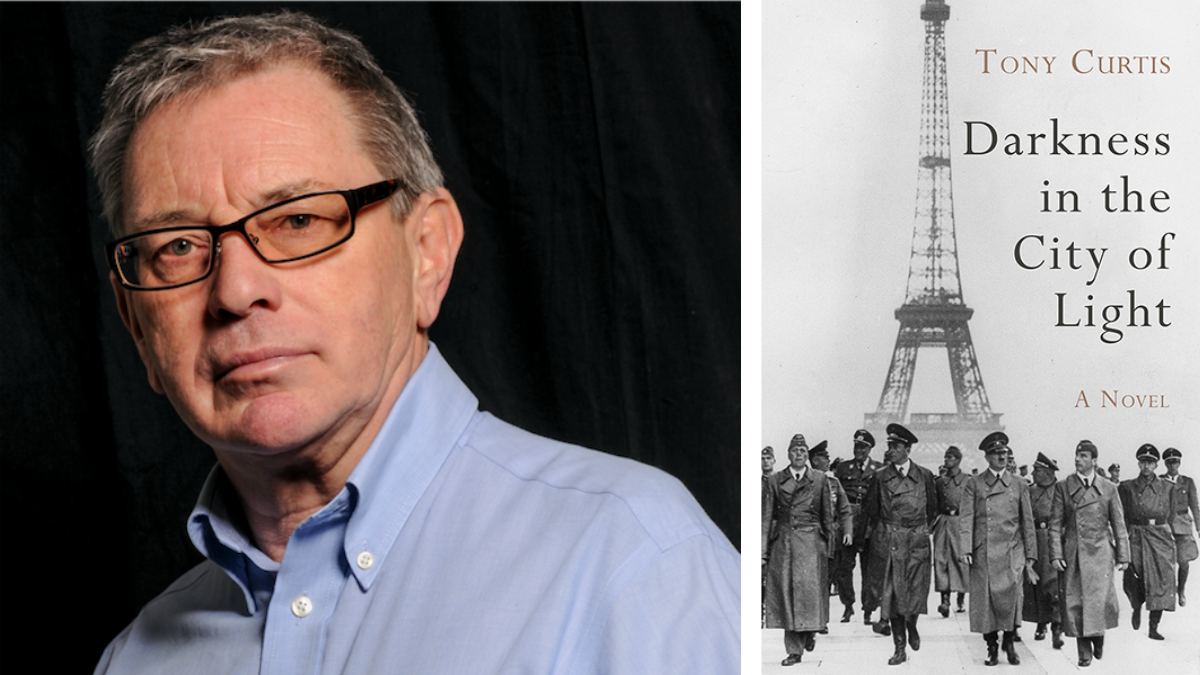
Tony Curtis has been shortlisted for The Society of Authors Paul Torday Memorial Prize with his debut novel Darkness in the City of Light.
The Paul Torday Memorial Prize is awarded annually to the best debut novel by an author over the age of 60. This year’s stellar shortlist includes five debut novels including Lessons in Chemistry by Bonnie Garmus and Murder at Evensong by Reverend Richard Coles. Judge Kathy O’Shaughnessy commented, “…the novels on this shortlist were wonderfully varied. It was a pleasure to see such excellent writing… Each book showed a true writer’s commitment to making the subject come alive, and compellingly pulled this reader forward.”
Darkness in the City of Light is one of two novels on the shortlist published by an independent publisher and the only published by a publisher in Wales. The full shortlist is:
Tony Curtis for Darkness in the City of Light (Seren)
Jonathan Franklin for Red Road Green (Sparsile Books Ltd)
Bonnie Garmus for Lessons in Chemistry (Doubleday, Penguin Random House)
Julie Owen Moylan for That Green Eyed Girl (Michael Joseph, Penguin Random House)
Reverend Richard Coles for Murder Before Evensong (Weidenfeld & Nicholson)
The winner will be announced on the 29th June at Southwark Cathedral in a ceremony celebrating all of the Society of Authors Awards. The ceremony can be watched online for free, or you can purchase tickets to attend in person.
You can view the full shortlists for all of The Society of Authors Awards on their website.
Seren authors Sophie Buchaillard and Paul Henry have both been shortlisted for Wales Book of the Year 2023.
The shortlists were announced on BBC Radio Wales on Sunday 21st May. Sophie Buchaillard’s debut novel This is Not Who We Are is shortlisted for The Rhys Davies’ Trust Fiction Award. Meanwhile Paul Henry is shortlisted for The Poetry Award with his collection As If To Sing, the second time he has been shortlisted.
This year’s judges include Emily Burnett, Emma Smith-Barton, Kristian Evans and Mike Parker. Following the announcement, Mike Parker said “…the standard of this year’s Wales Book of the Year shortlist is extraordinarily high. To arrive at it, we had to lose wonderful books in every single category – it was a very hard-fought battle, and a supremely intense discussion. Picking the winners will be an even tougher challenge!”
Wales Book of the Year is an annual prize run by Literature Wales, which celebrates outstanding literary talent from Wales across many genres and in both English and Welsh. There are four categories in each language – Poetry, Fiction, Creative Non-fiction, and Children & Young People, with one of the four category winners announced as the Overall Winner, and claiming the title Wales Book of the Year 2023.
Literature Wales Executive Director Clare Furlong said, “It is a pleasure to co-celebrate Welsh Literature with writers, publishers, readers, and the whole literary sector… I encourage you all to go ahead and read the shortlist, and wherever you are – at the library, the office, or at the school gate – discuss, celebrate, and encourage others to do the same.”
The category winners and overall Wales Book of the Year 2023 will be announced in a ceremony at the Tramshed in Cardiff on Thursday 13th July 2023. Voting is now open for the Wales Book of the Year People’s Choice Award via the Wales Arts Review website, where you can vote for your favourite title on any of this year’s shortlists.
To celebrate National Walking Month, we asked some of our authors to suggest walks featured in their books which anyone can enjoy. Read on to find out more.
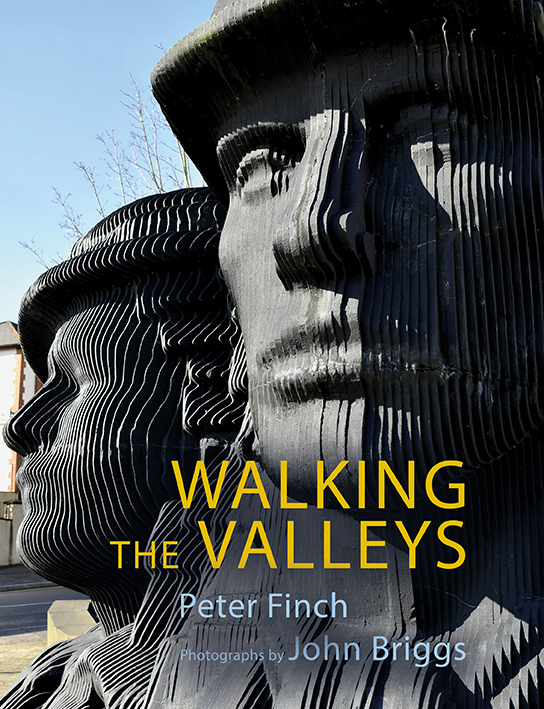
Walking the Valleys by Peter Finch and John Briggs
Walking the Valleys is a collection of fifteen walks around the South Wales Valleys. Author Peter Finch suggests trying these interesting urban rambles which feature in the book alongside John Briggs’s lively photographs.
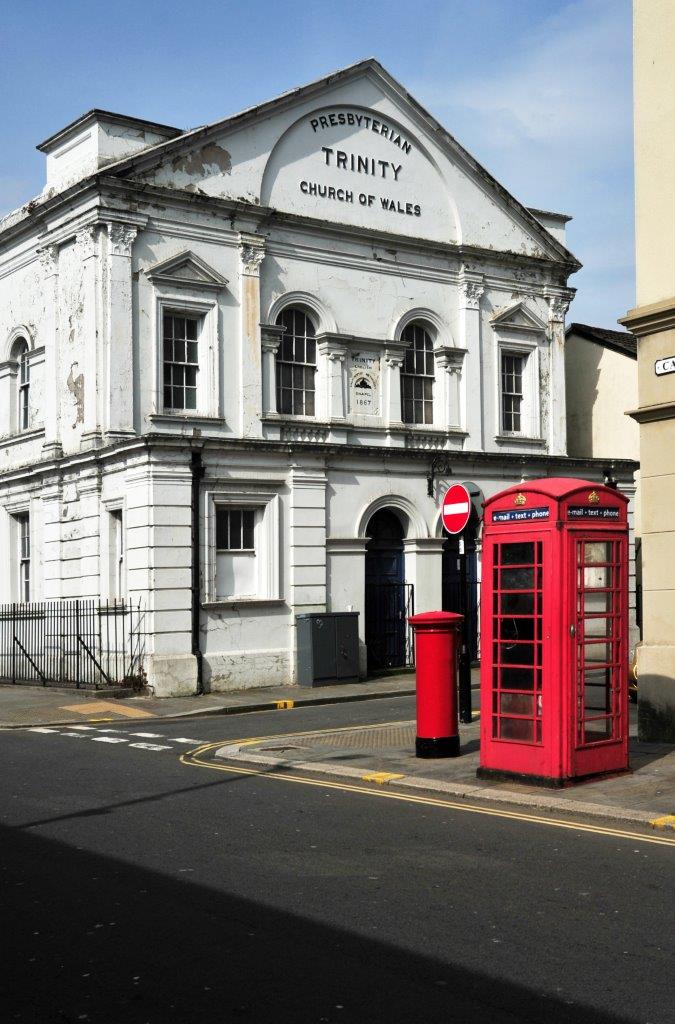
Aberdare: ‘Four and a half miles circular walk around Aberdare, Queen of the Valleys. A splendid walk that takes in the canal, the remains of the iron industry, the chapels and the bustling and once choir-filled town. Ups and downs throughout and thoroughly invigorating. End up at the Cynon Museum, best in the valleys.’
Gelligaer to Bargoed: ‘Six and a half miles from Pengam rail station to Gilfach International (smallest rail platform in south Wales) via townscape and open moor. Pass through an historical vortex – Roman remains, standing stones, Celtic crosses, Welsh castles, reclaimed coal tips and rushing rivers. Start at one rail station and finish at another.’
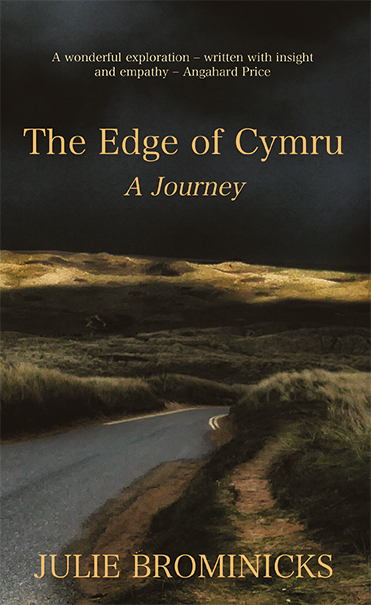
The Edge of Cymru: A Journey by Julie Brominicks
In her book The Edge of Cymru, Julie Brominicks recounts her year-long walk around the edge of Wales following the Wales Coastal Path and Offa’s Dyke Trail. Here she suggests some easily accessible sections of the route which made an impact on her.
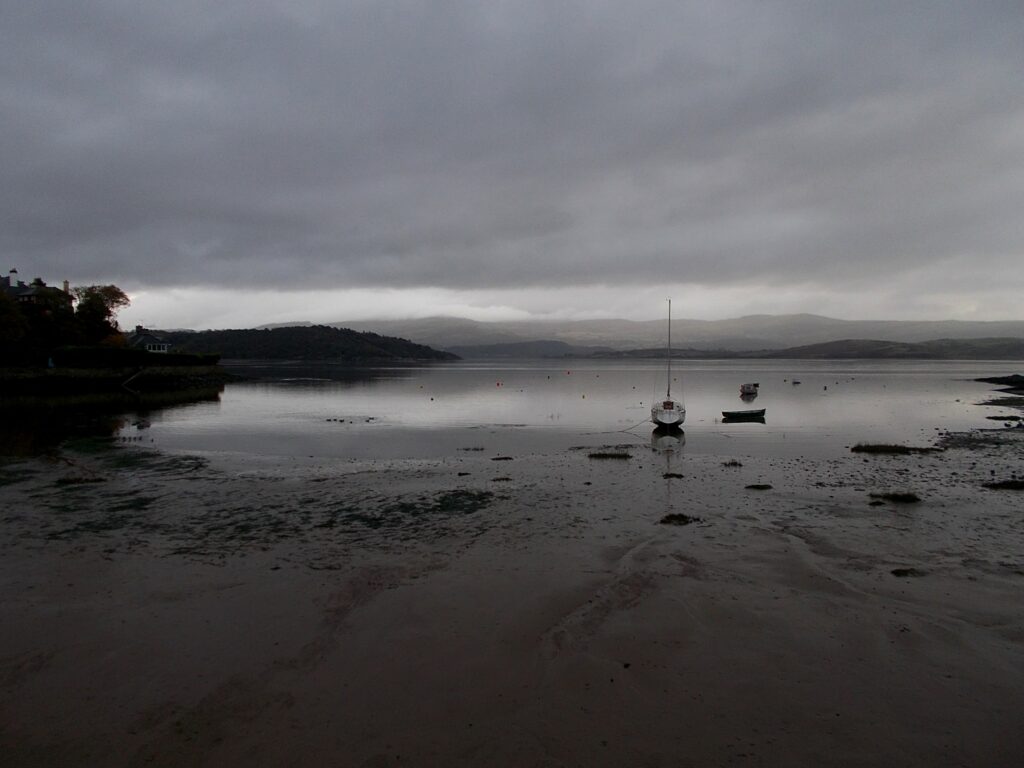
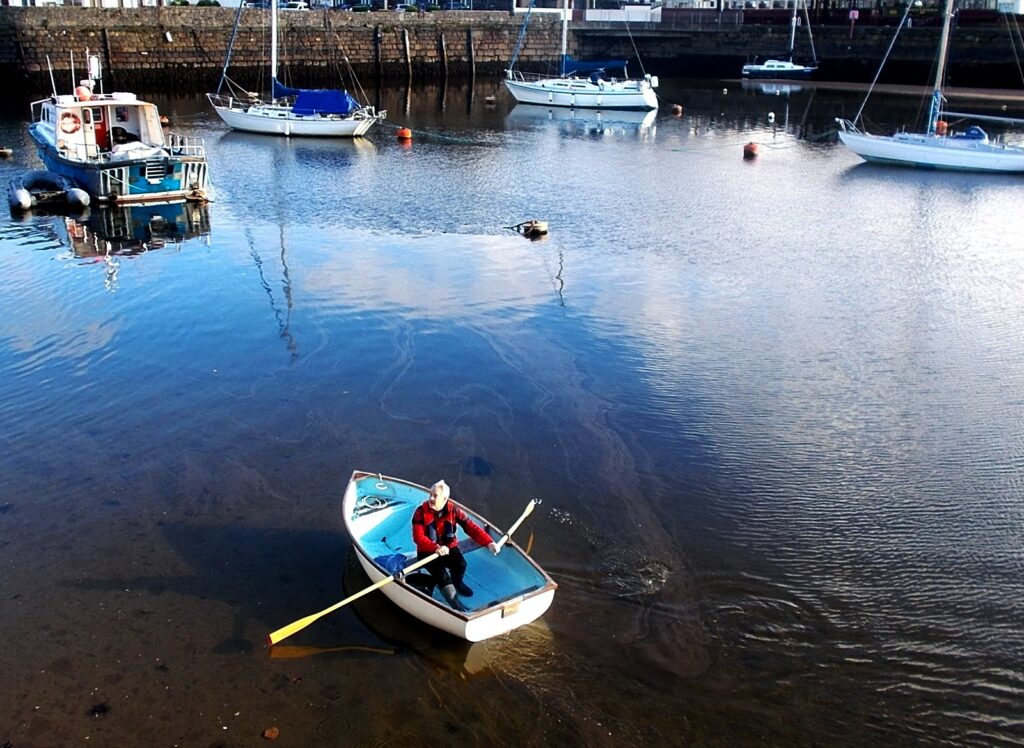
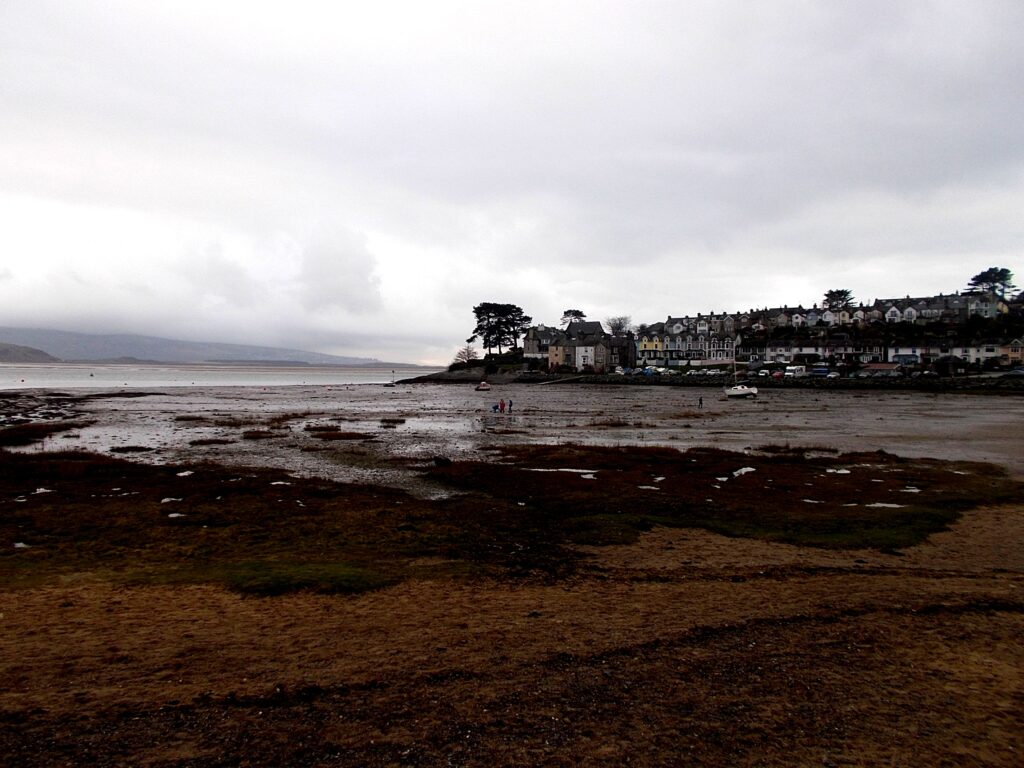
‘Porthmadog and Criccieth are both well served by connecting trains and buses making the coast path between them easily accessible for non-drivers like me. This is a dreamy walk. Even the fascinating steam trains, boats, traffic and noisy high street of Porthmadog seem to be tolerated by the surrounding mountains which speak of something else, stronger but silent. Afon Dwyryd is particularly poetic. In all seasons and weathers its light is nuanced, its estuary waters shift. There is intrigue in the shingly marsh at Borth-y-Gest and the labyrinthine paths and secretive inlets that follow. Less so along the beachy stretch from the headland to Criccieth but this stretch is good for being brisk. And Criccieth has a lot more going on than sweet tea-rooms, should you care to look.’
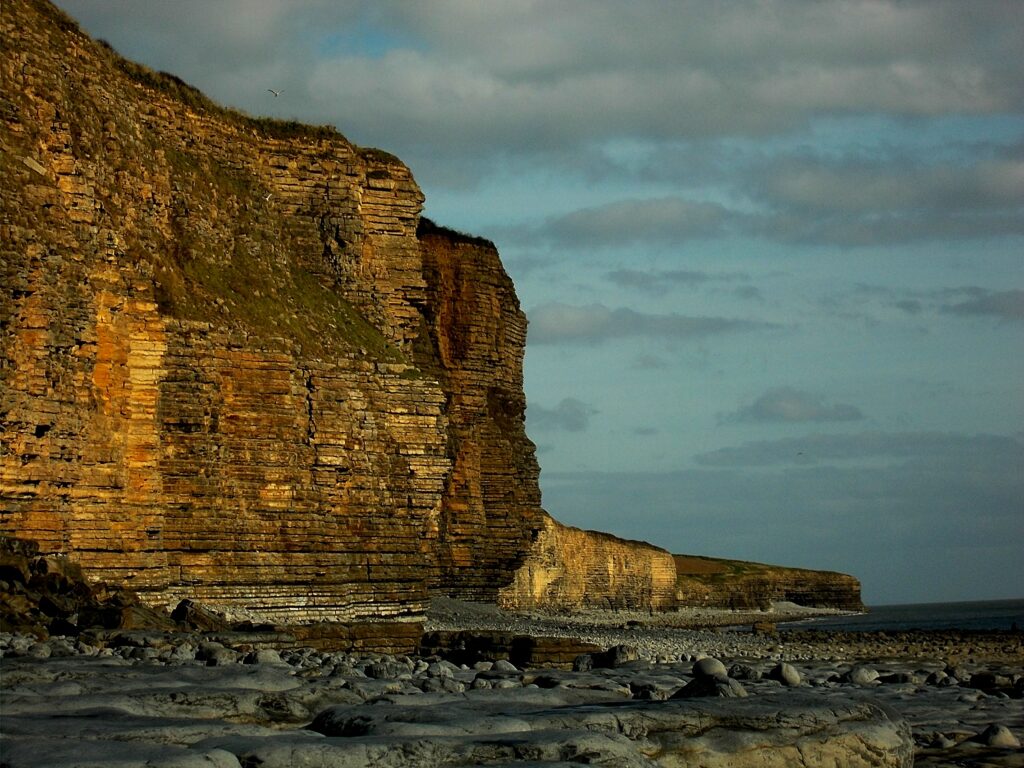
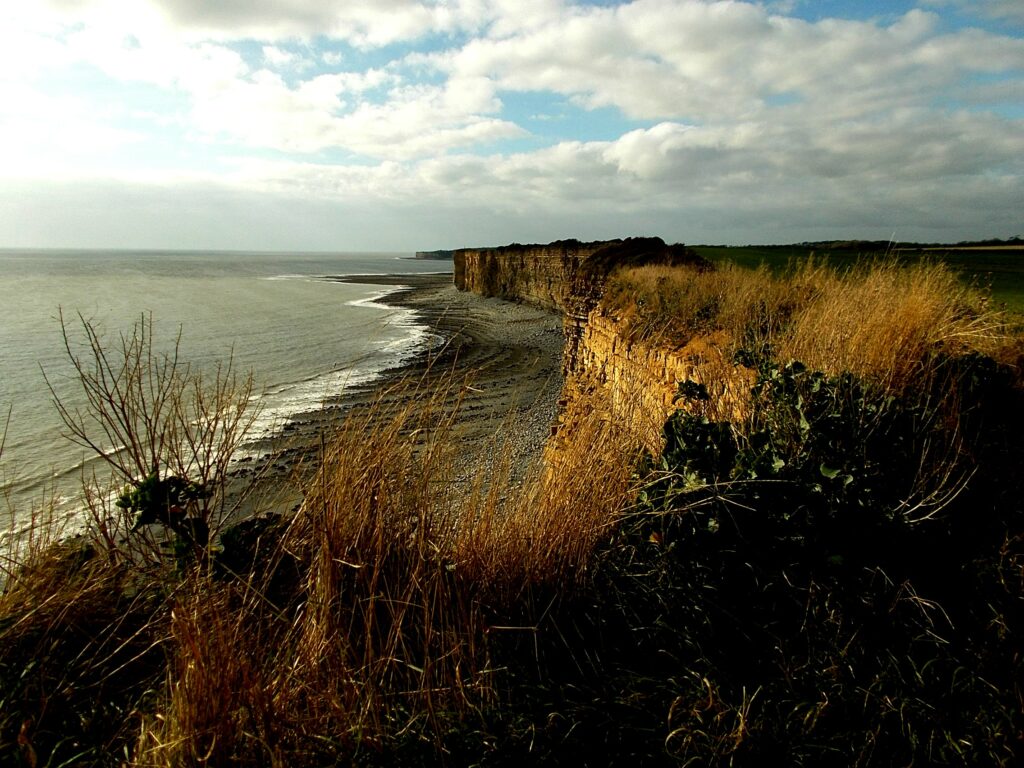
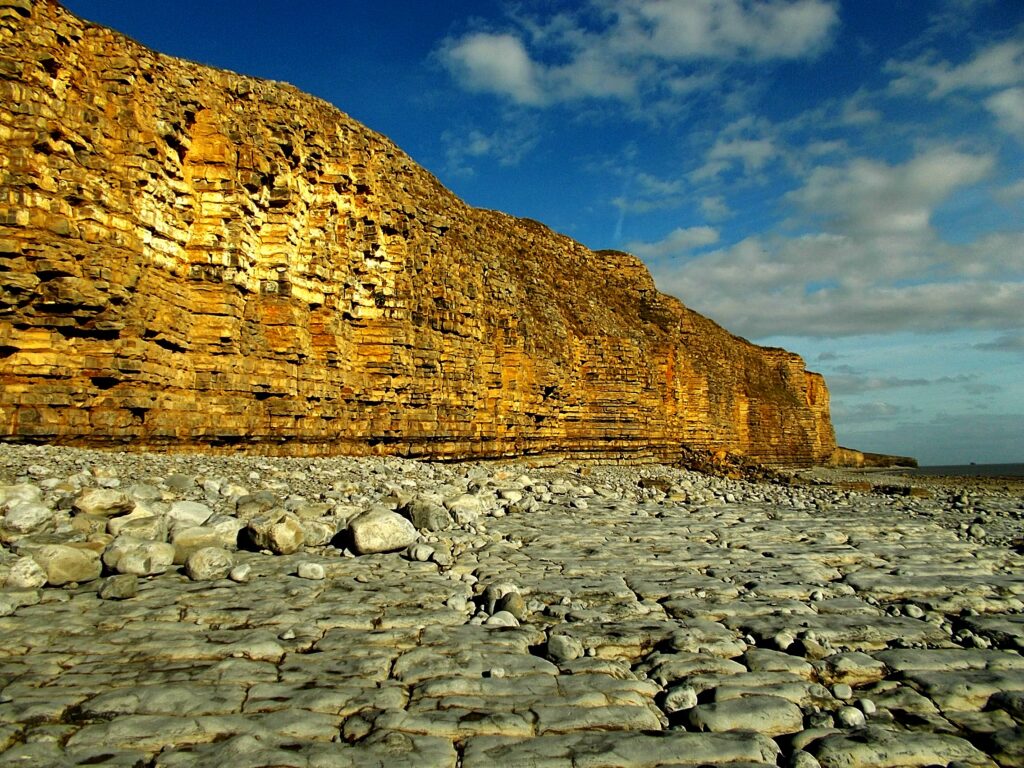
‘Meanwhile for drama with minimum effort, Llanilltud Fawr to Aberogwr is a spectacular walk largely atop an undulating clifftop plateau with less climbing than you might expect for such rocky theatre. These cliffs consisting of uplifted Triassic and Jurassic rock which is rare in Cymru, have a tendency to topple, leaving exposed rock the colour of honeycomb, and rubble like bombed cathedrals, fossils and the occasional dinosaur on the beaches. The views are expansive, the walk remote, and the wooded valleys strange unexpected islands of wildlife. Perhaps I’ve been lucky but late light here on each occasion I’ve visited has been an other-worldly chiaroscuro.’
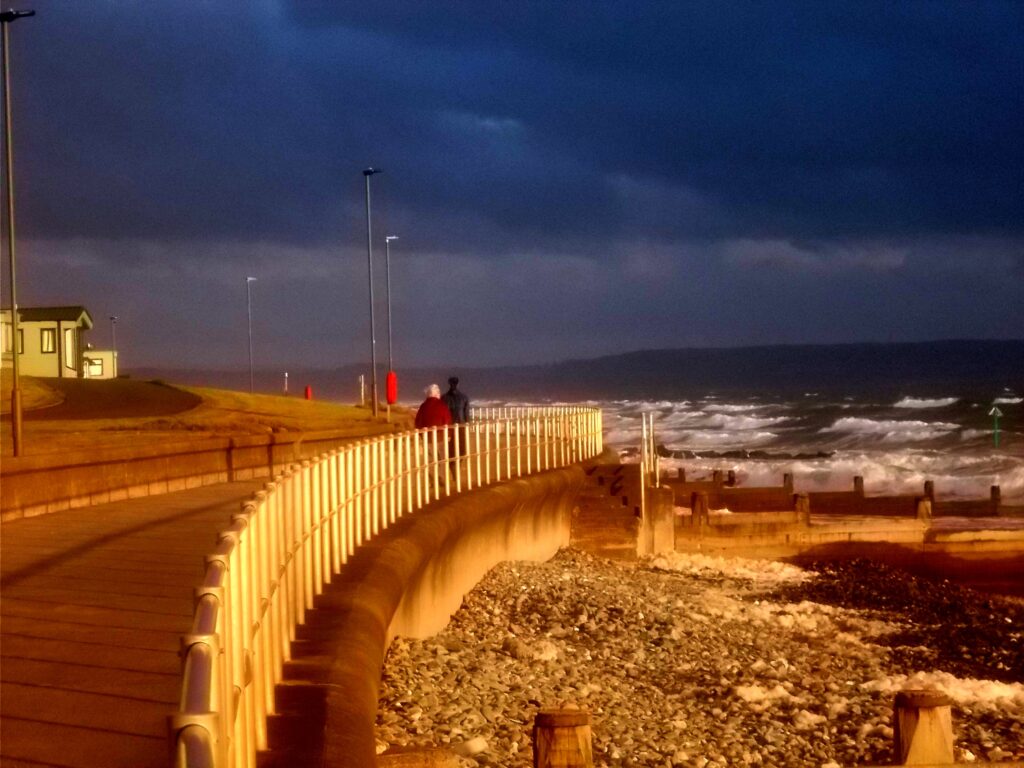
‘A few precious (or should I say precious few) parts of the coast are accessible for all. The Millennium Coastal Park at Llanelli, in essence a well-designed modern promenade, is a glorious landscaped swirl incorporating wildflower planting, ponds and new woodlands. Meanwhile the promenade at Tywyn though old-school in its ruler-straightness is no less accessible. Much of my childhood was spent on Tywyn prom, whose salt-sticky handrail is as familiar to my skin as the foam creaming up the beach like a Guinness top. A stretch of coast path at Aberporth is also noteworthy – whilst only a mile long, it is fully wheelchair accessible giving users access to a lofty vantage point over the bay.
Walking to me, is opportunity to think, breathe, gain perspective. Yet often I feel it is perceived as a radical act. It seems I don’t ‘go for a walk’ in the expected way. I’m not mad about kit and dislike guidebooks, am not very good at directions and enjoy not knowing much where I am. Furthermore I don’t drive and I’m glad. For me, something is lost by driving some place to have a walk. Walking to me is less pastime more intrinsic, and it never ceases to puzzle me that to engage in the oldest and most reliable way of travelling can cause people so much surprise!’
Real Dorset by Jon Woolcott
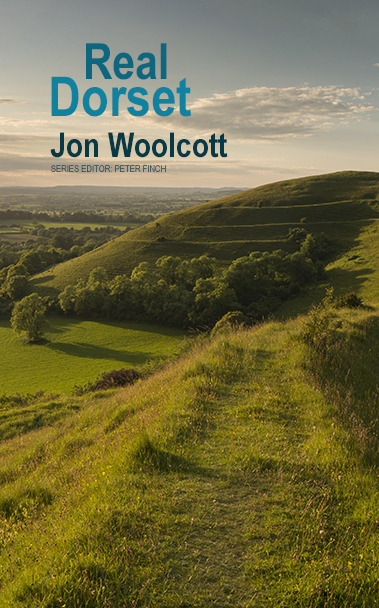
Real Dorset is the latest addition to the Seren Real Series of psychogeographic guides. Whilst writing the book, Jon Woolcott explored much of the county on foot and suggests visiting these note-worthy places.
‘At events for Real Dorset, I’m always asked to name my favourite place in Dorset, or sometimes a favourite walk. It’s like picking your favourite child. Each time I choose a different place. Variety is Dorset’s wonder, from the high chalklands of Cranborne Chase to the flat clay of Blackmore to the folded valleys of the west. But my (new) favourite walk is where the land drops swiftly to the sea, around the Valley of the Stones in the south.
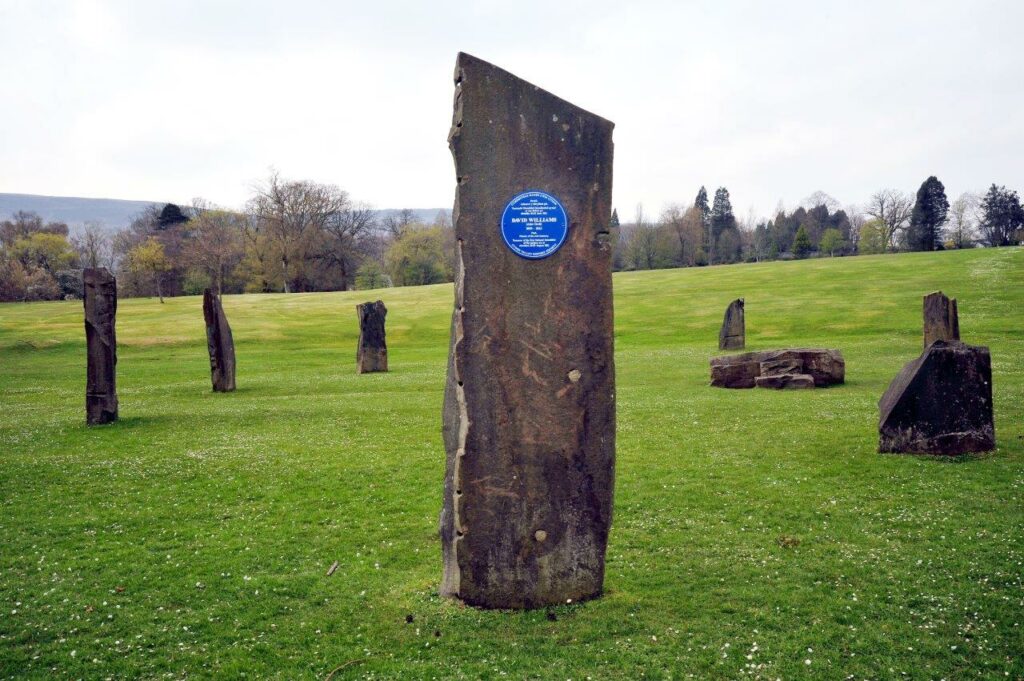
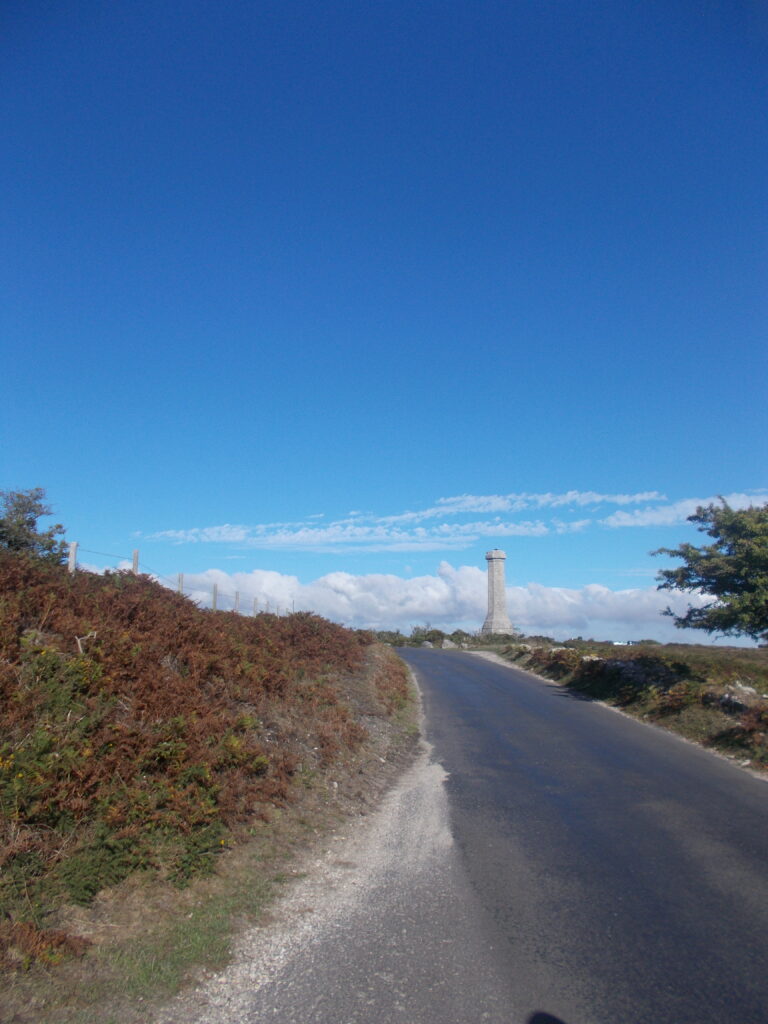
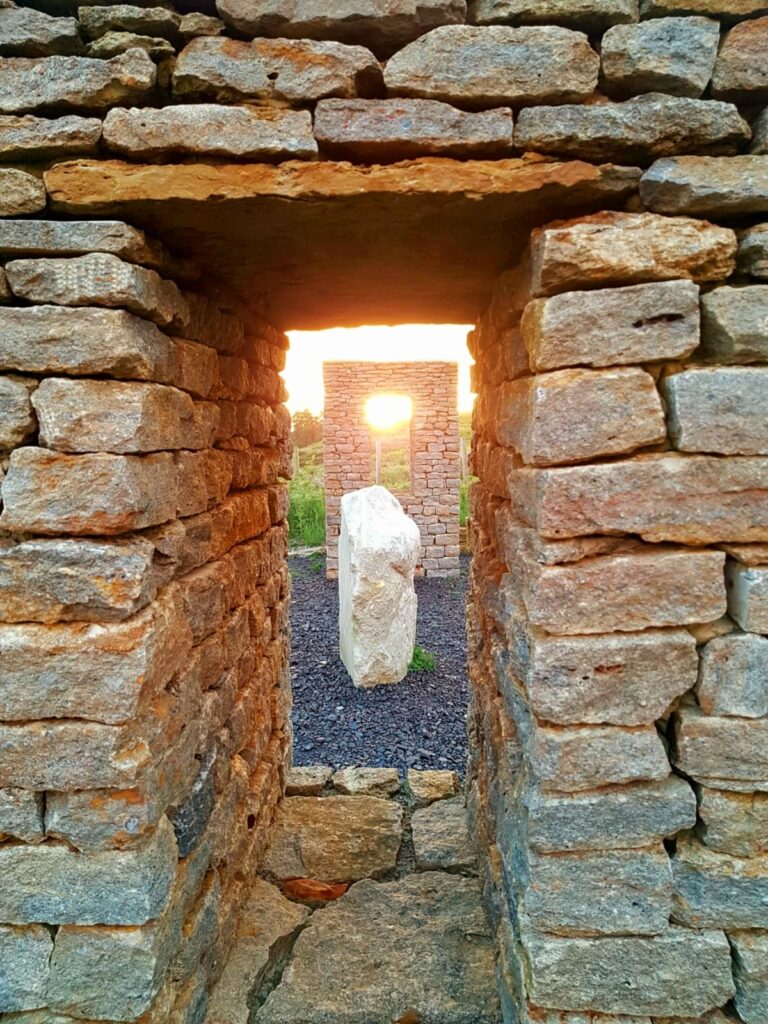
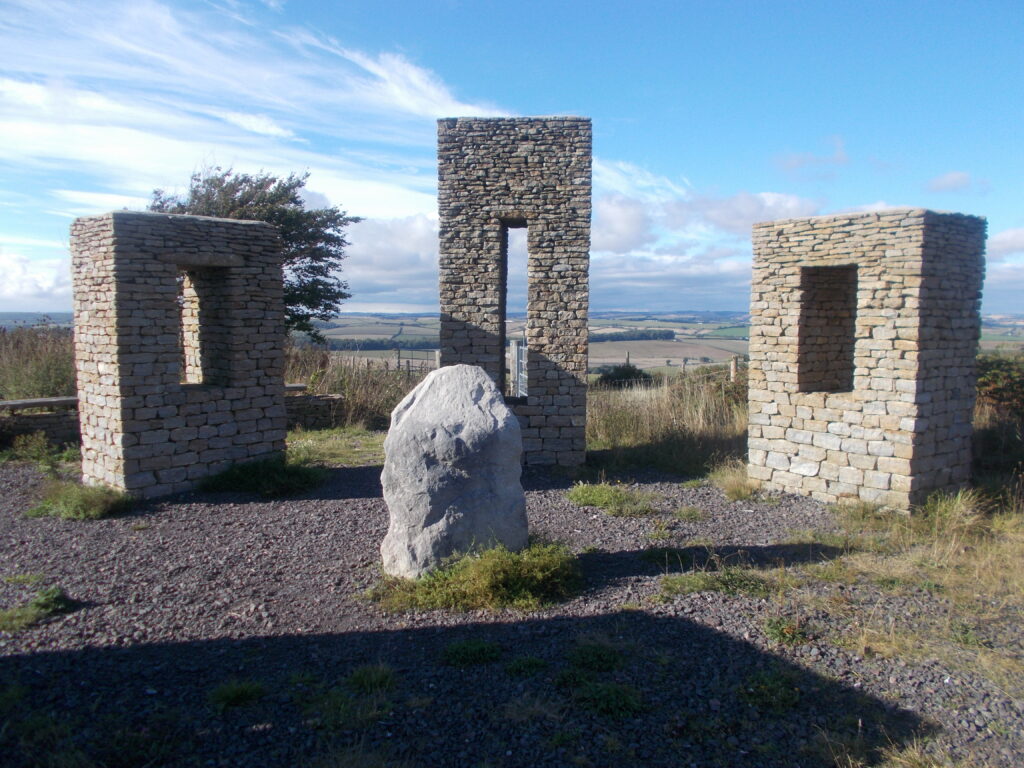
Dorset has few stone circles or dolmens – but most are gathered together around the Valley of the Stones, an ancient natural quarry formed by glaciation from which the stones for the monuments were dragged. These are all easily accessed from the South Dorset Ridgeway, which some have speculated was once a processional route between the megaliths. Walking from the sensationally ugly Hardy Monument, built for Nelson’s captain (‘Kiss Me Hardy’) you can find The Hellstone, a dolmen dramatically reconstructed by the Victorians, The Grey Mare and her Colts, a long barrow covered mostly now by earth, and the remote Kingston Russell Stone Circle. Close to the Hardy Monument itself, is a new stone circle, built only in 2018 and which aligns to the midsummer sunrise. Aside from the stones, the views are magnificent and the walking generally easy and flat. Take a sandwich, watch the stones, feel the ancient power.
Map: OS Explorer OL15 (Purbeck and South Dorset). By car: park in the National Trust car park at the Hardy Monument. By public transport: First Bus run services along the coast which stop at Portesham.’
Edging the City by Peter Finch
If you’re still hungry for some walks but fancy yourself more of an urban explorer, check out these suggestions from Peter Finch. During lockdown, he decided to walk to Cardiff border, as Covid restrictions confined people to staying within their local authority. As shown in his book Edging the City, walking the city’s edge allowed Finch to view it as never before, and you can too on these routes.
‘The Peterstone Gout Diversion Peterstone Wentloog to the Gout and back (via the golf club)
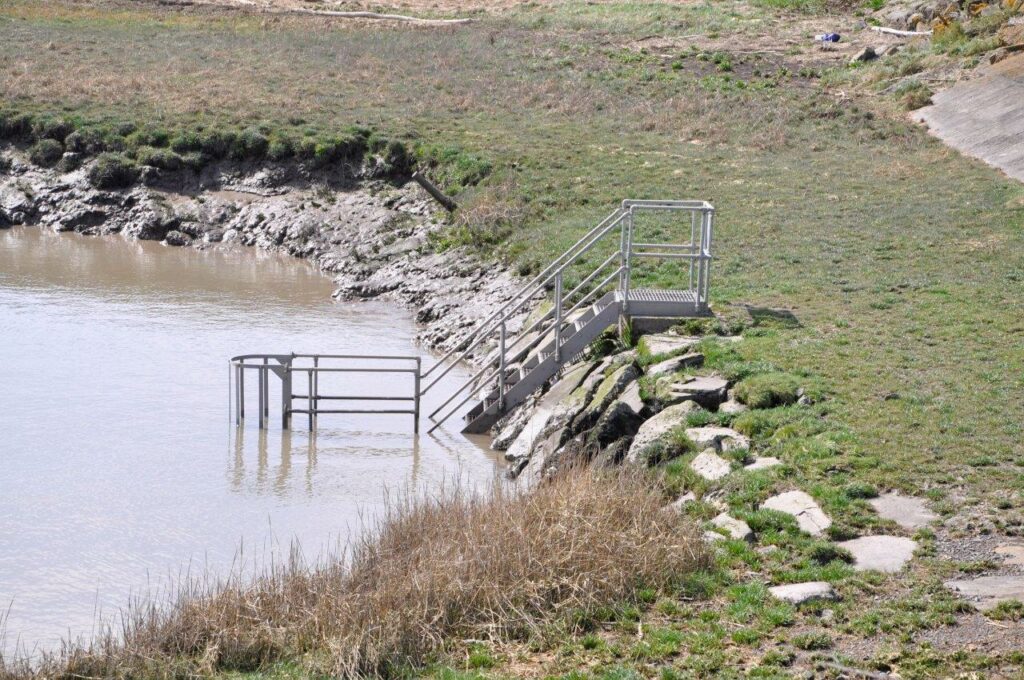
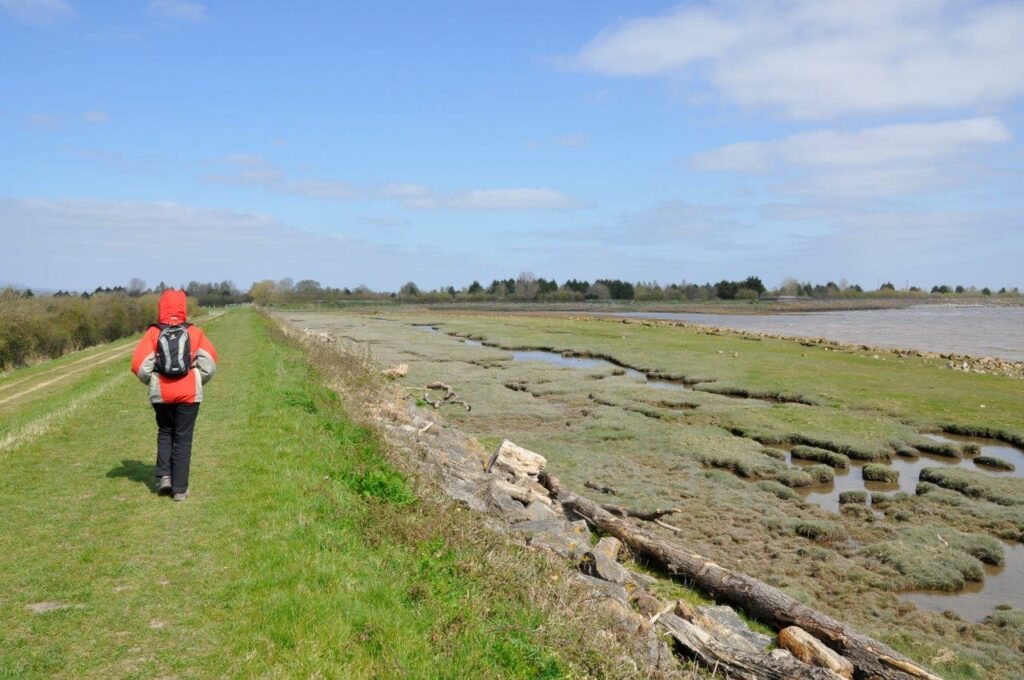
An easy circular three mile ramble on Cardiff’s weirdly flat out of this world coast land. Pills, drainage reens, sea-operated sluices, the remains of a medieval harbour, site of the great flood of 1607 and a golf club that will let non-members into the clubhouse.’
Graig Llysfaen
‘Breath-taking views from this slide along Cardiff’s protecting ridge. Start at the Ty Mawr, take in a cold war communications tower, Cardiff’s most northerly extremity in a farmer’s field and the magnificent trees of the Coed Coesau Whips. Start at the Ty Mawr and finish at the Maenllwyd Inn.’
We hoped you enjoy exploring the walks suggested by our authors. If you end up following one, remember to tag us in on social media @SerenBooks. Happy National Walking Month!
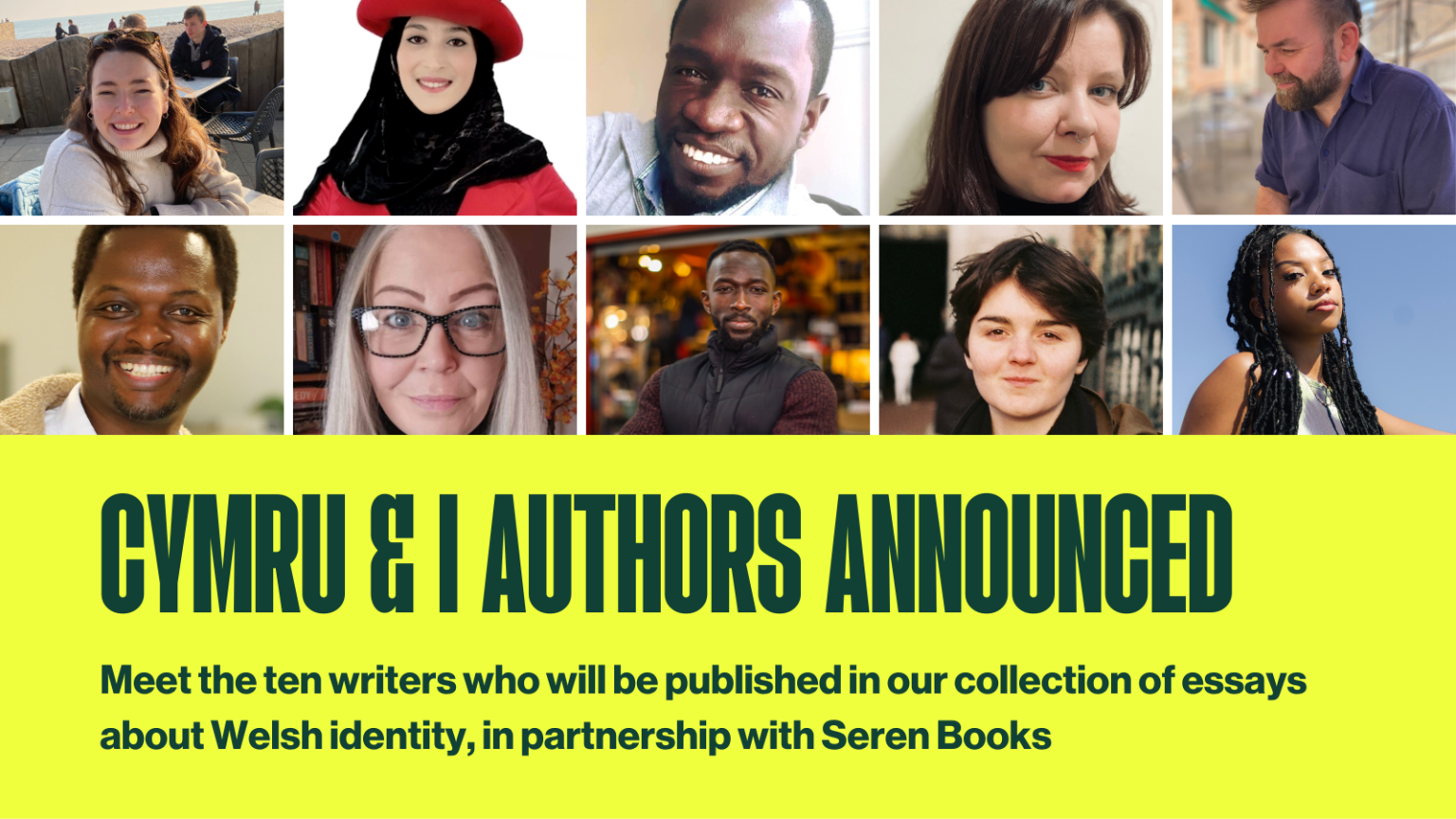
Later this year we’re publishing Cymru and I in partnership with Inclusive Journalism Cymru, a book of essays exploring Welsh identity. Now we are delighted to announce the nine contributors to the book.
Following the call for submissions, the editors at Inclusive Journalism Cymru were overwhelmed by the rich, diverse mix of stories received, and quality of the submissions. Choosing just ten final pieces was incredibly tough and in the end, it came down to curating the right mix of themes, making sure the book flowed and that a variety of identities were showcased.
The ten authors are Alys Roberts, Anthony Shapland, Bethany Mcaulay, Debowale Omole, Gosia Buzzanca, Kelechi Ronald Ikpe, Laura Mochan, Mo Jannah and Tia-zakura Camilleri. Each demonstrated a unique take on Welshness, shone a light on the multitude of influences and contradictions that make up national identity, and pitched their ideas eloquently and with flair.
Visit the Inclusive Journalism Cymru website to read introductions to each author and a brief outline of what their chapter will address. You can also read the article in Welsh.