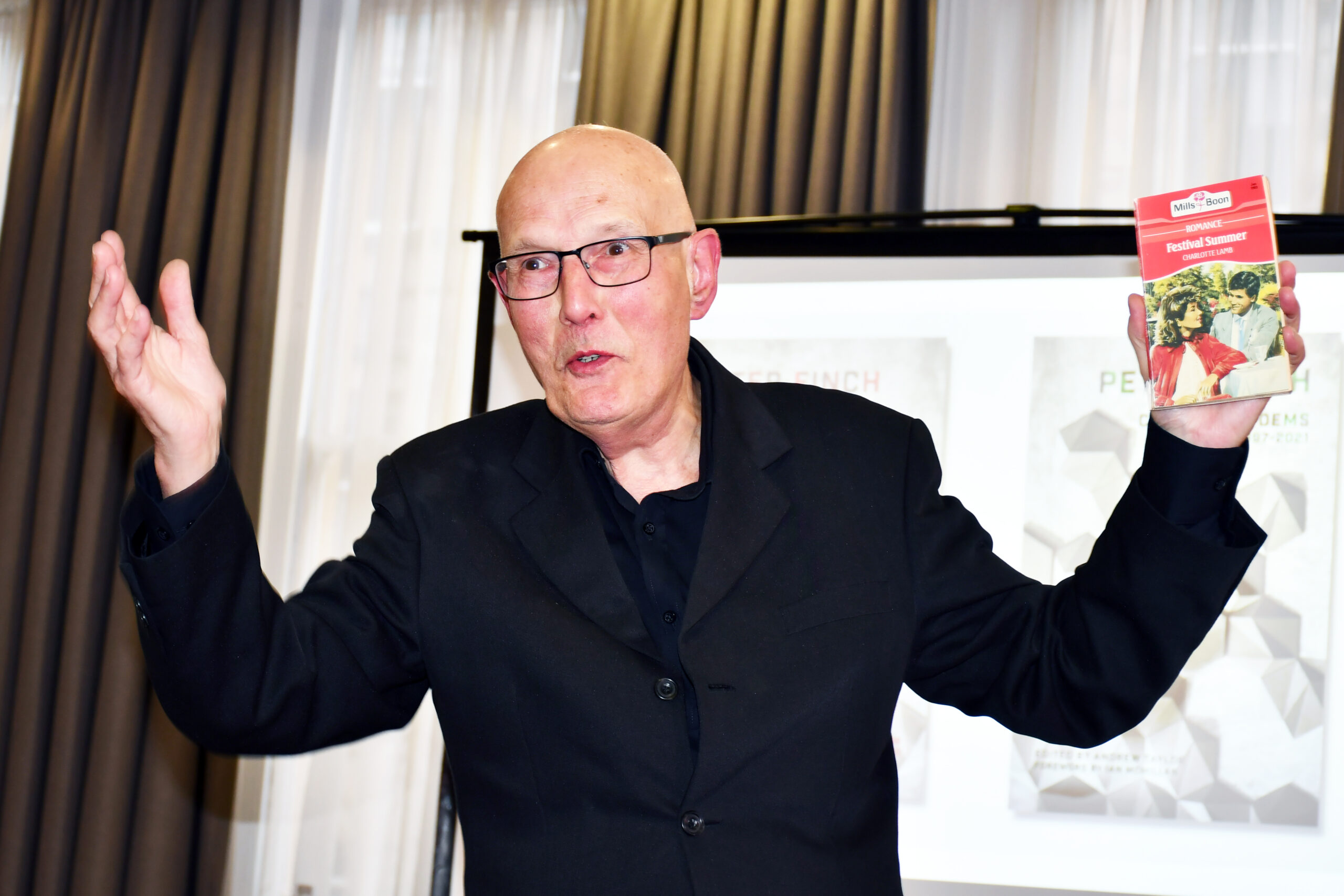
In today’s post, Cary Archard look back on Peter Finch’s career following publication of several recent books on his work.
Now with a two-volume Collected Poemsto his name and a monograph on his work, Peter Finch began his literary career in his twenties producing a poetry magazine on a Gestetner machine partly to publish his own verse. Second Aeon lasted from 1966 to 1975 and was Wales’ contribution to “the small press poetry revolution” sweeping swinging sixties Britain. What began as self-publishing, the first issue only included one other poet, by the time of the last bumper issue (268 pages in 1974) Second Aeon had achieved an international reputation. Amongst the poets published were – on the ‘avant-garde’ side – Charles Bukowski, Bob Cobbing, Jeff Nuttall and Chris Torrance, but there were also, among the more ‘traditional’ shall we say, poets such as Dannie Abse, Peter Redgrove, Edwin Morgan and J P Ward. The contributors are a roll call of the poets writing in that period. Remarkably, while editing the mag, Peter produced 75 other poetry publications. For this huge editorial work and massive contribution to the encouragement and dissemination of poetry in Wales, Peter Finch deserves a statue in Cathays Park in Cardiff. It would add life (another meaning of aeon) to those rather solemn Victorian civic figures in front of the National Museum.
The story of Second Aeon is told by Peter in Second Aeon: The International Poetry Avant-garde Meets the British Revival 1966-1975. For a detail history of Peter’s writing career, see his recent published memoir The Literary Business (Parthian Books).
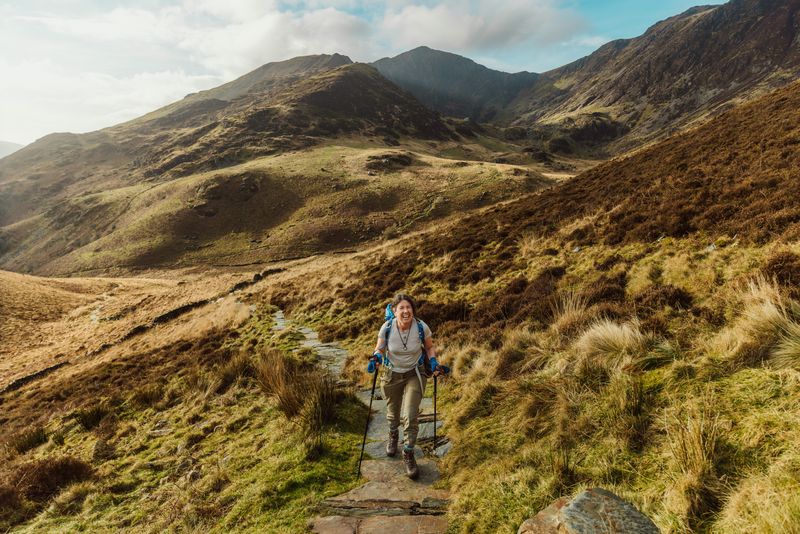
In today’s guest post, Julie Brominicks shares one of the stories she uncovered whilst researching her new book Cader Idris: Let the Mountain Speak. Whilst writing, she interviewed countless regular visitors to learn more about the mountain and what it means to them. As this story shows, our collective memory is a powerful tool in preserving stories of our landscapes. Buy the book to find out what else she learnt whilst getting to know this beautiful and important summit.
Cader Idris: The Summit Café and the Secret Spring
I happened to be interviewing the author Jon Gower the day I heard that Seren Books had accepted my proposal to write a book about Cader Idris. “I once met someone related to the family who ran a café on the top,” Jon said. This was astonishing news. What café?
Over subsequent months, as I accumulated Cader people, I asked them all about the café. A paraglider, runner, harpist. A Christmas-tree grower. Farmers and members of Mountain Rescue. I gathered sheep, crawled about with botanists, and helped re-build a drystone wall — but no-one remembered the café.
It didn’t matter. I had more than enough to write about and eventually I stopped asking, filing the summit café into a mental holding bay where it percolated with other mountain mysteries, like the spring at the top of Llwybr Madyn (the Fox’s Path). What spring? I hear you ask. What spring indeed.
An eighteenth-century guide called Richard Pugh had apparently used a spring at the top of Llwybr Madyn, to quench his clients’ thirst. And I kept coming across an oft-published diary entry made in 1871 by Francis Kilvert.
‘After leading me for a few steps, he began to go over what seemed to be the edge of a precipice…’ wrote Kilvert about his expedition with Richard Pugh. ‘Suddenly the old man stopped at a beautiful little spring in the almost perpendicular bank, pulled out his tumbler and gave me a draught of the clear sparkling water…’
Where was this delightful spring? I looked for it every time I scrambled up or slithered down Llwybr Madyn, but eventually parked it in my mind with the summit café, and that’s where both would have stayed if I’d not kept on meeting extraordinary people.
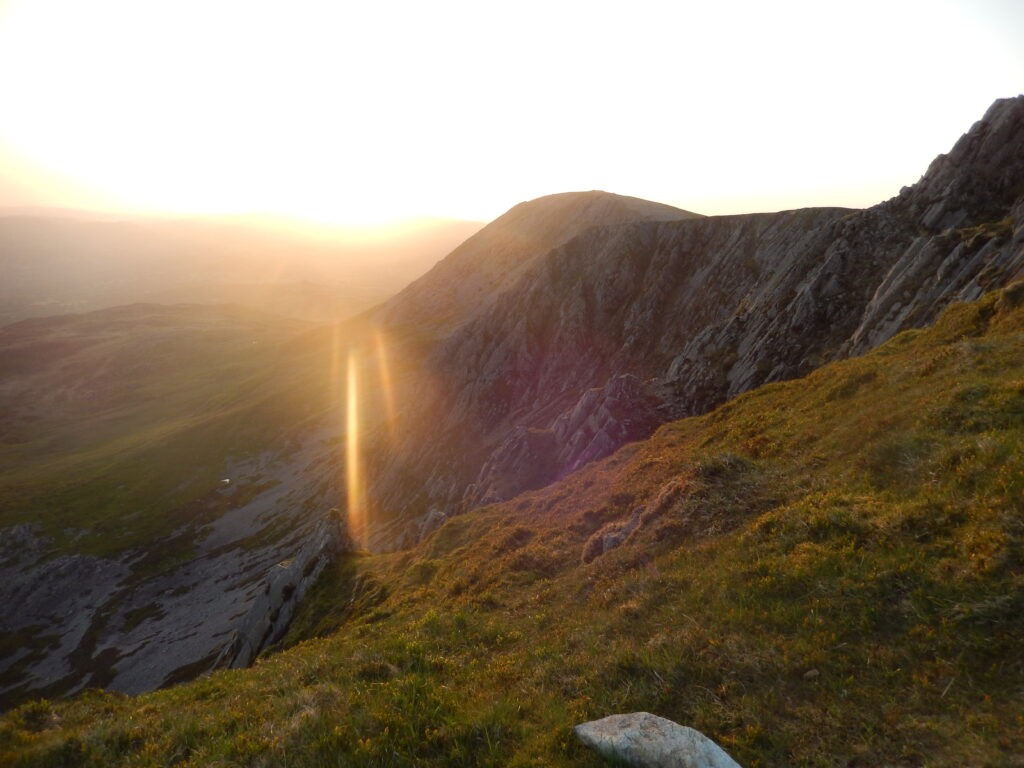
Possible site of the spring on Llwybr Madyn
Ninety-two-year-old botanist Arthur Chater, for example, who spoiled me with fancy biscuits at his home in Aberystwyth while waves smashed the jetty outside his window. Arthur poured tea while sharing his memories of studying plants on Cader Idris — and a childhood visit to the summit café with his parents. His father had complained about the price of tea, but his mother had been sympathetic. “Whisht!” she’d hushed him, in her Scottish accent. “If you’d had to carry everything up in your rucksack, you’d charge something like that too!”
And then there was Emyr Lewis, who regaled me with tales of trout in the mountain lakes, and scuffles with poachers on the rivers. “You should meet my friend Edwyn,” said Emyr. “His father used to run a café on the summit.”
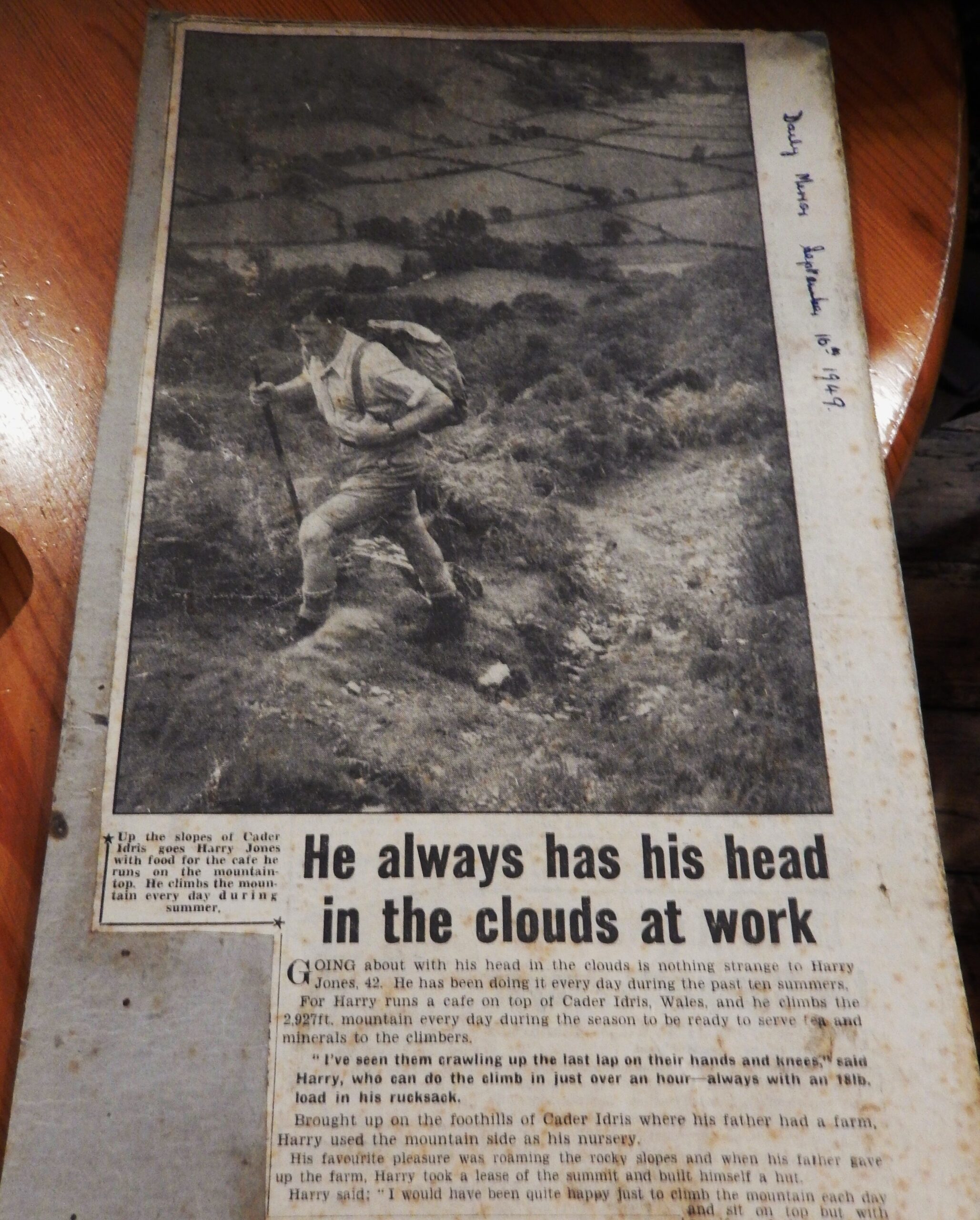
And so it was that I finally sat down with Edwyn Jones, over tea and cake in Dinas Mawddwy. After he and Emyr had recounted various childhood exploits from pig-killing to scrumping, Edwyn spread a sheaf of newspaper cuttings onto the table. They featured his father Harry Jones, who ran the summit café just before and after the Second World War.
“He used to walk up every day, and carry everything with him. Lemon squash, chocolate, tea, postcards. Even the water,” Edwyn ventured with a twinkle, but I knew better. “Did he not use the spring at the top of Llwybr Madyn?” I asked, while Edwyn wept with laughter and spluttered on his cake crumbs.
“The first thing he did on reaching the top, was fill the containers with water from the spring,” he said. “Then he covered the spring so everyone would think he’d carried the water up, and not mind paying double for their tea!”
Eventually the café closed, and in the 1960s, the building Harry had used for his café, (the same one Richard Pugh’s father had built to shelter visitors) was reconstructed by the council, in a slightly different position. You can still see the original fireplace, and Harry’s stoves no doubt, are still under the stones where he buried them.
And the spring? Edwyn told me exactly where it was but a damp patch was all I found. I could have missed it — I am easily distracted by clouds or by ferns, or patterns cast by shifting winds on the lakes below. Anyhow, when I most needed one, at the end of a superhot hike, I discovered a different spring on the other side of the summit in a clatter of scree. Less lovely than the one described by Kilvert, but the water was cold and sweet.
Like memories, springs can shift over time, due to drought, or changes in earth or groundwater. And sometimes, like stories, they pop up when you need them.
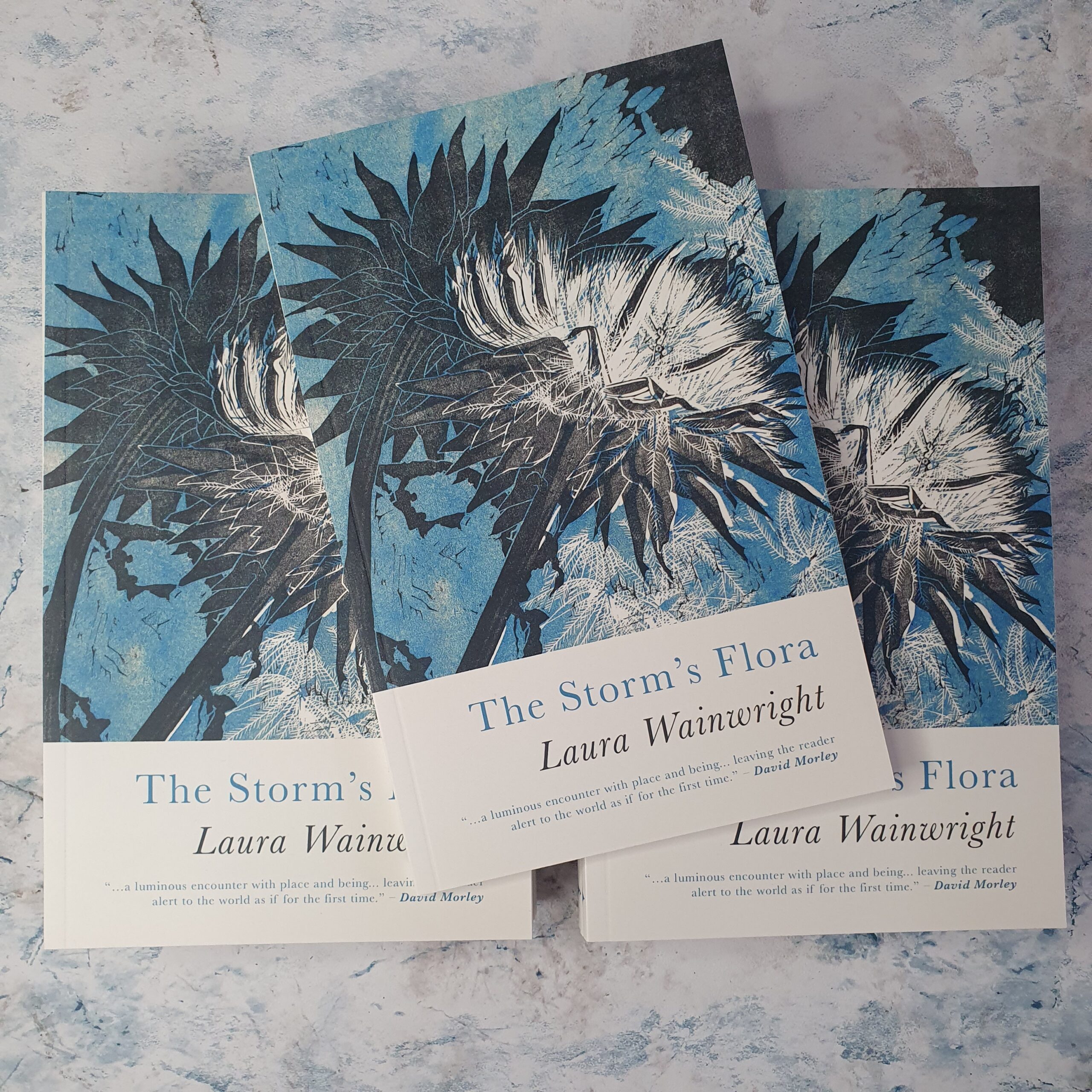
We’re delighted that Laura Wainwright’s debut collectionThe Storm’s Flora has received further recognition on the shortlist for the Laurel Prize.
Supported by poet laureate Simon Armitage and run by the Poetry School, the Laurel Prize celebrates collections of nature or environmental poetry which highlight the climate crisis and raise awareness of the challenges and potential solutions at this critical point in our planet’s life.
Speaking on the shortlist, the judges said:
“At their best, these poems bring together the art of nature and the nature of art, reminding us that the way we imagine the living world can change the way we live in it.” – David Morley, Chair
“Reading these poems over months, I felt the focus and urgency in collection after collection. The poets have not just honoured the subject matter, but marshalled language and form to find their own ways to speak of threatened ecologies and fragile social structures…” – Imtiaz Dharker, Poet
“At a time when connecting people with the natural world has never been more important, I believe these poems work to close the artificial distance we so often create between “human” and “nature”, instead making the living world something we are held inside of, answerable to, altered by, and utterly part of.” – Bethan Laughlin, Senior Policy Specialist at international conservation charity Zoological Society of London (ZSL)’
Laura is one of five shortlisted poets alongside Fiona Benson, Cathy Galvin, Brandon Kilbourne and Jane Lovell. The winner will be announced on the 27 September at an event at BBC Philharmonic Studio in Salford as part of BBC Contains Strong Language festival.
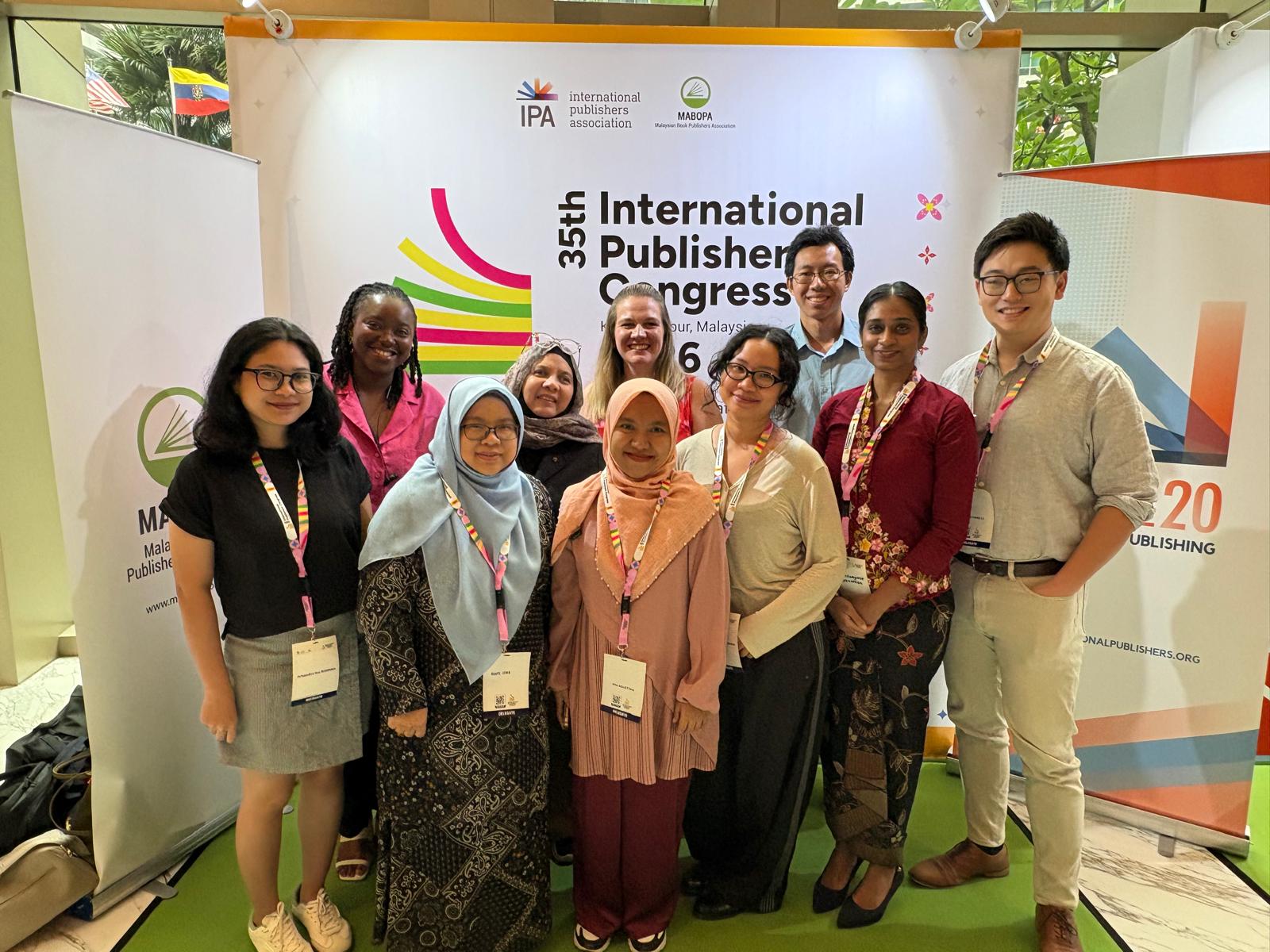
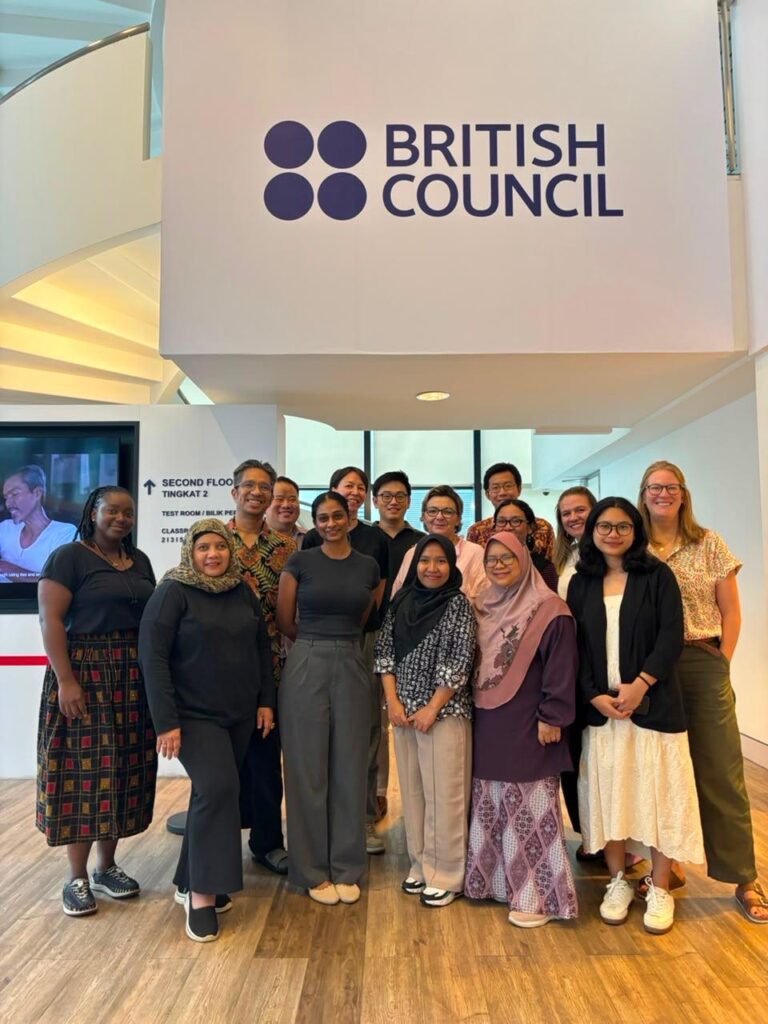
Earlier this year, our Deputy CEO Sarah Johnson was selected to attend the International Publishers Association Congress in Kulala Lumpur with a group of delegates from the British Council. In today’s guest post, she reflects on the experience which offered a valuable opportunity to network with the international publishing community.
Publishing Futures: 7 Inspiring Days in Kuala Lumpur
In July 2026, I was fortunate enough to be selected by the British Council as one of only three publishers from the UK to attend the International Publishers Association Congress in Kuala Lumpur. I’ll be honest, I nearly didn’t apply, struck for a moment by the ridiculous notion that I was too busy to go and couldn’t possibly spare the time. But then the email came through telling me I’d been selected – far from being the long shot I’d initially thought, I’d been given an opportunity, and I was determined to make the most of it.
I’ve always relished the chance to learn new things, especially when it relates to books or publishing. There’s nothing better than coming together with other likeminded individuals to talk about what we love, and the work we put in day in day out to produce books which motivate, engage and inspire readers. Not only that, I was looking forward to representing Welsh publishing on the international stage.
What stands out when I think back on this trip, is the interesting, varied and passionate discussions I had with everyone I met. On day one, the British Council group, made up of publishers from the UK, Malaysia and Indonesia, came together to talk about our markets and the challenges and opportunities we confront on a daily basis. As well as offering my first introduction to South East Asian markets, these sessions shifted my perspective on the UK industry, particularly when thinking about freedom to publish and the nuances of censorship. At the same time, it was comforting to be reminded of our many shared experiences, with each of us battling issues such as cash flow, low retail price ceilings and increased production costs. The open discussions we engaged in on this day set the tone for the rest of the programme.
Before the IPA Congress officially began, we were invited to join a bookshop tour. The first stop was Raja Tun Uda Library (Selangor State Public Library), an inviting, state-of-the-art facility embedded in the local community with spaces that encouraged creative expression, skills development and improved access to books. Later in the day we visited The Library by BookXcess, and I was fortunate to meet the founder, Andrew Yap, that evening who explained the concept behind the store which sells predominantly remainder stock. Designed to appeal to everyone, not only ‘book readers’, it hosts a café, a fashion store, a bakery and operates as a 24/7 library for students at Sunway University. Users of this multi-functional space are surrounded by books which are on offer at affordable prices, and often, they buy one before they leave.
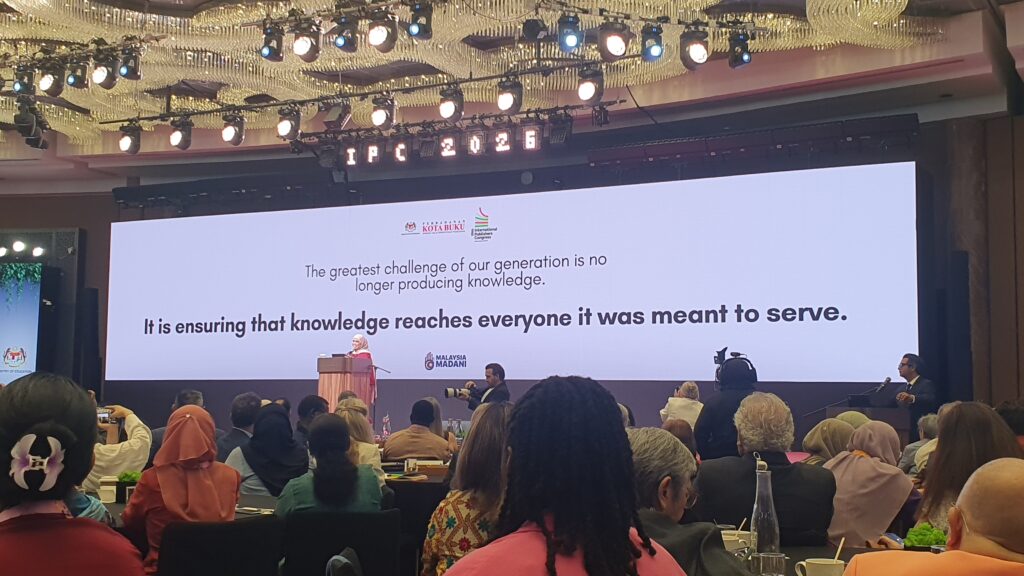
This subtle shift in mind-set sends a powerful message to the industry; one picked up in talks during the IPA Congress in the following days. ‘As an industry, we’re very good at talking to avid readers’ said Anna Burkley, CEO of Australia Reads in a session on Reading Habits. ‘We need to get better at marketing to everyone else’. How else are we going to combat the decline in reading for pleasure?
One of the sessions I found most inspiring was Adibah Omar’s talk on Building National Reading Infrastructure. As CEO of Malaysia’s Book City Corporation, she works closely with the Malaysian Government, publishers and the wider book industry to improve access to books for readers of all ages. This includes offering vouchers to school children to spend on any book they want and investing in technology that supports readers of Braille. She talked about knowledge as infrastructure; something vital to society which travels further than privilege. Creating readers through better access, creates markets – this is not a revolutionary idea, but it’s one that’s easily overlooked within the daily grind. I hope to continue this conversation now that the congress has ended.
In his closing keynote, Markus Dohle encouraged us to be more positive as an industry. We’d talked a lot about what threatens us – AI, the global decline in literacy levels – but he reminded us that we’ve faced seemingly insurmountable challenges before and have emerged stronger. Perhaps this is why I came away from this trip feeling ultimately hopeful. My fellow delegates and I were selected to be there, in part, because we represent the future of our industry. These threats, and their solutions, will undoubtedly impact our careers, so what are we going to do about it?
I don’t have the answer right now, but I’m determined to use everything I learned to make a positive impact. And in the meantime, here’s what I’ll be reminding myself more often:
Never be afraid to go for the opportunity – someone has to be chosen, why not you?
Networking with others who share your passion is never as hard as you think!
Creating more readers is vital to the future of our industry.
Remember to look up once in a while and remind yourself that the work you’re doing and the books you help produce, have the power to change lives.
Sarah Johnson Deputy CEO & Head of Marketing & Sales
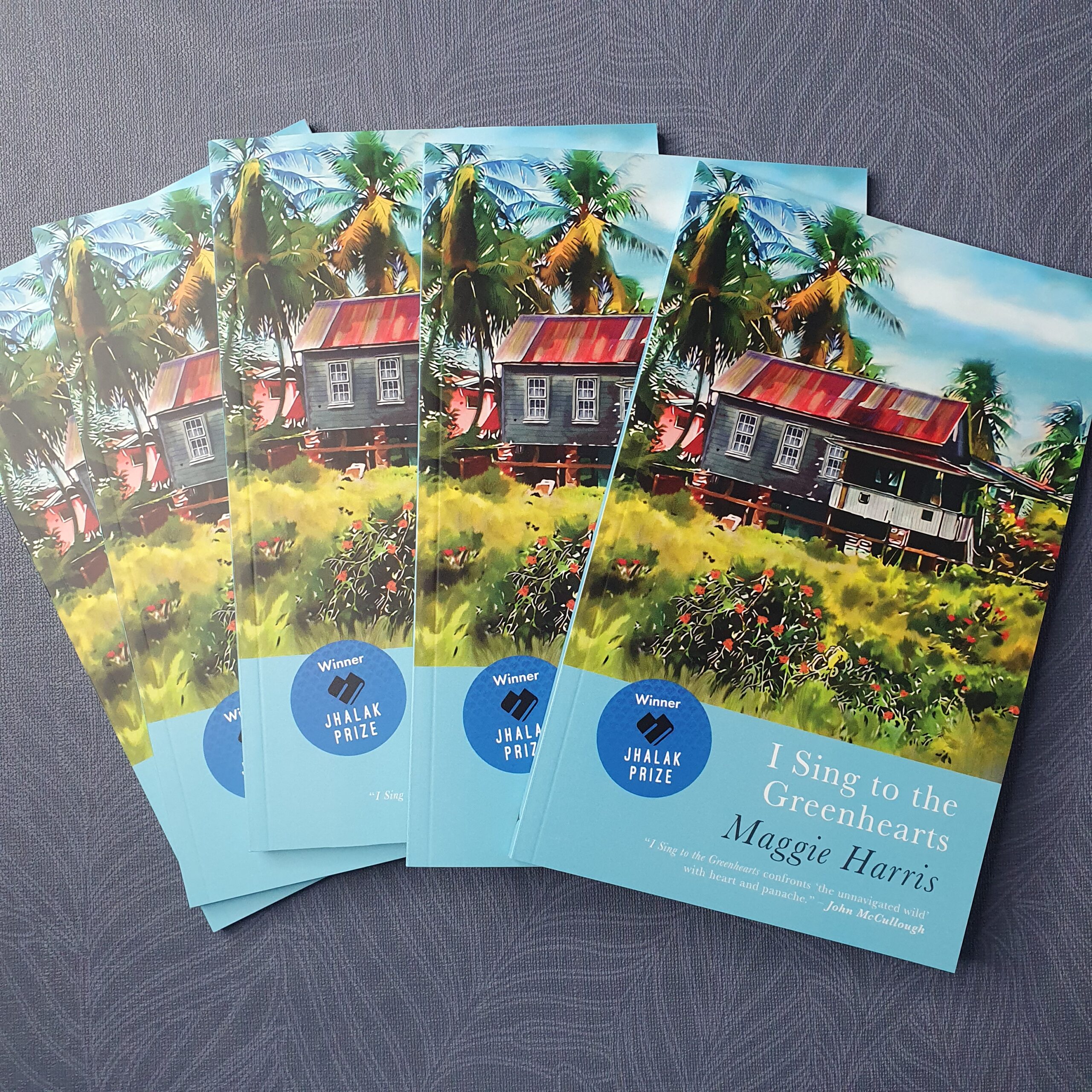
Maggie Harris continues her winning streak having been announced as the winner of the 2025 Poetry Award in the Guyana Prize for Literature, announced during a ceremony at the 2026 Guyana Prize Literary Festival.
The jury of the poetry category hailed Maggie’s winning collectionI Sing to the Greenhearts as an “…accomplished and enchanting collection of deeply lived and deeply felt poems [that] reflects on the poet’s connections to Guyana both as a place of memory and of contemporary encounter with tender knowingness and an extraordinary authenticity of voice”.
The news comes weeks after Maggie was crowned winner of the Jhalak Poetry Prize. Her award-winning collection is available here on our website and from your local bookshop.
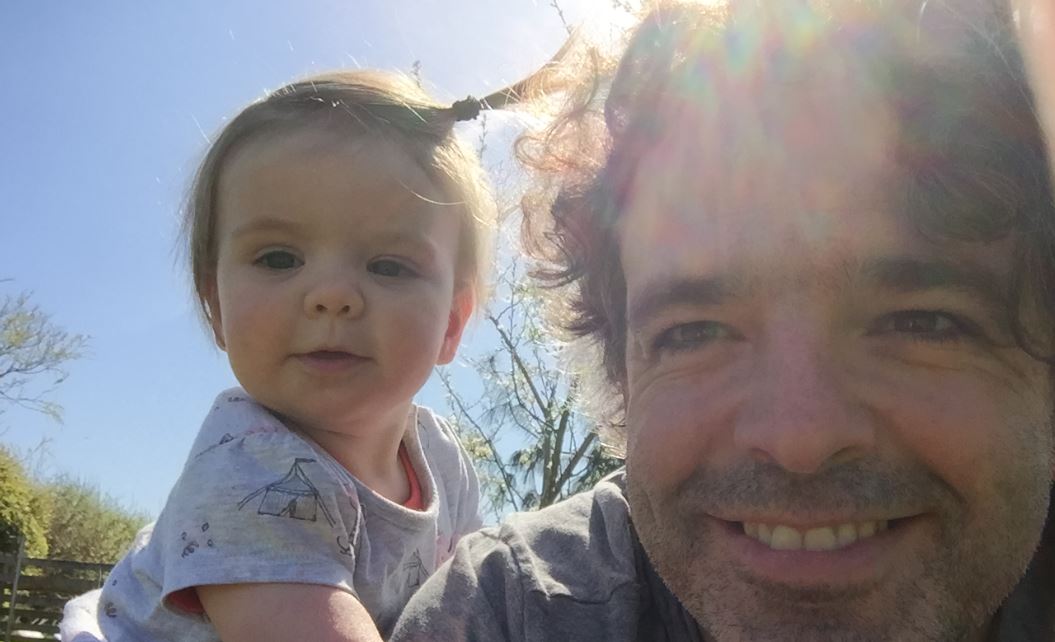
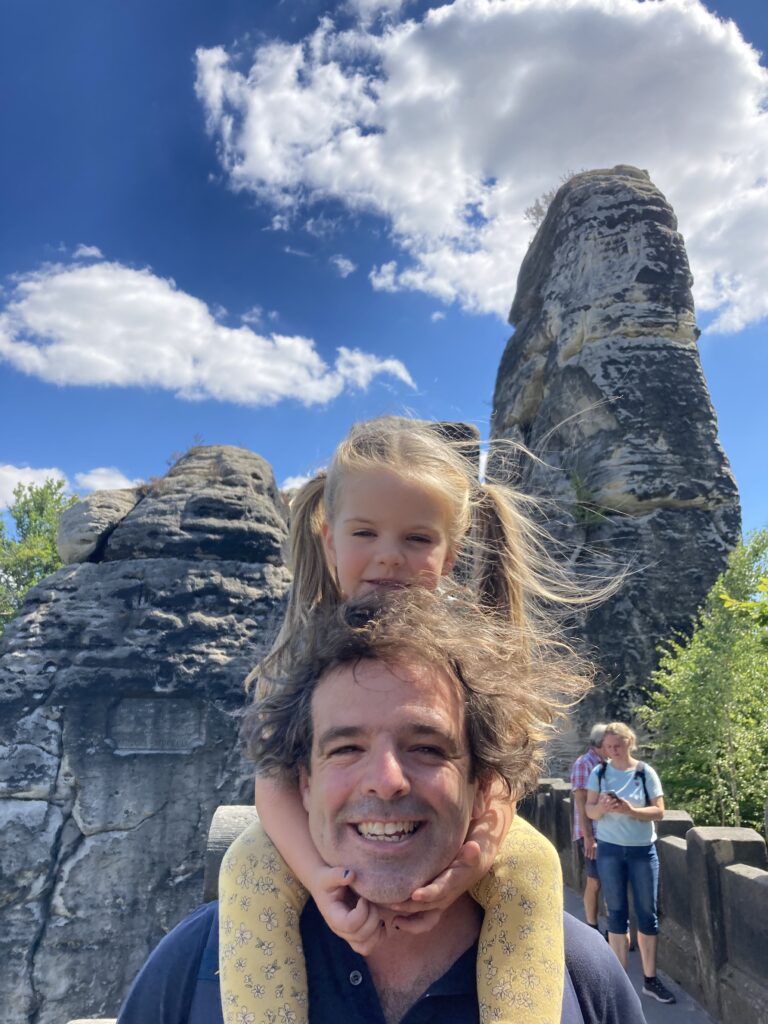
In this guest post, Eoghan Walls reflects on the process of writing his new poetry collection Elsa and the Wolfman, which explores the profound, playful bond between father and daughter.
Writing Elsa & The Wolfman, A Wild Fling of Empathy
We had kids in our early thirties. Two beautiful hectic girls. Bare foot, on beaches. Jam sandwiches and broken glass. Laughter, anxiety. Braiding everything. The house rustled with drawings.
Then – although we were not trying – a series of sad miscarriages.
As a third child, I had a superstitious hankering for a third child. But the miscarriages were painful and we grew cautious and did not expect any more children.
Then, in our forties, my wife told me she was pregnant again. We went to the ultrasound, expecting a blank screen and sorrow, and were overwhelmed to see a small moon face bobbing at the window.
I have written about fatherhood and daughters in all my books. I loved reading Antony Joseph on his own dad and Jack Underwood about tremulous expectation and Phillip Gross about the pain of fatherhood. Hannah Lowe on living with a child, Sharon Olds on her father. But there is so much of my own experience of fatherhood I have not seen echoed in other writers.
For example, how breastfeeding fills me with awe. My wife could transform pain and dryness into deep silent breathiness, a physical calm, sitting on our bed with the curtains half drawn or on a bench in a train station. I would watch from the doorway, or stood by the yellow line, like a shepherd at a manger before the dark mammalian peace they shared, a power I lacked. My awe was a braid of envy, of wonder, of alienation.
Or pain. When my child got hurt – nettles or concrete mostly, some horrible sicknesses also – their eyes would blame me; but often, I was the only source of comfort near. So they would reach to be lifted and soothed, knowing I was the villain, too slow, too inattentive or incompetent to have prevented harm. The wet swirl in their eyes –recrimination actively quashed in the need for comfort – felt like an awful summons.
In my thirties, with my first kids, I was a University adjunct. I got two days unpaid paternity leave with my eldest two daughters. I tried to be a good dad – like to think I was – using my tenuous work schedule to spend time with the kids – but a life on tenuous wages means you are always looking over your shoulder for financial stability.
In my forties, with the new daughter, I got fourteen weeks paternity leave at full pay. It was a transformational blessing.
I could be at peace, take time off work, just me and the kid.
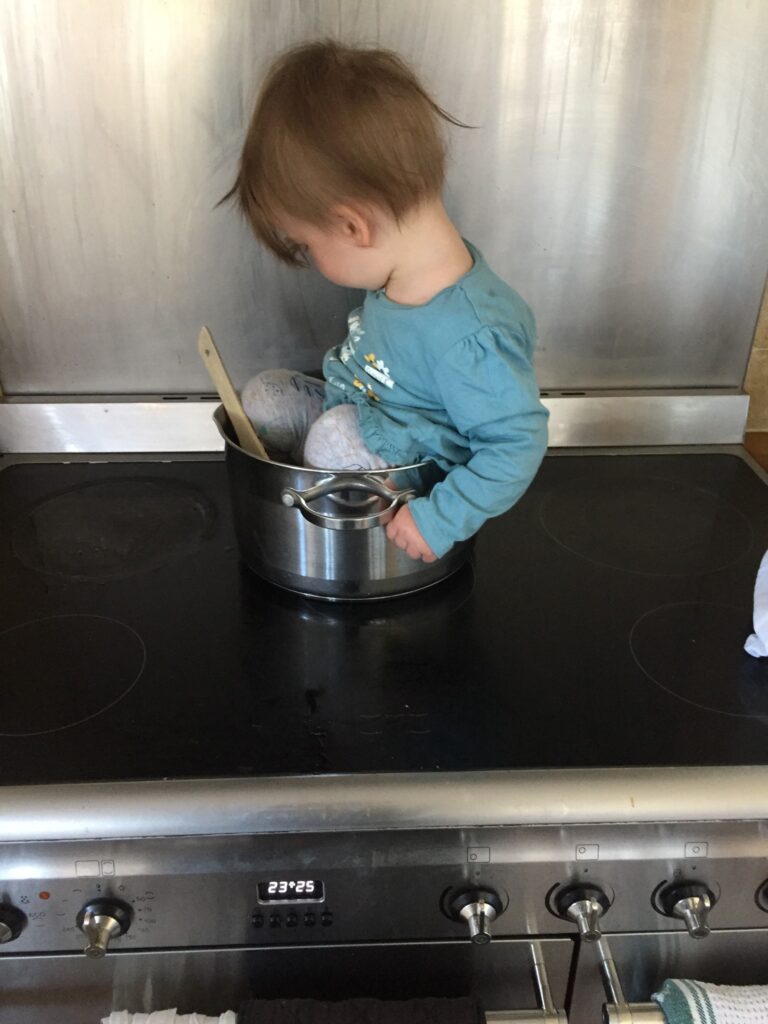
We played endlessly. First mostly with blocks or spoons. Washed carrots. Eventually, she became Elsa, spraying ice on everything. I became the Wolfman, a villain, constantly stealing food from her plate or her dolls’ plates.
I didn’t want my new poems to be just the voice of the Wolfman. I wanted to give Elsa a voice too, write Elsa poems. Of course I was afraid of appropriation here. But for fourteen weeks, that bled into covid, where no-one had childcare, where kids were always there, me and Elsa were as close as two beings could be. When she wasn’t strapped to me in a green canvas sling, I was feeding her. If not on my shoulders, she bounced on my knee as I typed. The Elsa poems here – child poems, falling disobedient and wild across the page – aren’t only my newest daughter. The poems are of course a braid of experiences, include my elder daughters, my own childhood, my experience of being an animal in the world too.
But – for a while at least – me and all my daughters existed as close as humans can be. Maybe not as close as a mother is – that’s fair. But close enough, I hope, that a wild fling of empathy might have the raw tune of truth about it.
We are delighted to announce that Laura Wainwright won the Wales Book of the Year English-language Poetry Award 2026 for her remarkable debut, The Storm’s Flora.
Laura’s collection is a powerful exploration of resilience in the face of ecological and human crises. Here, new life emerges from darkness and turmoil, and flourishes despite it. These poems offer awe-inspiring observations of the natural world rooted in the language, landscapes and histories of Wales. Told with musicality and an artist’s eye for detail,The Storm’s Flora celebrates the earth’s vivid beauty with flair and ingenuity.
Our Poetry Co-editor Zoë Brigley commented: “Laura’s poetry has long been admired in Wales and it is no surprise to me that her first book is a smash. Having already been shortlisted for the Seamus Heaney First Collection Poetry Prize and now winning the poetry category of Wales Book of the Year, Laura is just getting started and we cannot wait to see what she does next.”
Administered by Literature Wales, Wales Book of the Year champions inspiring literary talent from Wales in both English and Welsh. In both languages, prizes are awarded in four categories – Poetry, Fiction, Creative Non-Fiction and Children & Young People – with one of the four category winners in each language announced as overall winners, claiming the title of Wales Book of the Year / Llyfr y Flwyddyn. This year the overall awards went to Anthony Shapland for his debut novel, A Room Above a Shop (Granta) and Mererid Hopwood for her poetry collection Mae (Cyhoeddiadau Barddas).
The full list of winners from all categories in both languages can be found on the Literature Wales website.
You may have noticed changes here at Seren Books over the past few years. With the help of the many individuals and organisations we work with, we reflected on what kind of publisher we wanted to be and what it would take to get us there.
We want to publish literature which influences and reflects the complexities and realities of lives in contemporary Wales and the wider world. This has meant more proactively curating our lists and the creatives we work with to reach a broader readership. It has also meant scrutinising how we work, to make the greatest impact we can culturally, economically and for the publishing eco-system we operate within. So, to celebrate how far we’ve come since 2025, we’re sharing some of our key successes below.
Thank you to everyone who has supported us on our journey so far. We hope you’ll join us as we carry on!
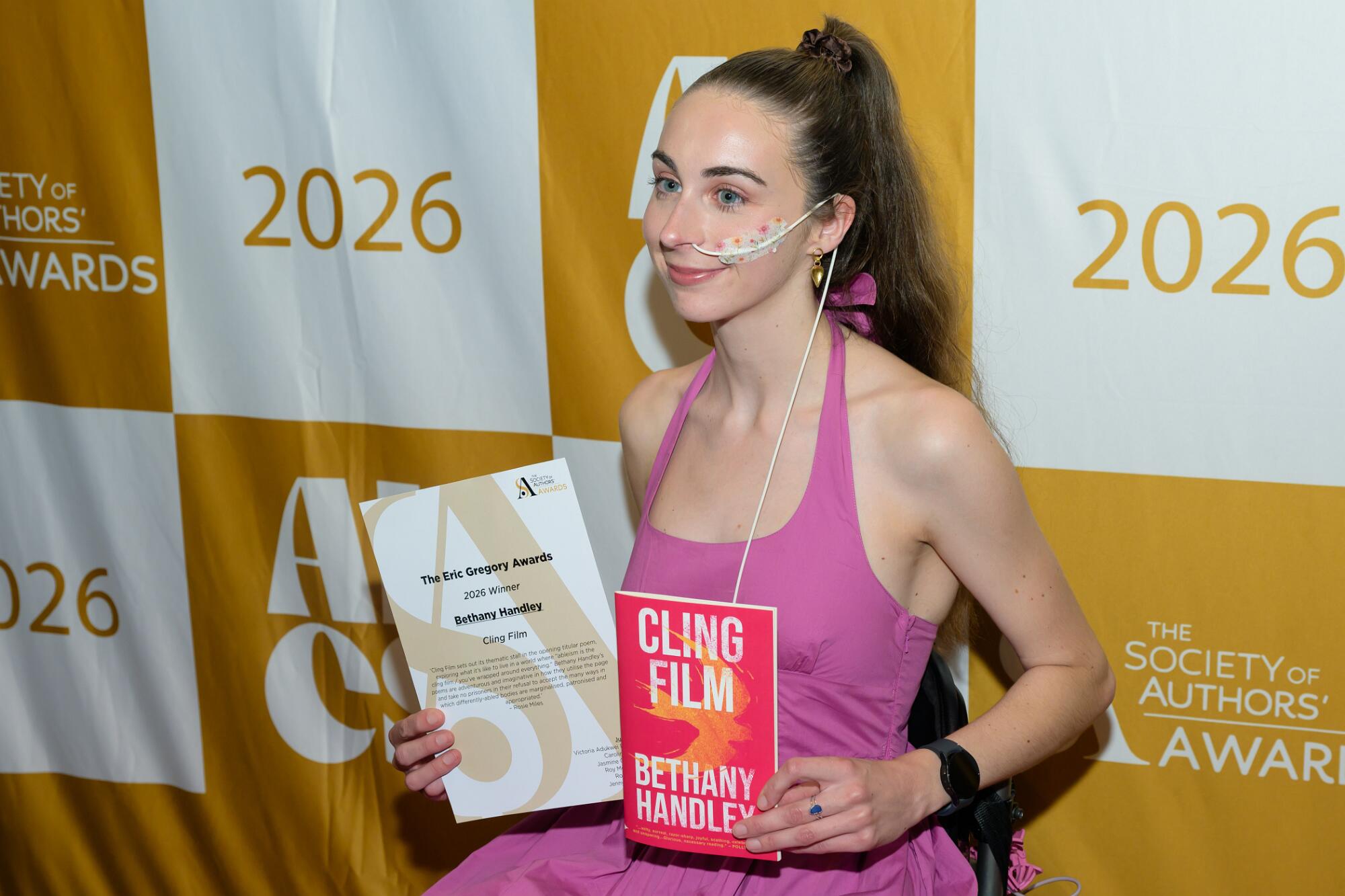
We’re delighted to share that Bethany Handley has won an Eric Gregory Award for her poetry pamphlet Cling Film, a prize awarded to outstanding collections by poets under 30.
Bethany is one of five 2026 winners for the prize which is administered by the Society of Authors. The awards were founded in 1960 by the late Dr Eric Gregory for the encouragement of young poets.
Speaking on this year’s winners, judge Jasmine Gardosi said: ‘Judging the Eric Gregory Awards this year has both sent me to other worlds and pulled me deeper into this one. We have read voices that range from snappy and lucid, to sparse and desolate, to mystical and fae-like in its lyricism. What has been consistent is the ability of each winner to make me pause at a line, to take a break in the middle of a poem, to mutter “wow” under my breath. I have been impressed by the risk-taking, the world-building, and the deftness with which these writers have done two things, at the same time: tell a story through their collection, and also hit the mark with each of their poems. Whether it be on trauma, on truth, on family, freedom, or loneliness – the writing of every single winner has hacked into my mind, and changed it.’
You can view the full list of winners on the Society of Authors website here.
Earlier this week, the winners of the 2026 Jhalak Prize Awards were announced, in which Maggie Harris was named winner of the Jhalak Poetry Prize for her collection I Sing to the Greenhearts.
Celebrating books by writers of colour in the UK and Ireland, the Jhalak Prize Awards celebrated their 10th anniversary at the ceremony which was held at the Hachette UK Headquarters. Maggie is only the second winner of the Jhalak Poetry Prize which was added in 2024. This year’s judges for the poetry prize were Romalyn Ante, Nikita Gill and Kadija (George) Sesay.
Of Maggie’s collection, Nikita Gill said: “Maggie Harris uses her powerful skills of reflection, craft and cadence to give us one of the most incisive, magical poetry collections of the decade.”
Seren Books poetry co-editors Zoë Brigley and Rhian Edwards add: “This vivid, powerful collection deserves this recognition. Where else but in Maggie Harris’ poems will we find a banana reading Louise Bennett’s ‘Colonisation in Reverse,’ or see Fanny Eaton, the Pre-Raphaelite Jamaican muse, step out of a painting and into her own power? We’re proud to have published it and of Maggie’s connection to Wales.”