Posted on

Recipe: Pancakes with blueberry compote and coconut cream

To celebrate Shrove Tuesday aka Pancake Day, we’re sharing this delicious recipe for pancakes with blueberry compote and coconut cream from The Seasonal Vegan by Sarah Philpott.

If you’re looking for an in-season alternative to blueberries, why not serve with stewed apple, rhubarb, or frozen blackberries?

The Seasonal Vegan is a kitchen diary of seasonal recipes with a delicious mixture of Sarah Philpott’s fine food writing and Manon Houston’s beautiful photography. This guide to eating with the seasons takes a realistic approach to shopping cheaply and sustainably and proves that the vegan lifestyle is anything but expensive.

Pancakes with blueberry compote and coconut cream

Under 20 minutes | Makes 2 large pancakes

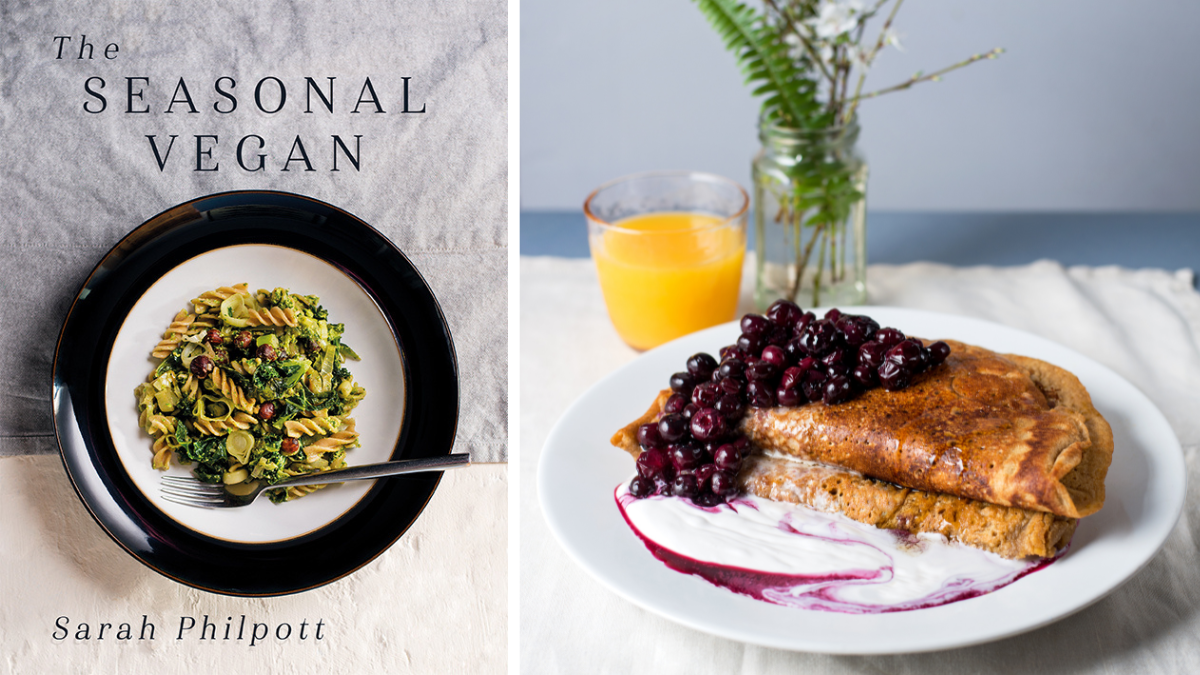
This photo shows a plate of large flat pancakes stacked up beside an inviting scoop of coconut cream and topped with blueberry compote.
Photograph by Manon Houston

Ingredients

– 160g chickpea/gram flour
– 1 ½ tsp baking powder
– 2 tbsp maple syrup
– 1 tsp cinnamon
– 200ml plant milk or water
– 2-3 tbsp oil
– Half a tin or packet of coconut cream

For the compote

– 200g fresh or frozen blueberries
– 45ml water
– 50g granulated sugar
–The juice of half a lemon
– 1 tsp vanilla extract

Mix the dry ingredients together and gradually add the water or milk and the maple syrup and stir until it has a thick, but pourable, consistency. Heat the oil in a non-stick pan over a medium heat (test if it’s hot enough by dropping in a tiny bit of batter – it should sizzle) then pour in half the batter and cook, flipping over occasionally, for 3-4 minutes. Repeat with the rest of the batter.

To make the compote, combine the blueberries, water, sugar, vanilla extract and lemon juice in a small saucepan. Cook over a medium heat for about 10-15 mins. Serve warm or cold.

Serve with the compote and coconut cream.

The Seasonal Vegan is available on the Seren website: £12.99

Create your free Seren account and enjoy 20% off every book you buy from us.

Looking for something a little more heartwarming? Why not try Sarah’s recipe for Beetroot & Hazelnut Soup also from The Seasonal Vegan.

Posted on

Sticky Toffee Pudding Day: A Recipe from The Seasonal Vegan

Sunday 23rd January is Sticky Toffee Pudding Day. As this month is also Veganuary, we wanted to re-share this indulgent Sticky Toffee Apple Pudding recipe from The Seasonal Vegan by Sarah Philpott. The perfect way to celebrate, especially when served with hot vanilla custard on a cold winter weekend.

The Seasonal Vegan is a kitchen diary of seasonal recipes with a delicious mixture of Sarah Philpott’s fine food writing and Manon Houston‘s beautiful photography. This guide to eating with the seasons takes a realistic approach to shopping cheaply and sustainably and proves that the vegan lifestyle is anything but expensive. Perfect for long-term vegans and novices alike.

Sticky Toffee Apple Pudding with Vanilla Custard

Photograph by Manon Houston

1 hour 30 minutes | Serves 8

Ingredients

For the pudding:

– 250g dates
– 100g soft brown sugar
– 100g vegan butter, plus extra for greasing
– 3 apples, grated
– 300g self-raising flour
– 2 tsp baking powder
– 2 tsp ground allspice
– A pinch of sea salt
– 1 tsp vanilla extract
– 1 tbsp treacle

For the sauce:

– 150g vegan butter, softened
– 350g dark muscovado sugar
– 1 tbsp black treacle
– 50ml oat milk
– 1 tsp vanilla extract
– A pinch of sea salt

For the custard:

– 1 litre oat milk
– 150g white sugar
– 2 tsp vanilla extract
– A pinch of sea salt
– 1 tbsp cornflour
– A pinch of turmeric (optional)

Preheat the oven to 180C. Put the dates in a bowl and pour over 250ml boiling water and leave for 10 minutes.

In a large bowl, cream the butter and sugar together. Tip in the flour, baking powder, grated apple, allspice and salt and stir well. Add the vanilla extract and treacle and stir again.

Lightly grease a large dish or tin and pour the batter in, making sure to spread evenly. Bake for 30-35 minutes, or until a cake tester comes out clean.

Meanwhile, make the sauce by melting the butter, muscovado sugar and treacle over a very low heat in a heavy-based saucepan. Once the butter is melted, stir gently until everything else is melted too. Now stir in the oat milk, vanilla extract and salt, then turn up the heat and when it’s bubbling and hot, take it off the heat.

Take the pudding out of the oven and leave to stand for 20–30 minutes. To make the custard, put the oat milk, vanilla, salt and sugar in a small saucepan and heat over a medium heat, stirring constantly. Add the cornflour and bring to the boil. Keep stirring until you have a thick consistency, then add the turmeric, if using.

Pour the toffee sauce over the pudding and cut into eight slices. Pour over the custard and serve.

The Seasonal Vegan is available on the Seren website: £12.99

Create your free Seren account and enjoy 20% off every book you buy from us.

Sarah talks us through her recipe for Beetroot and Hazelnut Soup

Posted on

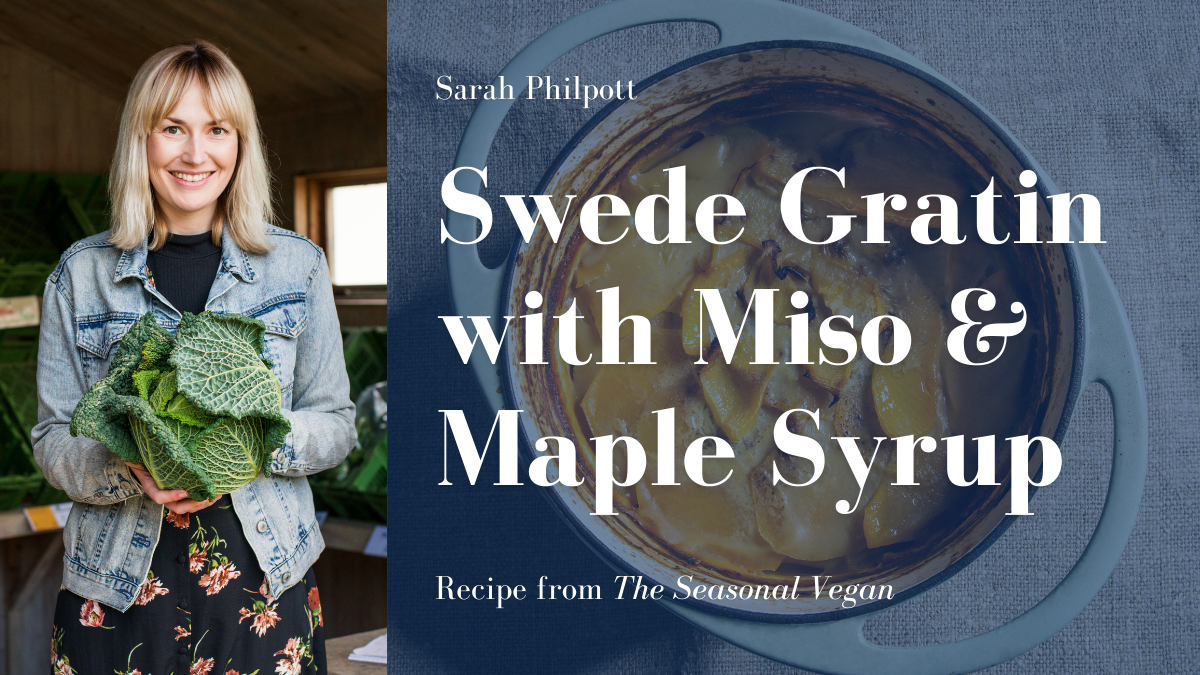
Recipe: Swede Gratin with Miso & Maple Syrup by Sarah Philpott

Are you trying Veganuary this year? The 70 simple but delicious recipes in The Seasonal Vegan by Sarah Philpott are a great introduction to a vegan diet and there are plenty of comforting dishes in the winter section to get you through the colder months like this hearty Swede Gratin with Miso & Maple Syrup.

The Seasonal Vegan is a kitchen diary of seasonal recipes with a delicious mixture of Sarah Philpott’s fine food writing and Manon Houston’s beautiful photography. This guide to eating with the seasons takes a realistic approach to shopping cheaply and sustainably and proves that the vegan lifestyle is anything but expensive.

Swede Gratin with Miso & Maple Syrup

1 hour 45 minutes

Serves 4-6

Photograph by Manon Houston

Ingredients

2 large swedes, peeled and sliced thinly, lengthways

2 tbsp rapeseed oil

2 garlic cloves, peeled and crushed

3 tbsp plain flour

A generous pinch of salt

500ml oat milk

250ml vegetable stock

1 tbsp apple cider vinegar

2 heaped tsp white miso paste

2 tbsp maple syrup

Salt and pepper

A grating of fresh nutmeg

First of all, make the sauce. Heat the oil in a large saucepan over a medium heat, then add the garlic and sauté for 2-3 minutes, until soft and translucent. Add the flour and salt and stir rapidly. Cook for a minute, then gradually add the plant milk and hot stock and stir through, then add the miso paste, maple syrup and vinegar. Cook for another 5 minutes, stirring all the while. Try to get out all the lumps if you can.

Now, turn the oven on to 200C. Slice the swede thinly then use a little oil to grease a casserole or large ovenproof dish. Spread a layer of slices along the bottom and cover with some of the sauce. Add another layer of swede and add more sauce, then place a final layer of swede on top and season with salt and pepper and a grating of fresh nutmeg. Cover with a lid or foil and place on the top shelf of the oven. Bake for 45 minutes then remove the lid or foil and bake for another 25-30 minutes, until golden brown. For a really crisp topping, place it under the grill (lid off) for the final 5 minutes.

The Seasonal Vegan is available on the Seren website: £12.99

Why not also try Sarah’s other book The Occasional Vegan which contains 70 more easy, home-cooked recipes suitable for newcomers and long-time vegans alike.

Create your free Seren account and enjoy 20% off every book you buy from us.

Posted on

Guest post: Sarah Philpott introduces us to ‘The Seasonal Vegan’

Today, we publish Sarah Philpott’s much-anticipated new book The Seasonal Vegan, and who better to introduce it than the author herself.

The Seasonal Vegan by Sarah Philpott is a kitchen diary of seasonal recipes with a delicious mixture of fine food writing and beautiful photography. This guide to eating with the seasons takes a realistic approach to shopping cheaply and sustainably and proves that the vegan lifestyle is anything but expensive. As well as tasting good, these dishes look beautiful thanks to the wonderful photography of Manon Houston.


Season’s Eatings

I can’t think of a more apt time to write about seasonal eating. With food security at risk more than ever thanks to the Covid outbreak and Brexit (it’s still happening, in case you’d forgotten), it might be time to think about what we’re eating and where it comes from.

I started writing The Seasonal Vegan over a year ago when things were very different. I always try to eat seasonally, mainly because it tastes better, and I wanted to create recipes inspired by the different seasons.

For a while now, campaigners, food writers and chefs have advocated seasonal eating because it can have a positive impact on the environment and local communities. Now, in these unprecedented times, access to imported foods might become more difficult, and so seasonal eating is more important than ever.

You can still buy pretty much anything you want at the supermarket all year round – and fruit and vegetables tend to be ignored by panic buyers – but there are some very good reasons to eat with the seasons.

Buying seasonal produce is generally better for the environment because it requires lower levels of heating, lighting, pesticides and fertilisers than at other times of the year. Eating fruit and vegetables that have been grown in the UK reduces the energy needed to transport them from other countries – 26 per cent of all carbon emissions come from food production – so eating British asparagus in May uses less food mileage than buying what’s flown in from South America – ­and, of course, it’s tastier.

Because food in season is usually in abundance and has less distance to travel, it’s also cheaper. It costs less for farmers and distribution companies to harvest and get to the supermarket or greengrocer, which means that a British tomato bought in peak harvest season in August will cost less than one bought in January. And it’s not only cheaper at the big supermarkets – if you can, shopping at your local greengrocer, or farm shop can be just as cost effective. And although farmer’s markets can be a little pricier, you’ll be supporting a local business and you really do get what you pay for in terms of freshness, taste and quality.

Now, I’m no gardener (the flat we live in doesn’t have a garden) and I’ve never grown my own vegetables – not yet, anyway – but I love nature and I notice the change in the air as the months go by. Wouldn’t it be dull if we ate the same all year round? Nothing beats a warm stew with squash or beetroot when it’s cold outside, and now, at the peak of summer, we can enjoy succulent strawberries, tomatoes, broad beans and peas.

Eating seasonally is sometimes seen as inaccessible or elitist, but it really doesn’t have to be – and it’s possible to cook and eat fruit and vegetables in a way that’s  easy, inexpensive and tasty. Studies show that only 31 per cent of adults in the UK eat the recommended five portions of fruit and vegetables a day – with just 18 per cent of children doing the same – and that’s something we need to address.

The Seasonal Vegan isn’t about being perfect, puritanical or prescriptive about eating what’s in season, but it does celebrate a rainbow of fruits and vegetables and all their health benefits – and it might inspire you to eat and cook a bit differently.


Recipe: Cucumber Gazpacho

Photograph by Manon Houston


15 minutes, plus 2 hours in the fridge

Serves 4-6


Ingredients

2-3 cucumbers, cut into chunks

1 onion, peeled and diced

2 garlic cloves, peeled and crushed

1 slice of white bread, roughly torn

350ml hot vegetable stock

4 tsp rice vinegar

1-2 tsp tabasco sauce

1 tbsp sugar

Fresh basil

Flaked almonds


Method

1. Blend the cucumber, onion, garlic and bread using a food processor or a hand held blender. You should end up with a fairly smooth mixture. Tip into a large bowl and pour over the hot stock and the other ingredients and stir. Leave to cool, then when at room temperature, cover and refrigerate for at least two hours

2. Serve with toasted flaked almonds and torn basil leaves.


The Seasonal Vegan is available on the Seren website: £12.99

Create your free Seren account and enjoy 20% off every book you buy from us.

Posted on

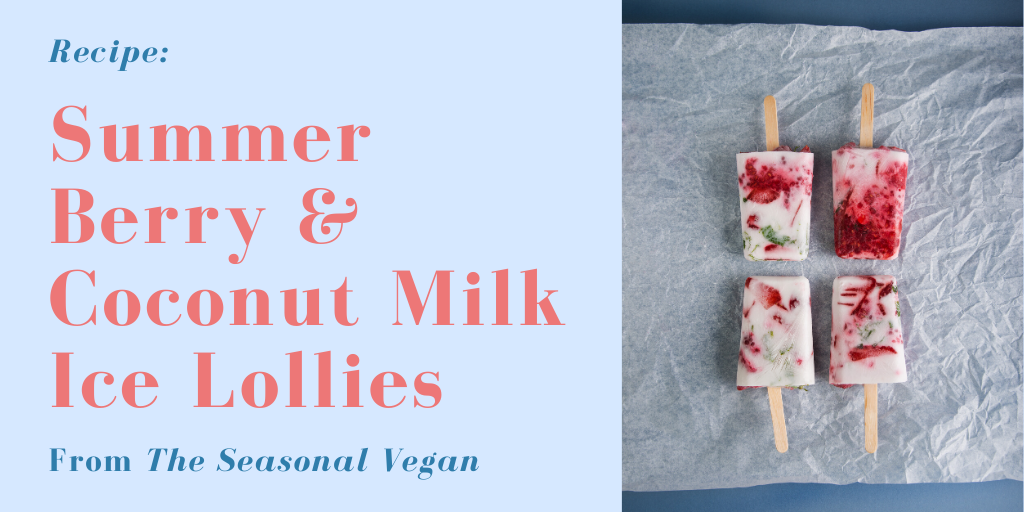
Recipe: Summer Berry & Coconut Milk Ice Lollies

Get a sneak peak of what’s to come in Sarah Philpott’s new book with this delicious recipe for Summer Berry & Coconut Milk Ice Lollies from The Seasonal Vegan.

A kitchen diary of seasonal recipes with a delicious mixture of fine food writing and beautiful photography. This guide to eating with the seasons takes a realistic approach to shopping cheaply and sustainably, and proves that the vegan lifestyle is anything but expensive. Features recipes for all seasons, a section on dishes that can be enjoyed all year round, and menu ideas for special occasions.


Summer Berry & Coconut Milk Ice Lollies

10 minutes, plus freezing time

Makes 4 lollies

Ingredients

1 x 400ml can full fat coconut milk

1 punnet strawberries, hulled and sliced

1 punnet raspberries

1 handful fresh mint, chopped, stalks removed

Method

In a large bowl, stir together all the ingredients and spoon into ice lolly moulds. Place in the freezer and when frozen, remove from the moulds and enjoy.


Photograph: Manon Houston

The Seasonal Vegan is available to pre-order on the Seren website: £12.99

Create your free Seren account and enjoy 20% off every book you buy from us.

Posted on

Happy International Women’s Day 2020!

Over the year’s we’ve been fortunate enough to work with a long list of fantastic female authors, all of whom bring something unique to the Seren list. There are too many to mention each by name in a single post, and so for International Women’s Day 2020 we’re shining a light on some of the women writers we are publishing in the first half of this year. Keep an eye out for their books coming your way soon.

Katherine Stansfield
We Could Be Anywhere By Now, March 2020

Katherine Stansfield grew up in Cornwall and now lives in Cardiff. Her poems have appeared in The North, Magma, Poetry Wales, The Interpreter’s House, And Other Poems, Butcher’s Dog, and as ‘Poem of the Week’ in The Guardian. Katherine’s debut collection Playing House (2014), a pamphlet All That Was Wood (2019), and her second full-length collection We Could Be Anywhere By Now (March 2020), are all published by Seren. She is also a novelist, with five novels published to date. Her latest titles are The Mermaid’s Call (third in her historical crime series set in Cornwall in the 1840s) and Widow’s Welcome (a political fantasy novel co-written with her partner and published under the name DK Fields). Katherine is the recipient of a Writer’s Bursary from Literature Wales. She teaches for the Open University and is a Royal Literary Fund Fellow.

Cath Drake
The Shaking City, March 2020

Cath Drake lives in London and has been published in anthologies and literary magazines in the UK, Australia and US. Sleeping with Rivers won the Mslexia Women’s Poetry Pamphlet Competition in 2013 and was a Poetry Book Society Choice. She has been short-listed for the Manchester Poetry Prize, and was second in the 2017 Resurgence Poetry School Eco-poetry Prize (now called Ginkgo) and highly commended in the same prize in 2019. Her work has included campaigning, copywriting and storytelling for good causes, environmental writing and award-winning journalism.The Shaking City, forthcoming from Seren at the end of March 2020, is her first full collection.

Sarah Wimbush
Bloodlines, March 2020

Sarah Wimbush comes from Doncaster and currently lives in Leeds. After winning the Yorkshire Post Short Story Competition in 2011 she began writing poetry. Her poems are rooted in Yorkshire with tales of childhood, colliery villages, and Gypsies and Travellers, and they have appeared in a variety of magazines including; the North, The Rialto, The Interpreter’s House, Stand and Strix. She won first prize in the Red Shed Poetry Competition 2016, and second prize in the Ledbury Poetry Competition 2019 where the judge, Daljit Nagra, described her poem as ‘linguistically charged’. A winner of both the Mslexia Poetry Competition (2016) and the Mslexia Poetry Pamphlet Competition (2019), she received a New Writing North – New Poets Award in 2019. Her debut pamphlet Bloodlines (Seren, March 2020) is the winner of the Mslexia/PBS Women’s Poetry Pamphlet Competition 2019.

Sarah Philpott
The Seasonal Vegan, April 2020

Sarah Philpott is a freelance copywriter and proofreader for a variety of organisations, and a fluent Welsh speaker who has appeared on S4C and ITV Wales to talk about vegan cooking. She is a regular guest on Radio Cymru, has written for Wales Online and writes restaurant reviews for the Wriggle app and website. She has a recipe column in Cardiff Now magazine and was featured in an article about vegetarianism in the Sunday Telegraph magazine, Stella. Sarah also has a vegan food blog, Vegging It. Her first vegan cookery book, The Occasional Vegan was published in 2018 and her second The Seasonal Vegan is forthcoming from Seren this April.

Kate Noakes
Real Hay-on-Wye, May 2020

Kate Noakes is a poet whose seventh and most recent collection, The Filthy Quiet, was published by Parthian in 2019 and was reviewed by the Poetry Book Society. Her work has been widely published in magazines in the UK, Europe and beyond. She was elected to the Welsh Academy in 2011. She lives in London where she acts as a trustee for writer development organisation Spread the Word. She reviews poetry for Poetry London, Poetry Wales, The North and cultural website London Grip. She can be found reading from her work all over the country, notably most recently at the 2019 Aldeburgh Poetry Festival. Kate has degrees from Reading University and the University of South Wales. She teaches creative writing workshops in London and beyond and offers one to one poetry coaching. Real Hay-on-Wye (May 2020) is her first non-fiction title.

Katrina Naomi
Wild Persistence, June 2020

Katrina Naomi has published four pamphlets of poetry, including the Japan-themed Typhoon Etiquette (Verve Poetry Press, 2019). Her collection The Way the Crocodile Taught Me, (Seren, 2016) was chosen by Foyles’ Bookshop as one of its #FoylesFive for poetry.  Katrina was the first writer-in-residence at the Brontë Parsonage Museum in W Yorks, and since then has been poet-in-residence at the Arnolfini, Gladstone’s Library and the Leach Pottery. Her poetry has appeared on Radio 4’s Front Row and Poetry Please, BBC TV’s Spotlight and on Poems on the Underground. In 2017 she was highly commended in the Forward Prizes. She has a PhD in creative writing (Goldsmiths) and tutors for Arvon, Ty Newydd and the Poetry School. She received an Authors’ Foundation award from the Society of Authors for her new collection, Wild Persistence (June).

Rhian Edwards
The Estate Agent’s Daughter, June 2020

Rhian Edwards is a multi-award winning Welsh poet, renowned for bridging the gap between page and stage poetry. Her first collection Clueless Dogs (Seren) won the Wales Book of the Year 2013, winning the hat-trick of prizes. It was also shortlisted for the Forward Prize for Best First Collection 2012.  Rhian also won the John Tripp Award for Spoken Poetry, winning both the Judges and Audience award. Rhian’s pamphlet Parade the Fib (Tall Lighthouse) was awarded the Poetry Book Society Pamphlet Choice for autumn 2008. Rhian’s poems have appeared in The Guardian, TLS, Poetry Review, New Statesman, Spectator, Poetry London, Poetry Wales, Arete, the London Magazine, Stand and Planet. Her second collection The Estate Agent’s Daughter is forthcoming from Seren in June.

Sue Gee
Just You and the Page: Twelve Writers and their Art, June 2020

Sue Gee is a novelist and short story writer. She has published eleven novels, including The Hours of the Night (1995), winner of the Romantic Novel of the Year award, The Mysteries of Glass (2005), long-listed that year for the Orange Prize, and Reading in Bed (2007) a Daily Mail Book Club selection. Her most recent novel is Trio (2016). She ran the MA in Creative Writing at Middlesex University from 2000-2008 and was awarded a Royal Literary Fund Fellowship at the University of London Graduate School in 2008. Since 2010 she has taught at the Faber Academy, and worked as a mentor for the Write to Life group at Freedom from Torture. With the novelist Charles Palliser she has for some twenty years run monthly author events at Stoke Newington Bookshop, under the umbrella N16 Writers & Readers. She is a frequent contributor to Slightly Foxed.

Jayne Joso
Japan Stories, June 2020

Jayne Joso is a writer and artist who has lived and worked in Japan, China, Kenya and the UK. Now living in London, she is the author of four novels, including My Falling Down House (2016) and From Seven to the Sea (2019). Her journalism has been published in various Japanese architectural magazines and in the UK’s Architecture Today magazine. She has also ghost written on Japanese architects for the German publisher, Prestel Art. She is the recipient of the Great Britain Sasakawa Foundation Award, given to artists whose work interprets Japan to other cultures and was longlisted for the Rathbones Folio Award 2017. Her forthcoming short story collection Japan Stories (Seren, June 2020) reveals Japanese life in city and countryside through a variety of characters notable for their shared humanity.


Find more amazing books written by women on the Seren website

Create your free Seren account and enjoy 20% off every book you buy direct from us.

Posted on

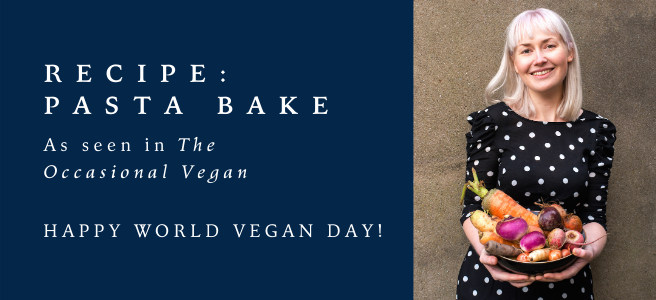
Happy World Vegan Day!

Today marks the beginning of World Vegan Month and we couldn’t think of a better time to tell you that the re-print of The Occasional Vegan by Sarah Philpott is now in stock!

The Occasional Vegan Sarah PhilpottTo celebrate we’re giving you a sneak peak at the deliciousness that waits inside with this tasty recipe for pasta bake. Not only does it taste amazing it is also healthy and a great way to use up any pumpkins you may have left over from Halloween. It may not be the quickest recipe, but it’s well worth the wait.


1 hour 30 minutes | Serves 4-6

Ingredients

– One large pumpkin or butternut squash
– Half a head of cauliflower broken into florets, and its leaves, chopped coarsely
– 250g wholewheat pasta
– 1 x 400g can tomatoes, chopped or plum
– 2 garlic cloves in their skins
– 3-4 sage leaves, chopped coarsely
– Nutmeg, grated
–Two big handfuls of walnuts, crushed
– Salt and pepper

Preheat the oven to 200C. Slice the pumpkin or squash into wedges (keep the skin and seeds on until later) and place onto a baking sheet (you may need two), then add a little water and season. Place onto the top shelf of the oven and after 20-25 minutes, put the cauliflower onto a separate baking sheet (again, add water and salt and pepper), move the pumpkin to the bottom shelf of the oven, and cook for another 25-30 minutes. In the last ten minutes of cooking, place the whole garlic cloves in with the cauliflower. Remove from the oven and allow to cool.

Cook the pasta in salted water for 8-10 minutes, drain and spread evenly across the base of a large oven dish. Once the pumpkin or squash has cooled, remove the skin and seeds and place in a large bowl with the cauliflower and its leaves. Stir in the tomatoes, half fill the empty can with water then add to the bowl. Stir through the sage and garlic (skins removed) and a generous grating of nutmeg, and blend the mixture in batches. If you don’t have a blender, simply put the sauce on a low heat for about 10 minutes and use a wooden spoon to gently crush the cauliflower and pumpkin/squash.

Spread the sauce evenly on top of the pasta. Crush the walnuts and scatter evenly on top of the sauce. Add more nutmeg and salt and pepper, then bake on the top shelf of the oven for 25-30 minutes. Serve with green vegetables – or on its own.


The Occasional Vegan is available on the Seren website for £12.99

Create your free Seren account and enjoy 20% off every book you buy from us.


Sarah Philpott is a freelance writer and food enthusiast who lives in Swansea. Her first cookery book, The Occasional Vegan, was published in 2018 by Seren Books and her food blog (https://veggingit.wordpress.com/) shares her passion for eating and cooking the vegan way. Sarah’s hearty, home-cooked recipes prove that being vegan isn’t all about kale and nut roasts and her writing takes a common-sense approach to eating to suit your lifestyle and budget, while debunking the myth that eating well comes at a cost.

Posted on

Veganuary: Tips & vegan recipes from Sarah Philpott

Veganuary Sarah Philpott vegan

Forget the January blues – in recent years this cold and gloomy month has instead brought cooking inspiration and healthy eating ideas as ‘Veganuary’ has taken off.

What is Veganuary? Whether you’re new to the vegan diet or you’ve dabbled before, the idea is to cut out meat and dairy throughout January – and if you find you like it, then continue for as long as you’d like! To help kickstart your vegan journey, vegan cook Sarah Philpott, author of The Occasional Vegan, has some tips, tricks and recipes:

Sarah Philpott The Occasional VeganGetting started
Eating and cooking as a vegan might seem like a minefield but it’s simple once you know
how. Despite what your mother says, you’d be surprised by how little protein you actually
need and it can be found in a number of vegetables, beans and pulses. The same goes for iron, calcium and healthy fats.

Where to shop & what to buy – Can eating vegan be budget-friendly?
You might think that veganism is only for well-off lefties but it’s not a middle-class fad; it’s actually really accessible for those of us on a tight budget. Seasonal fruit and vegetables are cheap and plentiful, and beans, pulses, rice and other grains cost pennies. Meals like chilli, dhal and curry are tasty tummy fillers which, armed with a well-stocked cupboard, will cost you next nothing to make. You can buy big bags and tins of pulses for next to nothing from supermarkets and international stores, and pound or bargain shops often sell quinoa, nuts, seeds and dried fruit at a fraction of the price you’d pay elsewhere. Most supermarkets sell everything from plant milk to vegan cheese, as well as a variety of ready meals, and if you fancy a treat, there are plenty available, including vegan Magnums and Ben and Jerry’s. Most restaurants now offer a vegan menu and you can even enjoy a vegan sausage roll at Greggs.

Get started – try these vegan recipes!


The healthy meal:
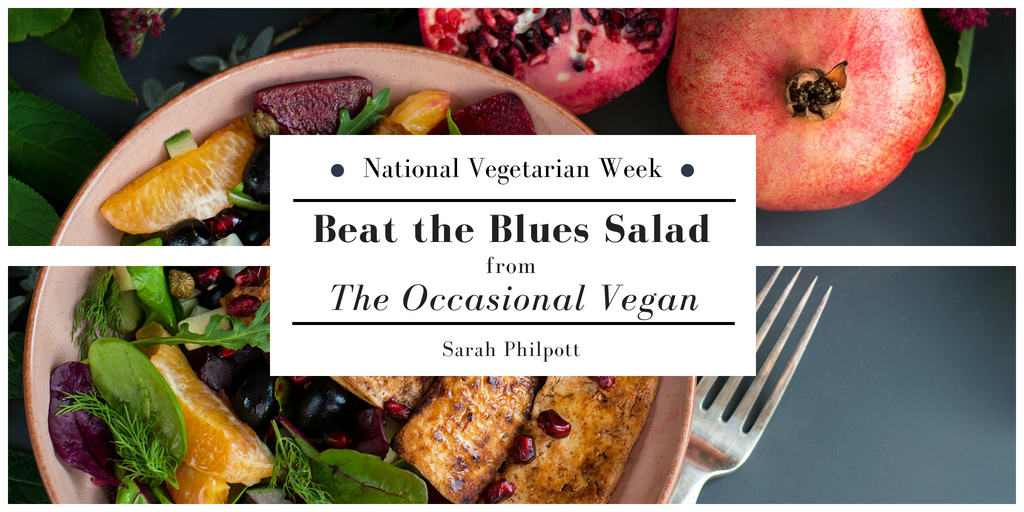
Beat the Blues Salad
This vibrant and filling salad pairs smoky tofu with beetroot, orange and salty black olives.

Video credit: Manon Houston

Read the full recipe


The mid-week treat:
‘KFC’ – Kentucky Fried Cauliflower
This spiced, fried cauliflower tastes amazing and is surprisingly easy to make.

Video credit: Manon Houston

Read the full recipe


The decadent dessert:
Vegan Chocolate Mousse
This gorgeously light and creamy mousse has just four ingredients and comes together as if by magic.

Video credit: Manon Houston

Read the full recipe


We hope you feel inspired and ready to begin your voyage into veganism. Hungry for more great recipes? Get your copy of The Occasional Vegan from our website: £12.99

Create your free Seren account and enjoy 20% off every book you buy direct from us.
 

Posted on

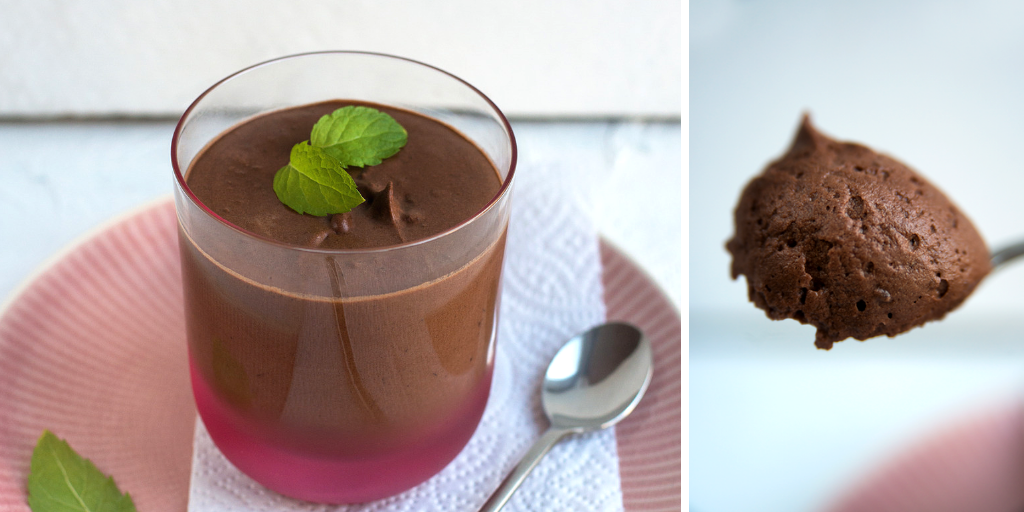
Chocolate Mousse – a recipe from The Occasional Vegan

chocolate mousse occasional vegan

This weekend you’ll find Sarah Philpott at the Cardiff Book Festival chatting to fellow vegan cook Gaz Oakley. While you wait for the event, why not whip up some of Sarah’s delicious chocolate mousse? Believe it or not, this recipe uses chickpea water in place of cream – and miraculously you can hardly tell the difference.

Tip: I find that cheap supermarket dark or plain chocolate works well here as it’s usually higher in sugar.’ – Sarah

Chocolate Mousse

vegan chocolate mousse

If you fancy a sweet treat or if you’re cooking for friends and need a quick dessert, you can make this quickly and leave it to set in the fridge while you’re eating dinner. The surprise ingredient here is chickpea water, also known as aquafaba. It might sound crazy but it acts in the same way as egg whites and gives you a light and fluffy mousse. You really should give this a try because it’s truly delicious.


Ingredients

– 150g dark chocolate
– A dash of plant milk
– 120ml chickpea water
– 1 tsp vanilla extract
– A pinch of sea salt (optional)

Directions

Carefully place a heatproof bowl over a pan of boiling water and add the chocolate and plant milk and stir gently until melted. Remove the bowl from the pan and set aside to cool slightly. If you have a microwave, heat the bowl on a medium power at 60-second intervals until melted.

Pour the chickpea water (one can should give you about 120ml water and you save the chickpeas for cooking something else) into a large bowl and whisk vigorously for 15 minutes, or until you have stiff peaks.This requires a strong wrist although you can use an electric whisk if you have one.To check if you have said stiff peaks, tilt the bowl slightly – if the water runs down the edge, you need to whisk more.When stiff, fold in the chocolate mixture then add the vanilla extract and the salt and stir well.

Pour into glasses or ramekins and leave in the fridge to set for at least an hour.

The Occasional Vegan Sarah Philpott

The Occasional Vegan is available from the Seren website: £12.99

Create your free Seren account and enjoy 20% off every book you buy direct from us.


Posted on

Beat the Blues Salad recipe – National Vegetarian Week

National Vegetarian Week Beat the Blues Salad recipe

National Vegetarian Week 2018 runs from 14-20 May and is the perfect excuse to indulge in exciting and colourful veggie fare – so out with blandness and in with this scrumptious salad!

Sarah Philpott’s Beat the Blues Salad brings together smoky marinated tofu, beetroot, orange and salty black olives in a celebration of all things plant-based. You will need to press and marinate the tofu so we suggest doing this in the morning before you head to work – or even the night before (it takes a little time but it’s oh so worth it).

Beat the Blues Salad

Ingredients

For the salad
– 1 x 400g block firm tofu
– 2 bags of lettuce or spinach– 1 cucumber, diced
– 2-3 large beetroots, peeled and sliced (or use the vacuum-packed kind)
– 3 tsp capers, drained
– 1 330g jar pitted black olives
– 2 oranges, divided into segments
– 1 tbsp sesame oil
– Flat-leaf parsley (optional)
– Pomegranate seeds (optional)

For the marinade
– 3 tbsp soy sauce
– 1 tsp sea salt
– 2 tbsp maple syrup
– 1 tsp smoked paprika
– 1⁄2 tsp cinnamon

Directions
Take the tofu and use kitchen roll or a clean tea towel to blot and absorb all its water. Take a heavy wooden chopping board or a hardback book and place it on top of the wrapped tofu. This will press down on it and absorb excess moisture. Leave for 30 minutes or more then slice into medium-sized strips.

Make the marinade by mixing together all the ingredients. Pour into the base of a large dish and place the slices of tofu into it, making sure to turn them so that both sides are covered in the marinade. Leave to marinate for at least 30 minutes.

Heat the sesame oil in a large frying pan over a medium heat. Fry the tofu slices for 5-10 minutes or until golden brown, turning occasionally – you may need to do this in two batches. Remove from the pan and set aside while you make the salad. Simply combine all the ingredients in a large bowl then drizzle with a little sesame oil. Divide into bowls and serve with the smoked tofu. Garnish with the parsley and pomegranate seeds.

The Occasional Vegan Sarah Philpott


The Occasional Vegan is available from the Seren website: £12.99

Join our free Book Club for 20% off every book you buy from us.