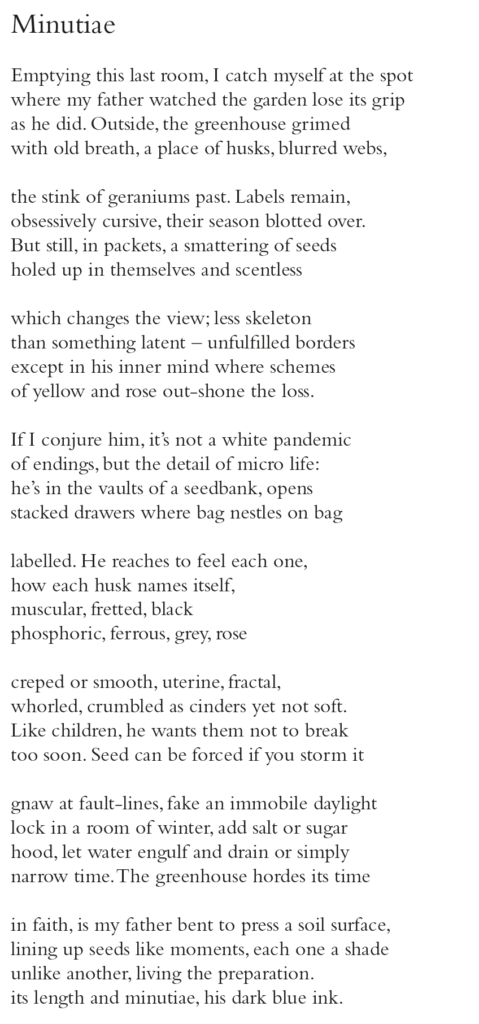
This week’s Friday Poem is ‘For the Drag Queen Who Lives in My Building’ by Emily Cotterill from her collection Significant Wow.

This week’s Friday Poem is ‘For the Drag Queen Who Lives in My Building’ by Emily Cotterill from her collection Significant Wow.
This week’s Friday Poem is ‘A Pond for All Eels’ by Taz Rahman from his collection East of the Sun, West of the Moon. Catch Taz and lot of other interesting poets at Aberystwyth Poetry Festival this weekend. View the programme here.

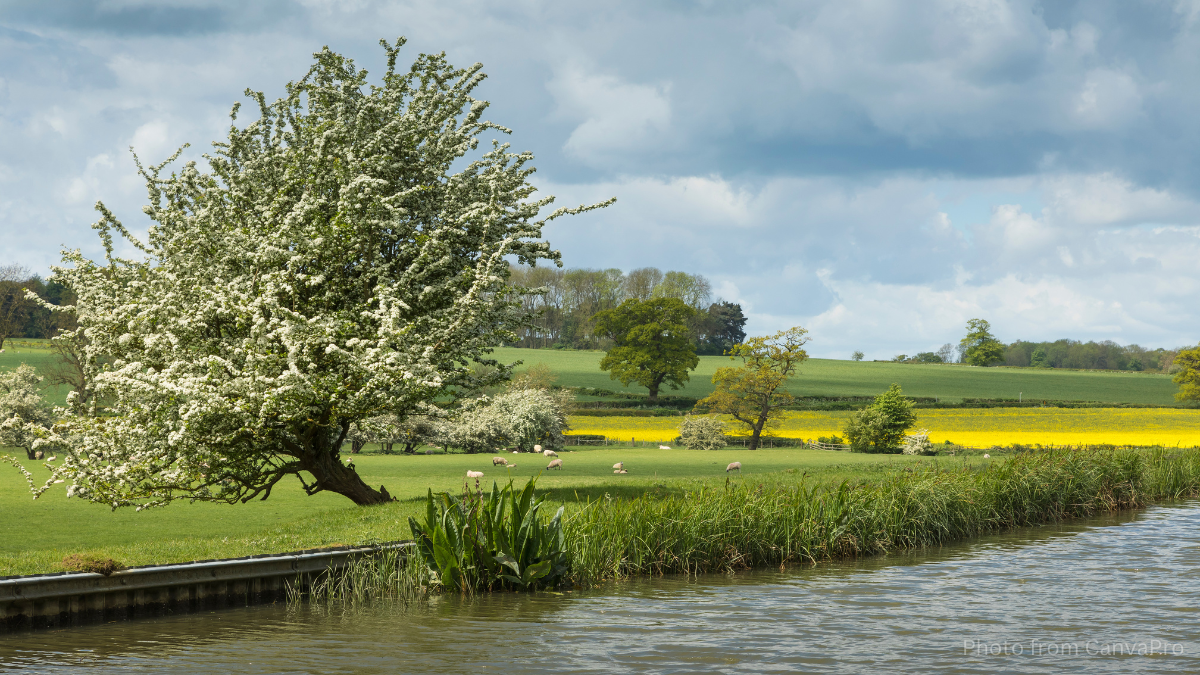
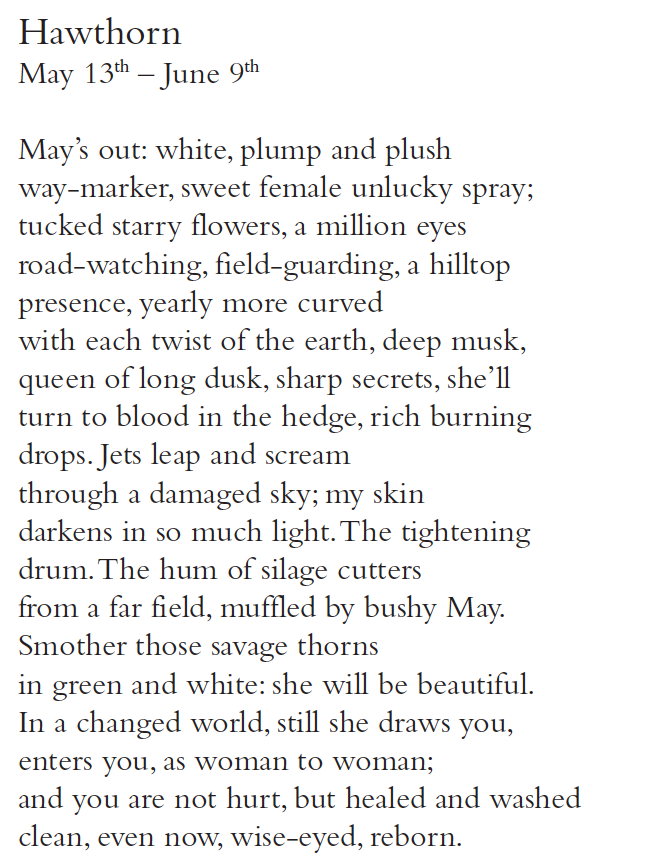
This week’s Friday Poem is ‘Hawthorn’ by Hilary Llewellyn-Williams from ‘The Tree Calendar’ published most recently in The Little Hours: New and Selected Poems.
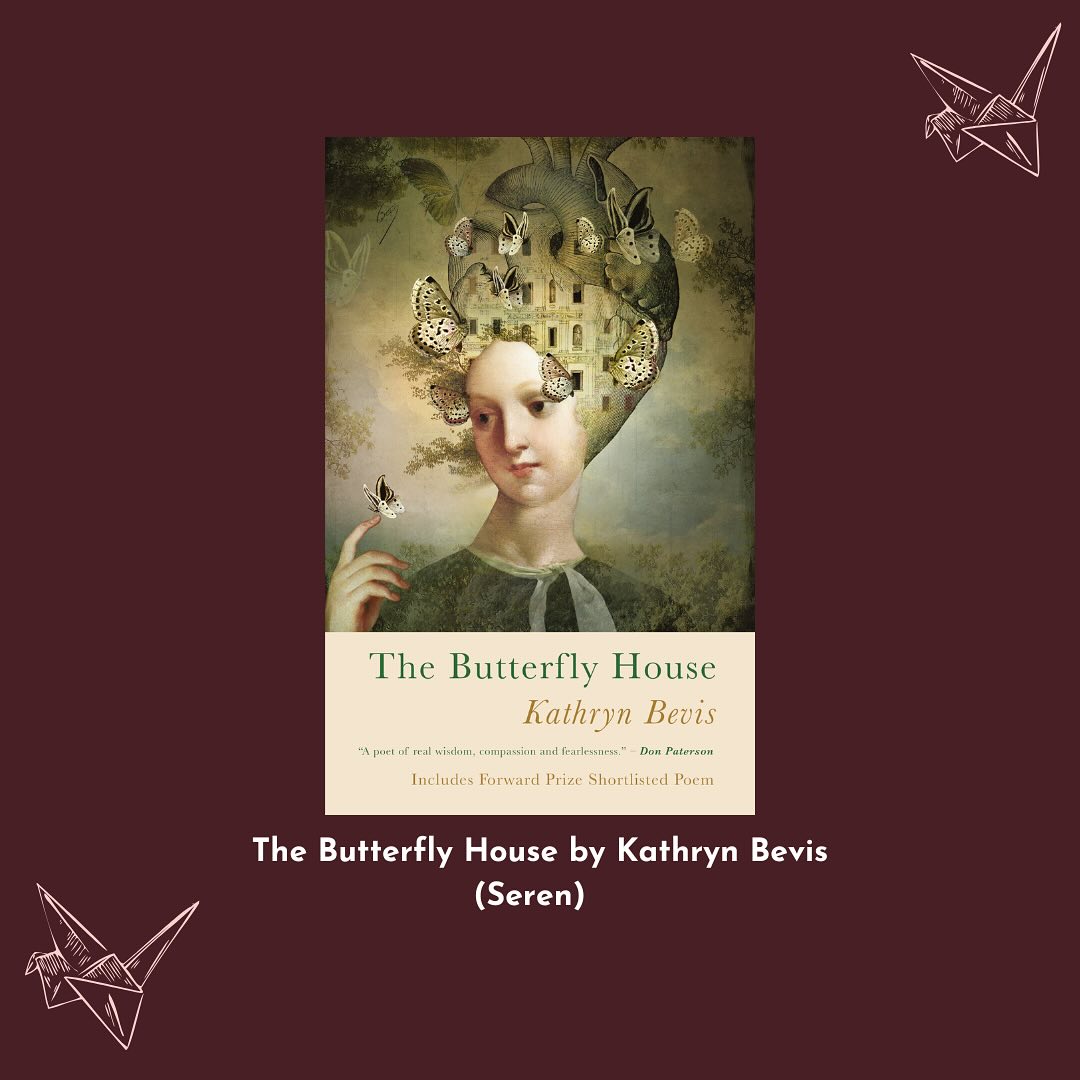
Kathryn Bevis’ debut collection The Butterfly House has been shortlisted for the Seamus Heaney First Collection Prize 2025.
Judged this year by Fiona Benson, Professor Fran Brearton and Dr. Dawn Watson, the shortlist is made up of six debut collections each published in 2024. Of the shortlist, they say: “All three judges were impressed by the formal range and quality of debuts submitted. The shortlisted books each offer something unique and highly original, taking on urgent subjects in ways we found authentic and moving.”
The Butterfly House was published in March 2024 shortly before Kathryn sadly passed away. We are delighted that her work continues to be celebrated and discovered by new readers.
The winner of the Seamus Heaney First Collection Prize will be announced at an award ceremony on 23 June.
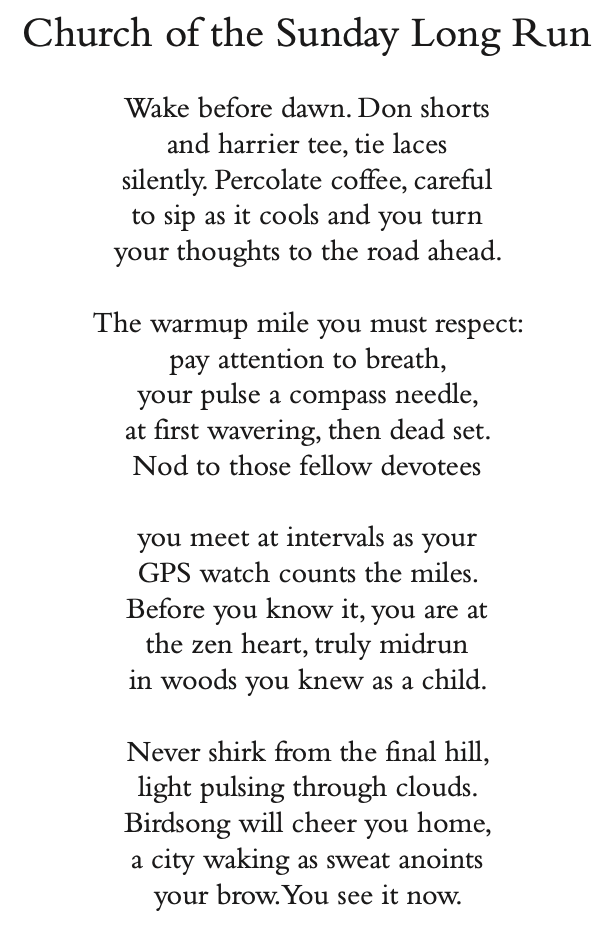
This week’s Friday Poem is ‘Church of the Sunday Long Run’ by Ben Wilkinson from his collection Same Difference.

In today’s guest blog, Jo Mazelis reflects on what we know about Mary Shelley’s half-sister, Fanny Imlay, and why she finds her story fascinating. 14 May was Fanny Imlay’s birthday; Fanny is a central character in Jo’s new novel The Forger’s Ink, which reimagines what might have happened, had Fanny not died in Swansea in 1816.
The Girl They Left Behind
On Wednesday, 14th May, two hundred and nine years ago in Le Havre, Mary Wollstonecraft gave birth to a daughter she named Frances. One account records this baby’s name as Françoise, but she was always known familiarly, as Fanny. Her conception must have occurred sometime during August 1793 while her mother, a radical feminist Englishwoman, and her father, Gilbert Imlay, an American author and adventurer, were both in Paris during the French Revolution. Like other political idealists and philosophers each had gone there in support of the revolution. They fell in love, but didn’t marry, though for the sake of propriety they pretended they had.
The Reign of Terror and the fear everyone began to feel in that atmosphere, were perhaps imprinted on the child developing inside Wollstonecraft’s womb. Added to that was at least one suicide attempt by Wollstonecraft while she was pregnant with Fanny, and Gilbert Imlay’s quickly evaporating interest in either mother or child must have created enormous stress. There was also society’s judgment of unmarried mothers and their illegitimate offspring and, once back in Great Britain, the fear and suspicion of radicals, especially one as outspoken as the feminist, Mary Wollstonecraft.
Once back in London, Gilbert Imlay sent Wollstonecraft and the one-year-old Fanny on what might have been something of wild goose chase to Scandinavia. Wollstonecraft later published an account of her journey, and here minute fragments of Fanny Imlay’s nascent personality appear. It seems astonishing now that even with the support of a nursemaid any woman would have attempted such a journey. Not long after Wollstonecraft’s return to Britain, the relationship with Imlay ended.
When her mother fell in love for the second time, this time with the political philosopher and radical, William Godwin, things very quickly went wrong for Fanny. Mary Wollstonecraft died less than a fortnight after giving birth to Godwin’s first child, the baby girl who would grow up to become Mary Shelley. Godwin was left with the care of two very young daughters; one a newborn, the other aged just three years and three months.
The impact of these events can’t be underestimated, and even though rates of maternal and infant mortality were shockingly high, the psychological impact on those left behind was not lessened. Fanny’s reaction to the loss of her primary caregiver must have been huge and lasting. Godwin’s grief must also have infected her, as did his growing preference for his own daughter.
Matters worsened when, perhaps compelled by the need to find the girls a replacement mother, Godwin married a neighbour, Mrs Clairmont in 1801. Mary-Jane Clairmont already had two children, Claire and Charles. Very soon the newly wedded Mr and Mrs Godwin added a son called William to the brood. For Fanny, who had grown up the only child of a single mother, there was suddenly a whole tribe around her, and only one of them shared her blood. Her stepbrother once sarcastically quipped, ‘It is sure to rain on Fanny’s birthday!’ and Godwin claimed that Fanny ‘made a luxury of her melancholy’ statements that must have cut deep for Fanny.
To add to her loneliness and alienation there was yet another thing which set her apart; while in Scandanavia with her mother, Fanny had caught smallpox and this disease had left her face pockmarked and disfigured. There is a painting by Finnish artist Akseli Gallen-Kallela from 1893 entitled ‘Pockmarked Boy from Savo’ showing the effects on the skin. It’s hard to imagine how badly this may have affected her, but in that period, she would have known it greatly lowered her marriageable status.
She seemed trapped in every respect; abandoned by her half-sister Mary and stepsister Claire, probably barely tolerated by Mrs Clairmont. She tried to take on the role of peacekeeper, while at the same time she offered support to her errant sisters by carrying secret notes for them. She also tried, I imagine, to do what she could to help her adopted father, William Godwin. She had hoped (rather like Jane Eyre) to work as a teacher. Mary Wollstonecraft’s sisters ran a small school in Ireland and there were plans for her to work for them, but then the disgrace of Mary and Claire running away with Percy Shelley scuppered this scheme, as the aunts feared that no-one would want to send their children to be taught by the sister of such wanton young women.
I have often wondered what exactly took the twenty-two-year-old Fanny to Swansea. I don’t believe that her sole purpose was to end her life. I don’t believe as some writers have implied that she was brokenhearted because of Percy Shelley either. She may have hoped for work, or for passage on a ship to Ireland or even further afield to America, possibly to New Jersey where her father was from. Maybe she had hoped to reach the Ohio River Valley in Kentucky where Gilbert Imlay had set his utopian novel of 1793, The Emigrants.
With her astonishing lineage Fanny Imlay should have been someone but it seemed that like Tess of the D’Urbervilles she was born on a blighted star, unable to escape, unable to build a life for herself in any shape or form.
Jo Mazelis
Discover how Jo’s research and interest in Fanny Imlay’s life transformed into her mysterious and enthralling novel, The Forger’s Ink – available now from all good bookshops and as an ebook.
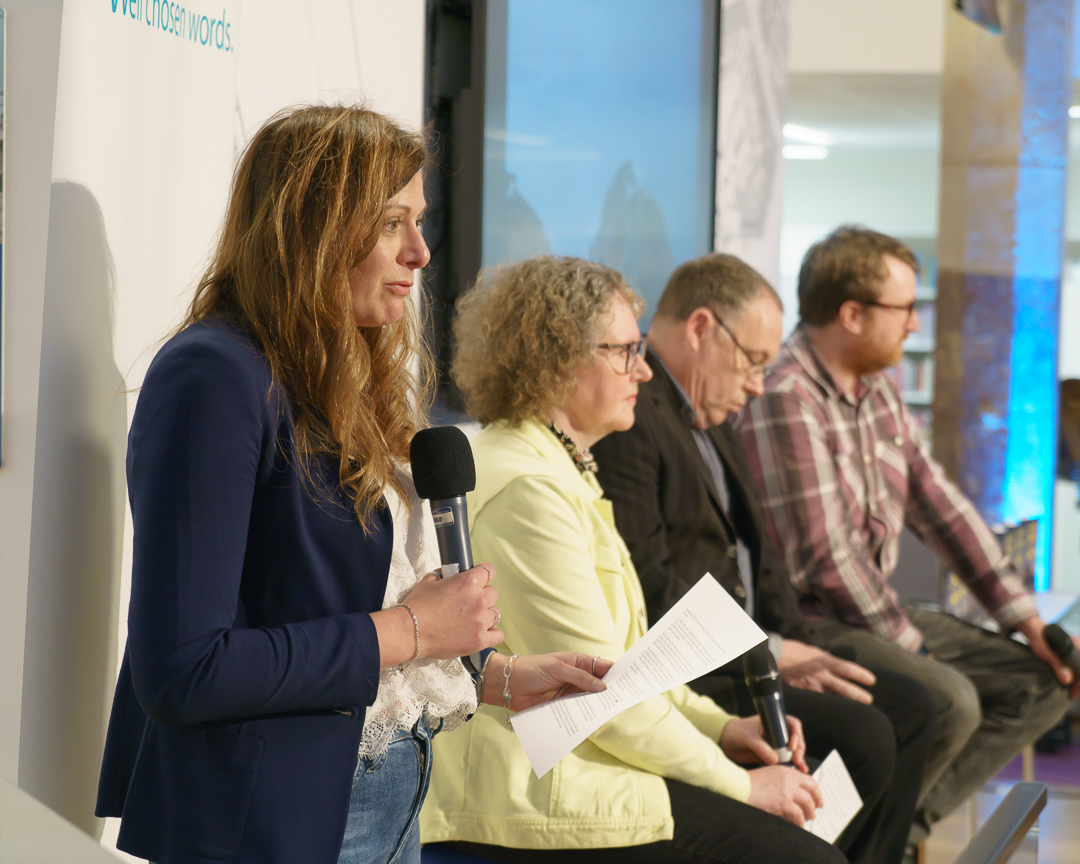
Anyone familiar with our work, will likely already recognise Bronwen’s name, as she first joined Seren Books as Interim CEO in January 2024 having been seconded from our Board. Under her leadership in the last 18 months, we’ve created a new three-year Business Plan and developed fresh working practices. We’re now looking towards an ambitious future on the back of being named Welsh Small Press of the Year in the British Book Awards 2025.
Bronwen says: “Having emerged from a tricky few years, we’re so excited about the plans we’ve put in place. We’ve got a cracking list of innovative, era-defining, important and fun titles which will really resonate with readers both within Wales and beyond its borders. We want to make an impact – combining critical and commercial success with publications which both reflect and challenge contemporary lives, values and art. We love what we do, are striving for growth and can’t wait to create the books of Wales’ future.”
Bronwen comes into the role with 20 years of experience in arts management in Wales having previously been Deputy CEO at both Llenyddiaeth Cymru / Literature Wales and National Theatre Wales. Alongside her appointment to CEO, Duncan Campbell will remain as Chair of Seren Books’ Board of Directors. He adds:
“The last 18 months have been challenging for Seren Books given market conditions and funding challenges, but Bronwen and her team have done a fantastic job turning the business round. We can now look forward to the future confident that Seren is in a much more secure position to deliver a revived publishing programme that builds on our rich heritage while offering something new and exciting for readers.”
Keep an eye out for more information about our 2025/2026 books over the coming months. Some highlights include gripping true crime title Murder on Ynys Môn: The Anglesey Crossbow Killing by Siôn Tecwyn and Meic Parry, mysterious Gothic novel The Forger’s Ink by Jerwood prize-winning author Jo Mazelis, an illustrated mythological compendium in Gwrachod Cymru | Welsh Witches by Efa Lois (October) and Deryn Rees-Jones’ highly anticipated poetry collection Hôtel Amour (July).
Photo by Robert Law.

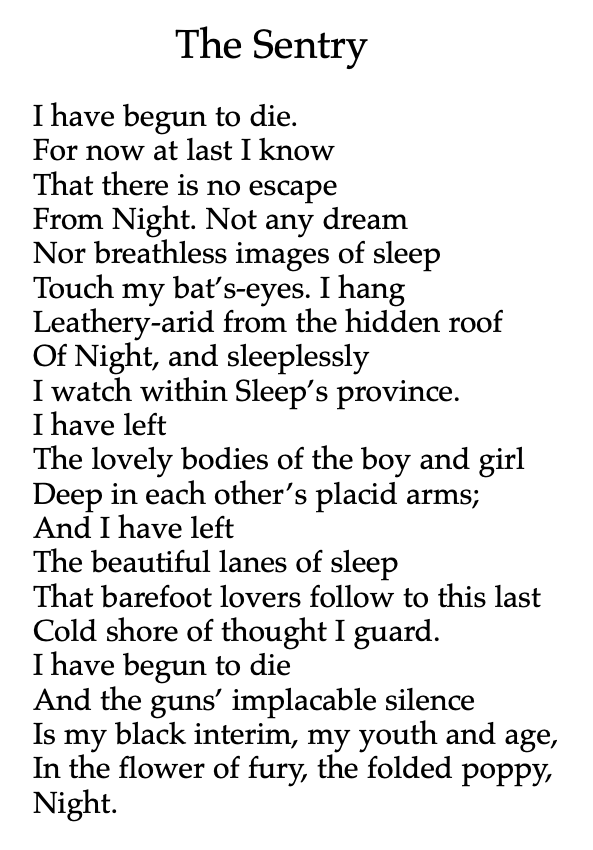
In honour of the 80th Anniversary of VE Day, this week’s Friday Poem is ‘The Sentry’ by Alun Lewis from his Collected Poems.
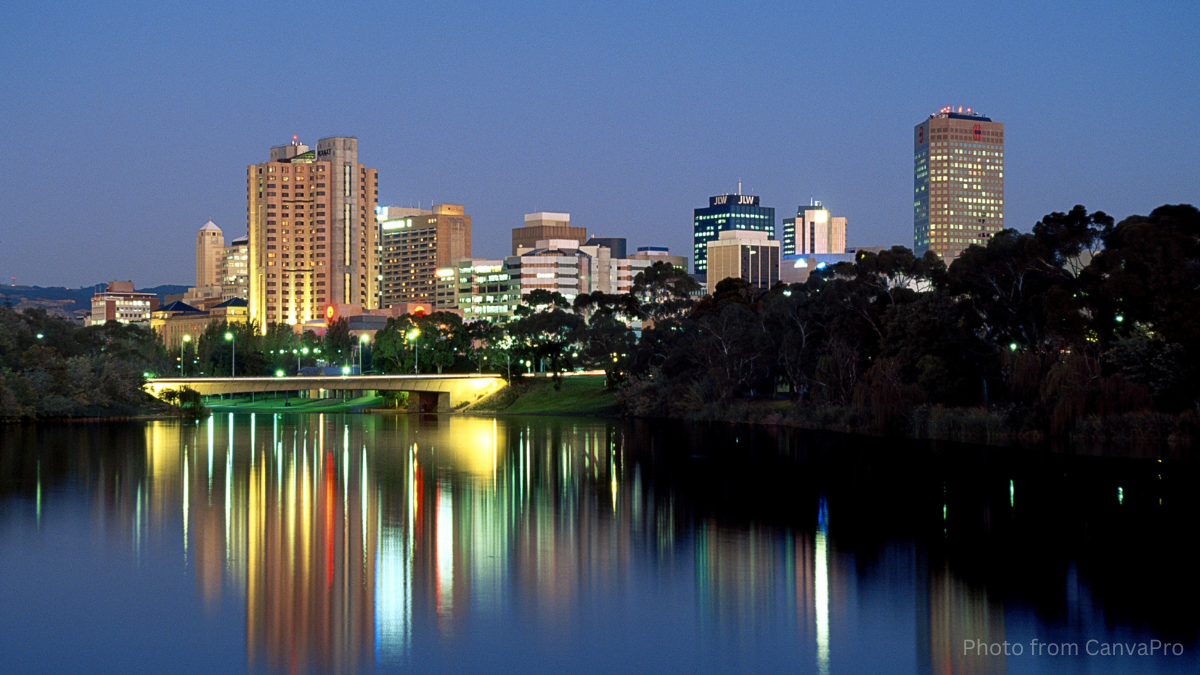
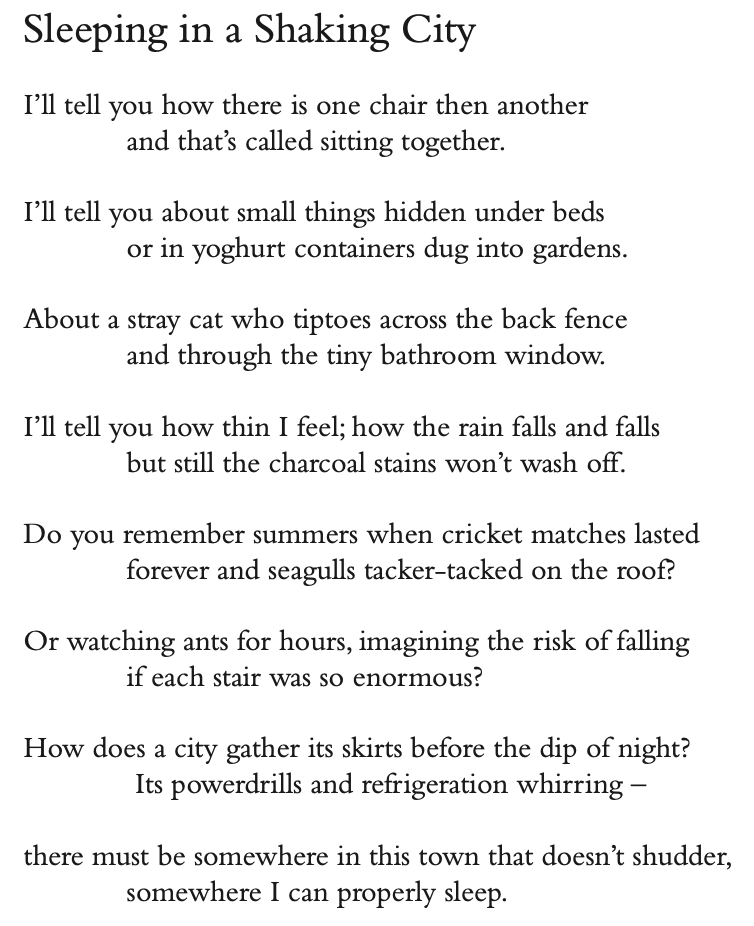
This week’s Friday Poem is ‘Sleeping in a Shaking City’ by Cath Drake from her collection The Shaking City.

This September, you’re invited to explore the unseen and the unsettling. From dark and menacing landscapes to the everyday terrors of domestic settings disturbingly close to home, these stories will horrify and delight in equal measure. Be prepared, for ‘this is a land of ancient power, and even more ancient beings...’ Pre-order the latest addition to our Welsh Gothic series, ‘Giving the Darkness Life’ on our website now.
.
Stories by @markblayney1, Mary-Ann Constantine, @damianwalforddavies, Caradoc Evans, Dorothy K. Haynes, @lucie_mckhardy Arthur Machen, Elinor Mordaunt, John Llewellyn Probert, L.T.C. Rolt, @priyasharma1000, Edward Thomas, Elizabeth Walter and D.P. Watt
.
@inpressbooks @books.wales #WelshGothic #SerenBooks #NationalYearOfReading2026 #SpookySeason #AutumnBooks

We had a wonderful time listening to @megan.c.hayes talking about her memoir ‘Glimmering’ with Kath Little from @bardic_books at St Illtud’s church in Llantwit Major on Saturday. Diolch yn fawr to everyone who joined us and to Kath for hosting! Copies of ‘Glimmering’ are available now in your local bookshop.
.
#Glimmering #Memoir #SerenBooks #IndependentBookshop #NationalYearOfReading2026
Ebooks available now! ‘In Search of Sea Dragons’, ‘Muslim Wales’ and ‘The Waters That Raised Us’ are now available from all major ebook retailers meaning you can take them with you on the go 🎉 Do you prefer reading ebooks, print books or both?
.
@severn.sea.fossils @azimwales @tayloredmonds #Ebooks #Kindle #SerenBooks #BooksFromWales #LoveReading
🏆@maggiepoet continues her winning streak having won the Guyana Prize for Literature Poetry Award with her collection ‘I Sing to the Greenhearts’! Available now in bookshops nationwide and on our website!
.
#AwardWinning #GuyanaPrize #Poetry #PoetryBooks #SerenBooks