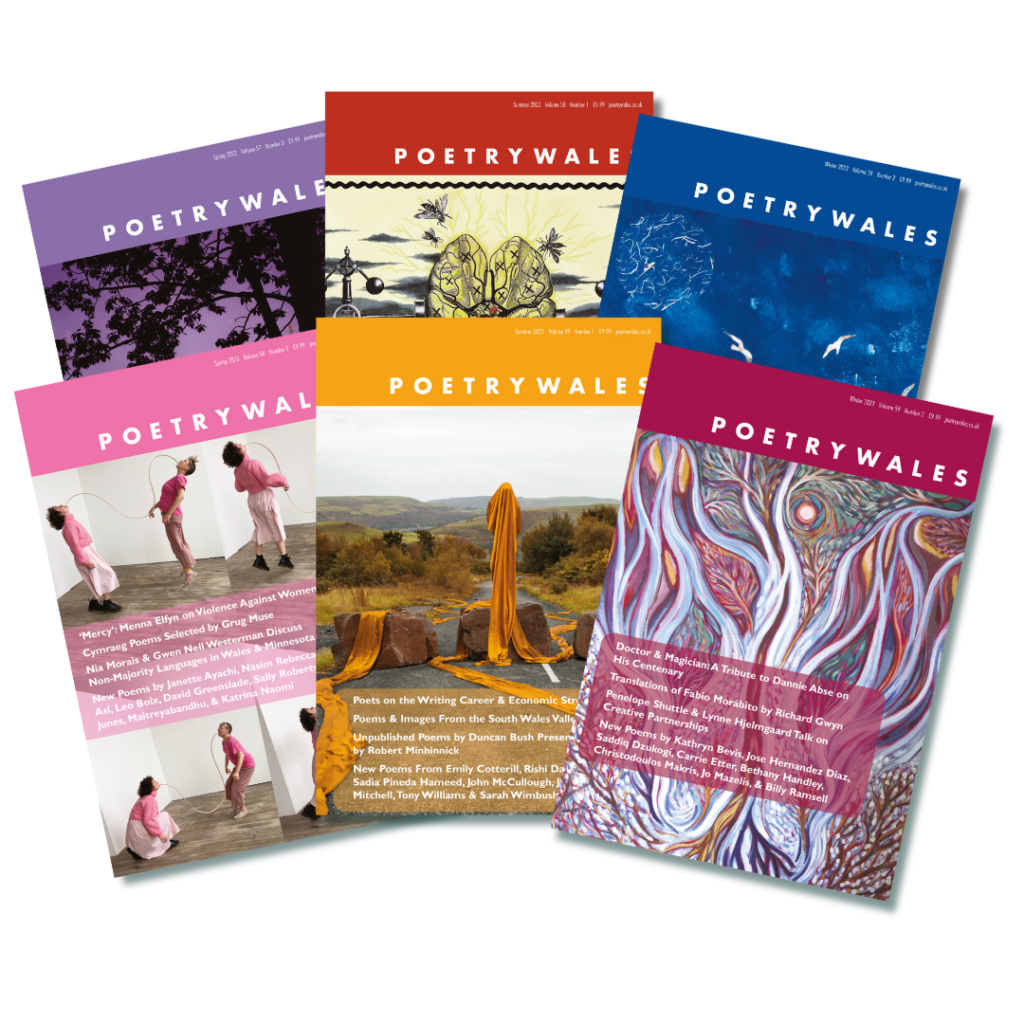
In today’s post, we’re highlighting some of the fantastic subscriptions offered by our sister-company Poetry Wales. Whether you’re looking for a gift or a treat for yourself, they have something for everyone.
Poetry Wales has been publishing hand-curated issues and special themed editions for 60 years. As well as being a platform for unpublished work by new and established poets from all over the world, each issue also contains a creative workshop by a working poet, an interview or feature by and with some of the brightest stars in Welsh and international poetry, and much more. Treat your loved ones to a subscription or single issue today!
Supporter Subscriptions
Supporter Subscription – Gold
With Gold, subscribers get:
A print and digital subscription to Poetry Wales
Access to the full library of PW digital editions from 48.1 onwards (the last 10 years)
A mystery vintage PW issue from as early as 1965 or recent Seren poetry title with each new issue (choose which of these options you’d like at checkout)
If you think this would make the perfect gift for someone in your life, there’s an option to purchase a ‘Gift Subscription’ on the Poetry Wales website. The perfect way to keep up-to date with the Welsh poetry scene all year around.
Subscribers who purchase now will get 6 forthcoming issues, including the Spring (59.3, March), Summer (60.1, July) and Winter (60.2, November) issues in 2024.
This would make a fantastic gift for an avid fan of poetry, ensuring they have a current issue for as long as the subscription is active.
Poetry Wales publishes 3 issues a year. Subscriptions purchased today will include Spring 2024 (59.3, March), Summer 2024 (60.1, July), and Winter 2024 (60.2, November) plus many more issues still to come!
You may notice some familiar faces amongst the pages of Poetry Wales. Seren poets who have been featured in recent issues include Rachel Carney, Lynne Hjelmgaard and Glyn Edwards.
These are the most popular subscriptions that Poetry Wales offer, and it’s easy to see why! They are ideal for anyone who is curious or looking to dip their toe into the world of Poetry Wales.
Anyone who subscribes now will get Spring 2024 (59.3, March), Summer 2024 (60.1, July), and Winter 2024 (60.2, November) issues as part of their subscription.
The next few years are going to be particularly exciting for Poetry Wales. If you fancy sticking around, two year print subscriptions purchased today will include Spring 2024 (59.3, March), Summer 2024 (60.1, July), and Winter 2024 (60.2, November) issues as part of their subscription. You will also get Spring 2025 (60.3), Summer 2025 (61.1) and Winter 2025 (61.2) the following year.
The cheapest option for people based outside of the UK, a digital subscription give you access to each issue on publication day (the first of March/July/November), plus access to our digital back catalogue, which is the last ten years. The archive is fully searchable, so it’s easy to find your favourite poet or poem at the click of a button.
Digital subscriptions are managed by Exact Editions – when purchasing you will be taken to their website to complete your purchase.
Poetry should be accessible to everyone, so Poetry Wales also offer a student and low-income subscriptions. Choose from £20 a year, £7 every 4 months (plus £7 sign-up fee), or £2 a month (plus £5 sign-up fee). These subscriptions include the same as a one year print subscription, so order today and you’ll receive Spring 2024 (59.3, March), Summer 2024 (60.1, July), and Winter 2024 (60.2, November) as part of your subscription.
As the year draws to a close, several Seren poets and their recent collections have appeared on ‘Best of 2023’ lists. Here’s a round-up of Seren poetry collections currently grabbing the attention of reviewers:
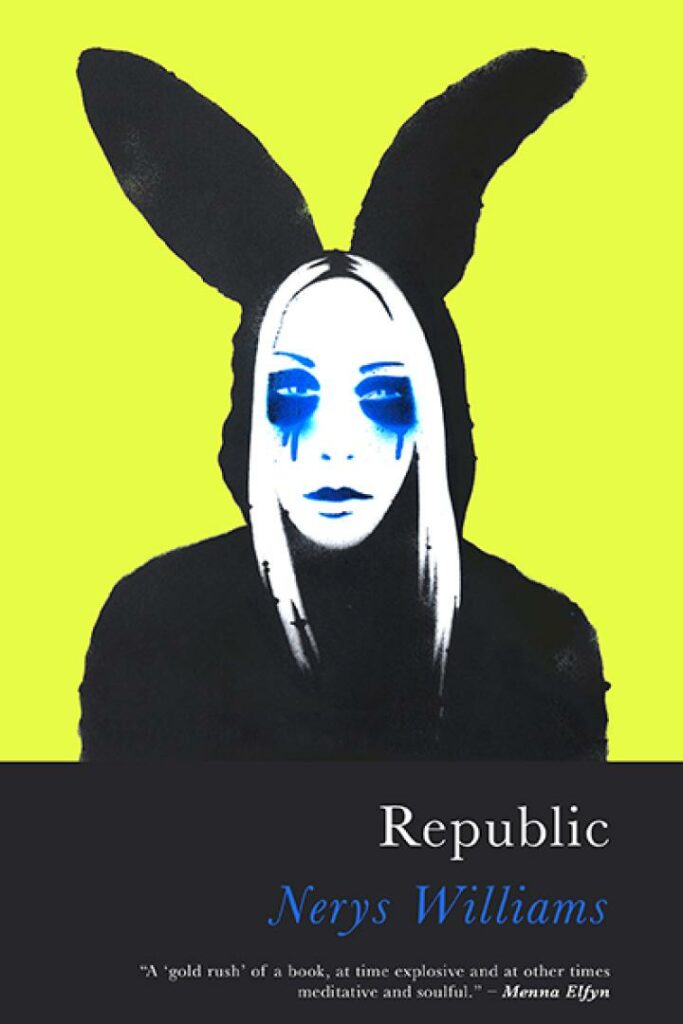
Nerys Williams was featured in the Sunday Irish Independent Best Poetry Books of 2023 for her collection Republic, and was also chosen by two contributors to Wales Arts Reviewas 2023 recommendations.
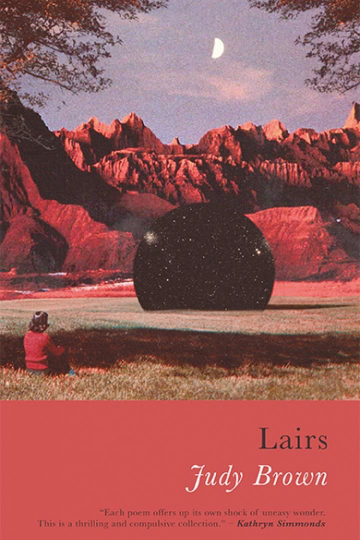
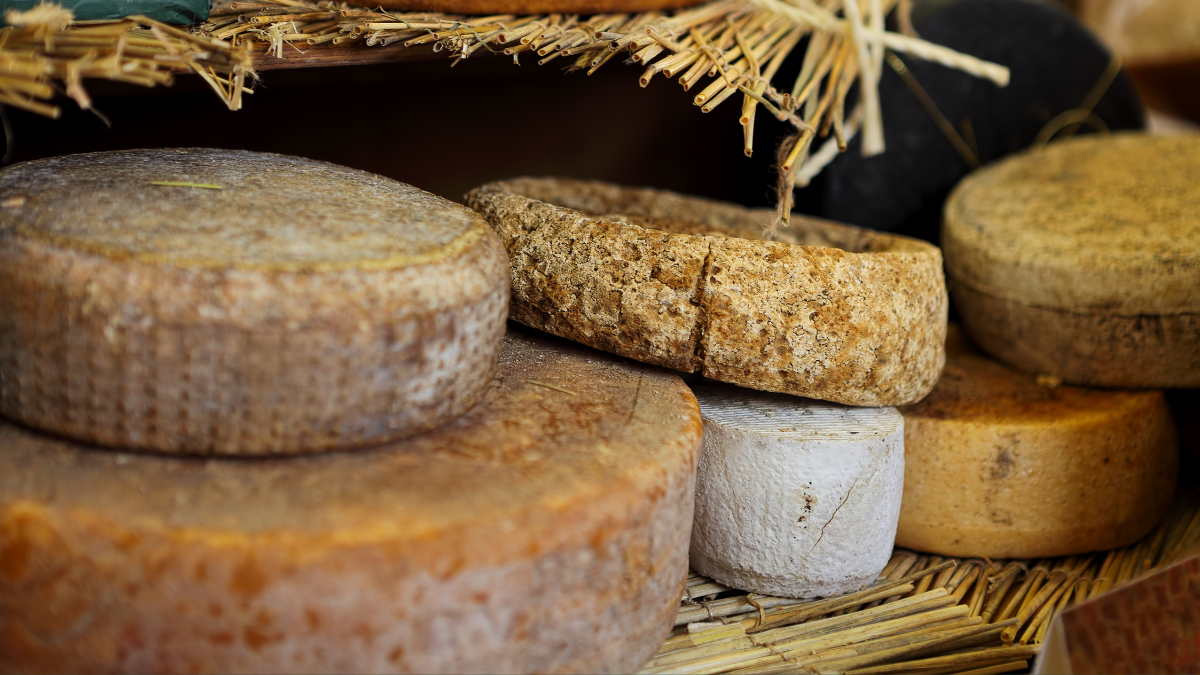
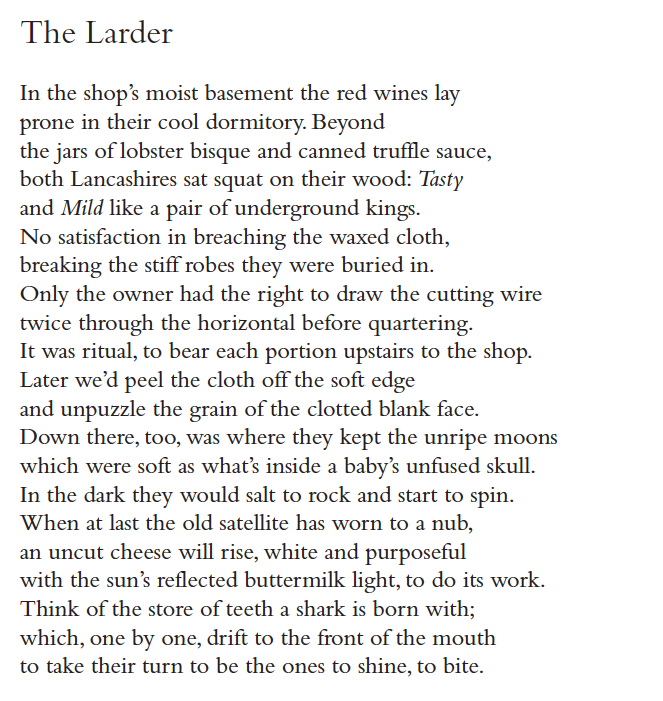
This week’s Friday Poem is ‘The Larder’ by Judy Brown from her collection Lairs. You can listen to her talking in depth about the collection on Series 2 of The Seren Poetry Podcast. Listen and subscribe on your favourite podcast app to listen to the series so far.
Judy also appeared on the Mouthful of Air podcast to talk specifically about ‘The Larder’ with Mark McGuinness.
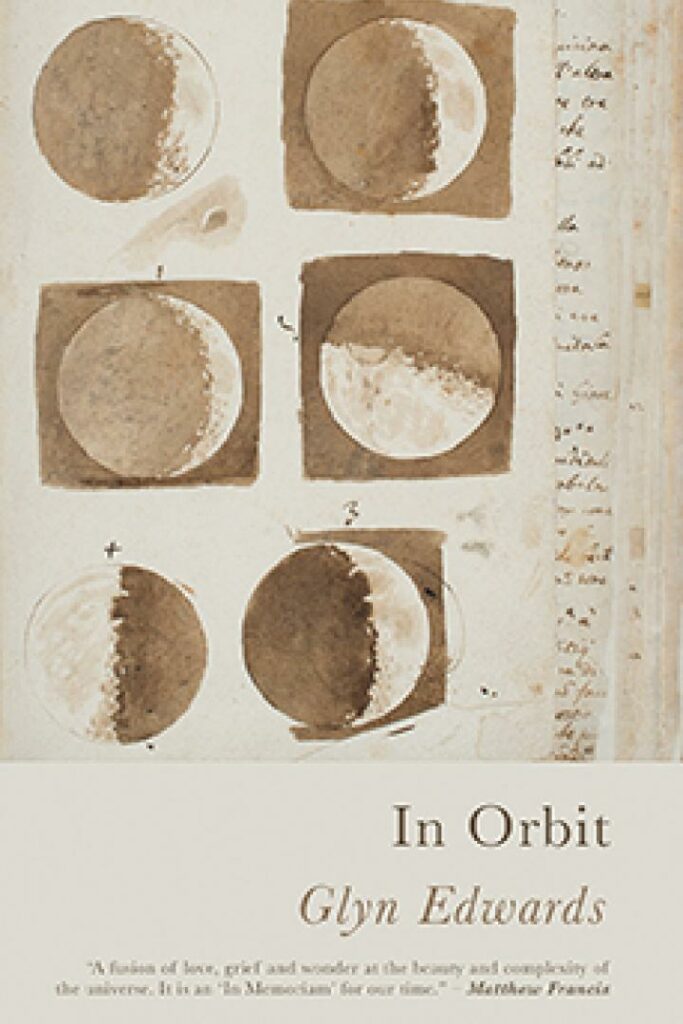
This week’s Friday Poem is ‘Moon phases as seen from Earth’ by Glyn Edwards from his collection In Orbit. You can listen to Glyn talking in depth about the book now in episode 3 of The Seren Poetry Podcast Series 2.
This week’s Friday Poem is ‘Against Blood’ by Katherine Stansfield from her collection We Could Be Anywhere By Now. Katherine will be reading alongside Lynne Hjelmgaard at Seren First Thursday at Carnegie House in Bridgend on 7th December.
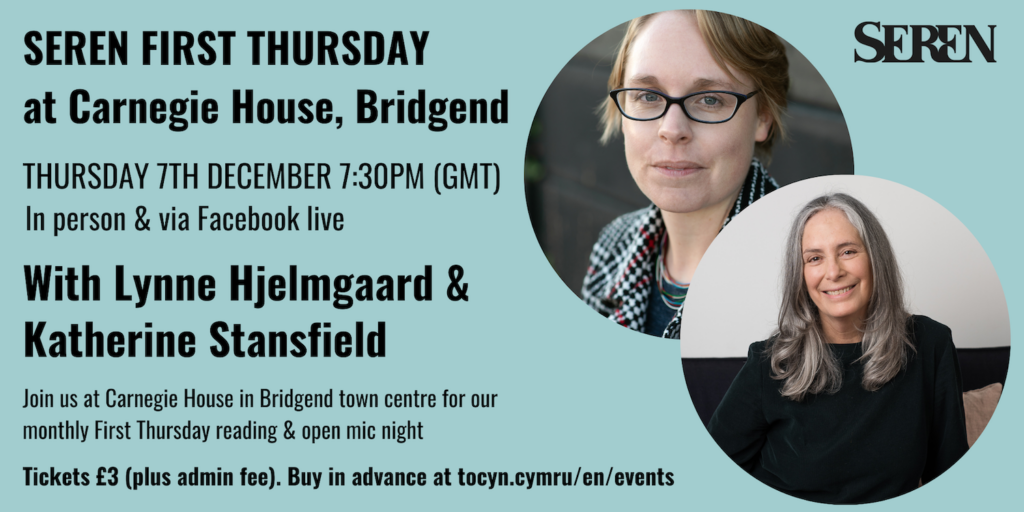
Join us on Thursday 7th December at Carnegie House in Bridgend for First Thursday. This month we’ll be joined by Lynne Hjelmgaard and Katherine Stansfield reading from their collections The Turpentine Tree and We Could Be Anywhere By Now. Tickets are available in advance via Tocyn.cymru, or on the door. As usual, the main readings will be followed by our popular open mic. You can also watch on Facebook live. We hope you can join us.
Welcome to Seren’s Non-Fiction Christmas Gift Guide. Find the perfect gift for avid fans of memoir, essays, the great outdoors and much more. Browse our specially selected titles below, or visit our non-fiction pages for more inspiration.
Are You Judging Me Yet?, Kim Moore
In Are You Judging Me Yet? Kim Moore explores the relationship between poetry and everyday sexism, in a series of lyrical essays. They draw on her experience of writing and performing the poems in her Forward Prize-winning collection All The Men I Never Married to examine the dynamics of being a female poet performing in a public space.
Are You Judging Me Yet? is designed to encourage readers to make their own connections between the essays. Each chapter ends with a choice of sections to read next, as well as connecting the essays to poems from All The Men I Never Married.
Jen Jones has written an expanded version of Welsh Quilts, her authoritative guide to the history and art of the quilt in Wales. Kaffe Fassett, the doyenne of textiles, provides a Foreword for this new edition, which also includes a greater number of images of quilt designs – some published for the first time – in a beautifully produced, detailed and generously illustrated book. Welsh Quilts explores the origins of quilting and blanket making in Wales before considering its peak period between 1870 and the Second World War when wholecloth, frame-made quilts became the standard for which the country was famous.
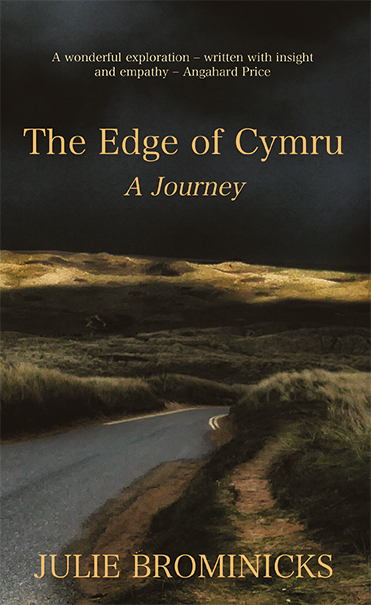
The Edge of Cymru is the story of Julie Brominicks’ walk around Wales in the course of a year. As an educator she knew a lot about the country’s natural resources. But as a long established incomer from England and more recent Welsh learner, she wanted to know more about its history, about Wales today, and her place in it.
Brominicksʼ observations of the places and people she meets on her journey make a fascinating alternative travelogue about Wales and the lives its people live. Her writing is lyrical, with engaging and striking coinages and images which carry the reader along too, entertained and informed. A quest of personal discovery, the narrative of The Edge of Cymru is also a refreshingly different way of looking at place, identity, memory and belonging.
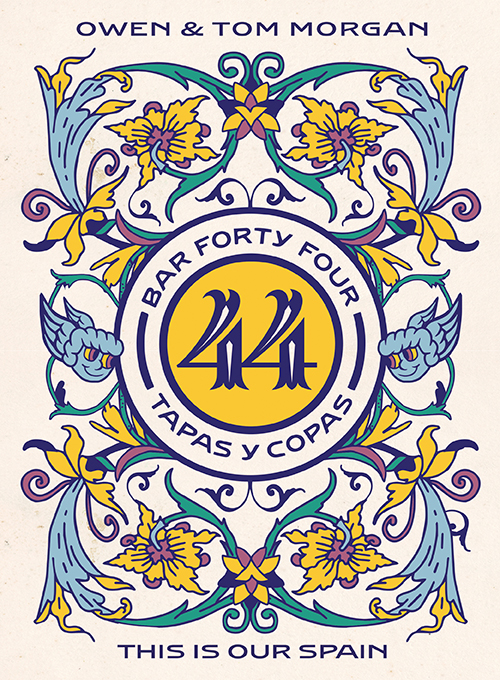
Bar 44: Tapas y Copas celebrates Spanish food and drink in equal measure. These delicious recipes – each tried and tested in the busy Bar 44 restaurants – elevate traditional Spanish cuisine to exciting new heights with dishes which look good and taste even better.
Bask in the passion of two of the most knowledgeable people celebrating modern Spanish food, drink and culture in the UK. More than just a cookbook, Bar 44: Tapas y Copas is a must-have experience which packs fun, food and flavour between the covers of a beautifully designed book.
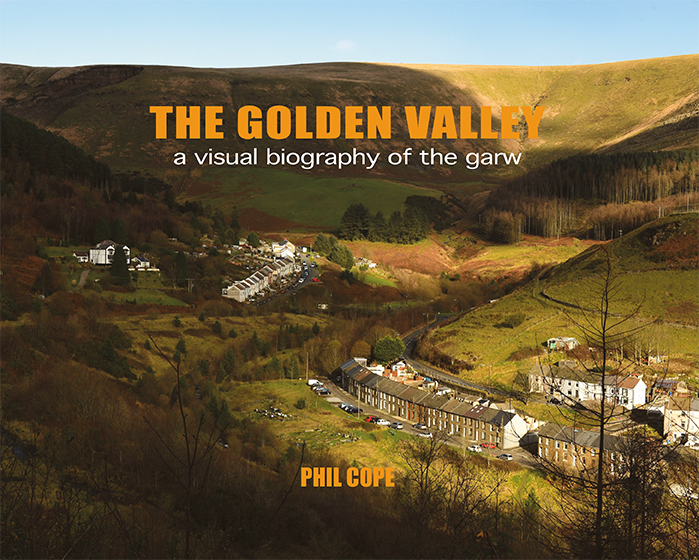
The Golden Valley: A Visual Biography of the Garw, Phil Cope
The Golden Valley is a personal account in words and photographs of the Garw where Phil Cope has lived for thirty-five years.
In it he explores the valley’s history: sparsely worked agriculture; boom-town coal exploitation; sudden, followed by gentle, post-industrial decline; attempts at re-invigoration through heritage and leisure; and now, existing in a post-covid world. This is a classic example of close-knit communities shattered by the removal of the thing that bound them together. The valley’s natural beauty – some might say returning natural beauty – is also present, from the minutiae of the lichen on its windswept trees to the river which has shaped the valley with its timeless flow.
In Cymru & I nine new writers look at what Wales means to them as people from backgrounds previously largely underrepresented. Their various viewpoints make this book a new look at Wales, or show a Wales for the most part hidden: a Wales unwritten. Here are essays on identity, integration, the power of language to welcome or divide, acceptance, personal aspiration, civic decline, and hill walking. Wales is the first official Nation of Sanctuary. Among the contributors are those who have sought sanctuary or space in Wales: immigrants – current and first or second generation – neurodivergent, LGBTQ+ and working-class people. Their articulate and compelling essays demand attention.
Wild Places UK : UK’s Top 40 Nature Sites, Iolo Williams
The UK is known for its natural beauty and its wildlife and in Wild Places UK television naturalist Iolo Williams picks his favourite forty wildlife sites from the many nature reserves around the country. From Hermaness on Shetland to the London Wetland Centre, from Dungeness in Kent to Loch Neagh, Williams criss-crosses the country. His list takes in coastal sites from marshes to towering cliffs – and distant islands – mountains, valleys, bogs, meadows, woods and land reclaimed from industry. These wild places vary in size from the vastness of The Wash to the gem that is Skomer Island. They include sites of international significance, like estuarial Slimbridge, and the wild marshes of Forsinard Flows.
Real Dorset is a discursive, humorous, idiosyncratic and personal look at Dorset. The county is famous for spectacular coastlines, historic towns, its eco-foodie reputation, for Hardy and Fowles. Yet there’s much more behind the tourist-friendly façade – subversion, rebellion and revolt, wealth and poverty, ghost stories, rich folklore, film and music.
Criss-crossing the county, Woolcott makes connections, uncovers the hidden and the forgotten. A huge and lost Neolithic earthwork contrasts with Victorian pleasure gardens and nightlife in Bournemouth. The legacy of the black GIs, the Cerne Abbas Giant, the model village of Milton Abbas, vie for attention with the importance of Dorset for writers and artists including William Barnes, T.E. Lawrence and Sylvia Townsend Warner, John Piper and Elisabeth Frink.
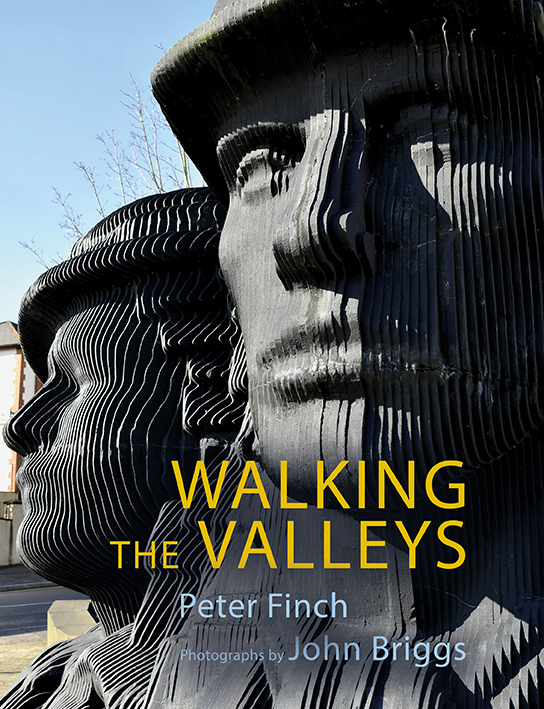
Over the past two centuries the South Wales Valleys have gone from idyllic rural landscape to the engine room of the British Empire to post industrial decline. Building on the success of their book Walking Cardiff, Peter Finch and John Briggs explore how the Valleys have changed, and how they are evolving for the twenty-first centuries in their new book Walking the Valleys.
The informative texts can be used as both a route finder and a literary entertainment in themselves. John Briggs’s lively photographs provide further detail and each walk is illustrated with a map. Armchair walkers will find the book as interesting and as useful as those actually pull on their boots. And natives and visitors alike will find a new discovery around every corner.
A Hardy Breed; Sheep Farming in Wales, Bruce Cardwell
A Hardy Breed is a collection of 120 photographs, mainly black and white, celebrating shepherding and sheep farming in Wales. It records a way of life under pressure for the past couple of centuries, and more than ever today. The book is an important social document, of reportage, portraiture and documentary photography of an industry threatened by the outcomes of Brexit and other issues, like climate change, biodiversity, agricultural developments. Importantly, many of the communities featured are centres of Welsh language and culture, also under pressure.
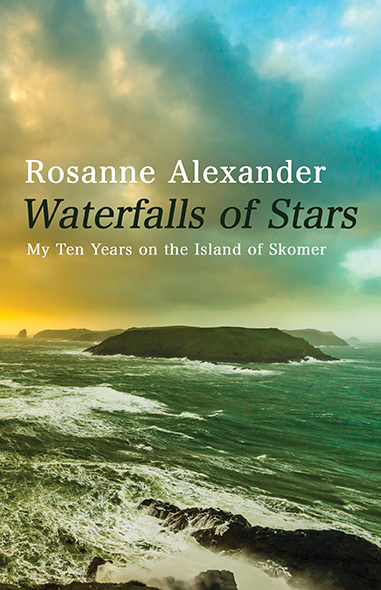
Waterfalls of Stars; My Ten Years on the Island of Skomer, Roseanne Alexander
When Rosanne Alexander’s boyfriend Mike was offered the job of warden of Skomer, a small uninhabited island off the south west tip of Wales, they had just ten days to leave college, marry (a condition of employment) and gather their belongings and provisions for the trip to the island. This was the first of many challenges Rosanne and Mike faced during their ten years on the nature reserve, from coping with periods of isolation when they were the island’s only inhabitants, to dwindling food supplies during the winter when rough weather made provisioning from the mainland impossible. Thrown on their own resources they had also to deal with catastrophes like the devastation of the island’s seal colony following an oil spill.
Welcome to Seren’s Poetry Christmas Gift Guide. Poetry is the ideal gift for lovers of words and stories. Find the perfect book for any poetry lover by browsing this list of specially curated titles or visiting our poetry pages.
Twelve Poems for Christmas, selected by Amy Wack.
This sparkling selection of Christmas poems is the perfect stocking filler for any poetry addict. These are poems full of feeling that resist cliché, that touch on classic ‘Christmas’ themes, but bring them to life from fresh perspectives. The pamphlet opens with Pippa Little’s lyrical and tender poem, ‘St. Leonore and the Robin’, and features poems both humorous and contemplative. Small enough to send with (or instead of) a card, this is the perfect festive treat for your loved ones.
What constitutes a republic? Not Wales, a nation subject to military claims on its landscape and a second home explosion which has hollowed out its communities. The achievement of a republic can be a subversive activity, as was the writing of Republic.
Republic is about class, culture and community in west Wales. It recounts the story of a young woman growing up listening to the post-punk music of the 1980s and indie labels of the 1990s. These decades culminated in the explosion of “Cŵl Cymru” and new devolutionary powers in Wales.
Inspired by the lyrical, mythic mode of Italian sports journalism from the 1930s to the 1950s, Viva Bartali! is a biography-in-verse of the iconic Italian cyclist Gino Bartali (1914—2000), two-time winner of the Tour de France (1938, 1948), known both as ‘Gino the Pious’ because of his fervent Catholic faith, and as Ginettaccio (‘Gino the Terrible’), owing to the short shrift he so often gave the Press.
From amateur races to the professional one-day classics and on to Tour de France glory, Bartali is seen alongside his fellow riders as both vulnerable body and élite athlete; both cycling’s hard man and fond and bereaved father; both kneeling believer and climbing god.
On receiving news of a beloved teacher’s death, a man struggles with the loss of a relationship sustained by deep admiration and unrequited love. Memories of their shared journey are separated in three orbits where the man’s past, present, and future are punctuated by intense grief.
In Orbit uses a variety of innovative forms to explore loss, from traditional stanzas to prose poems to shaped poems in the form of birds, circuits, or hands. The narrative shifts in time, moving from his teen years to the present day when he himself has become a teacher, working alongside the man he mourns.
The Turpentine Tree is an enduring symbol of memory, fragile but enduring the passage of time and still persisting: in the title poem, Lynne Hjelmgaard describes it ‘a coppery faux god / with wildly twisted branches’. It might slip into the void, but here it is for now ‘flying into the eye of the storm.’ Hjelmgaard employs strong, sensuous imagery to capture moments from across her remarkable life.
Rachael Clyne’s You’ll Never Be Anyone Else presents a direct and assured voice, demanding that we think carefully about what it takes to reconcile being different. She advises the reader to ‘Stop drinking the poison / labelled “Hate me.” / It’s that simple. I didn’t say easy.’ Clyne also has an alter-ego “Girl Golem” reminiscent of a superhero but based on the mythical man made from clay and spells to protect Jewish people from persecution. Through this empowering persona, Clyne opens up an exploration of Jewish and lesbian identity. Surveying attitudes in the present day and in the past, these poems explore migrant heritage, sexual identity, domestic violence and ageing.
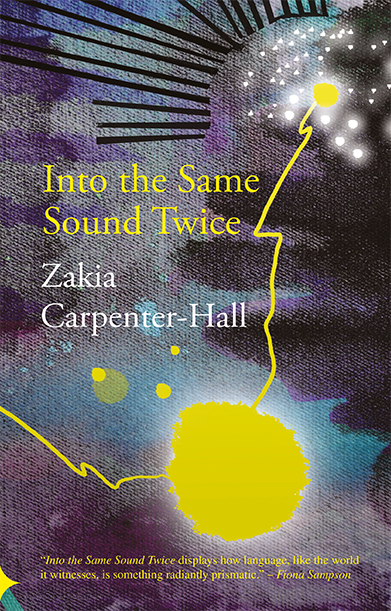
American poet Zakia Carpenter-Hall’s stunning debut Into the Same Sound Twice is a place where ‘the ordinary rules of motion’ don’t always apply. What ensues are words, bodies and environments that thrum with new music. In language that is at once precise and tender, Carpenter-Hall leads us into rituals of care, ancestral memory, a rainbow that coruscates and various forms of rupture and repair.
Borders can become meaningfully blurred. In ‘Shakespeare Honours My Grandmother’, a play’s burial scene merges with a funeral taking place four-thousand miles away. The language of dramaturgy is then used to describe both. ‘Big Talk’ counters the unfathomable vastness of space with the sensuality of a kiss. The collection creates its own multi-sensory language and landscape.
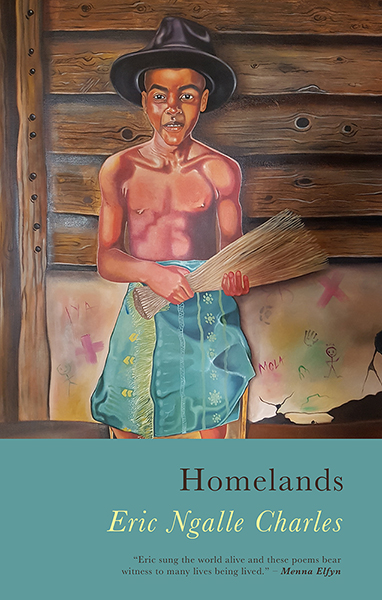
In Homelands, his debut collection, Eric Ngalle Charles draws on his early life raised by the matriarchs of Cameroon, being sent to Moscow by human traffickers, and finding a new home in Wales. Rich in tone, subject and emotion, Charles’ poetry moves between the present and the past, between Africa and Europe, and between despair and hope. It discovers that historical injustices now play out in new forms, and that family tensions are as strong as the love within a family. Despite the difficulties Charles has faced, Homelands contains poems of fondness, warmth and humour and, as he returns to Cameroon to confront old ghosts, forgiveness.
God’s Little Artist is a biography in verse of Welsh painter Gwen John (1876 – 1939). As with many female painters of the time, John’s work was often overshadowed by that of her male contemporaries, especially her brother Augustus John. God’s Little Artist is a celebration of her passionate life and work, illustrated with precision, authenticity and the keen painterly eye of the poet, novelist and art critic Sue Hubbard.
“In fifty years’ time,” wrote the painter Augustus John, “I shall be remembered only as the brother of Gwen”. Now, nearly 100 years after Gwen John’s death, her younger brother’s prescient words don’t seem so surprising as her work experiences a resurrection alongside other previously neglected female artists.
Welcome to Kathryn Gray’s Hollywood or Home, a poetry collection with as much ruthless glamour as any Old Hollywood movie. These worldly-wise poems explore celebrity culture in a mode that is both seriously playful and playfully serious. Here, melancholy and humour, irony and sincerity can be often found in the same poem, creating a rich experience for the film buff or fan of celebrity culture, as the book is full of easter eggs and movie references
Welcome to Seren’s Fiction Christmas Gift Guide, created to help you find the perfect gift for any fiction lover this festive season. This collection of novels and short story collections are bound to please any fiction fan. You can also browse our fiction pages to discover more great titles.
The Confessions of Hilary Durwood, Euron Griffith
Eager for glory as an explorer in the further reaches of the Empire Hilary Durwood is duped into undertaking a semi-mythical mission, in semi-mythical lands. After many adventures and setbacks he returns to Victorian London destitute, dismayed at having killed someone, and seeking revenge against the Gentleman Explorer who set him up. Meanwhile a serial killer, The Slasher, stalks the streets and inevitably their paths will cross…
This dark comedy thriller is a page-turning and riotous engagement with the notions and myths of Empire, the nature of reality, the power of narrative and the gullibility of those who wish to believe, even in the face of the truth.
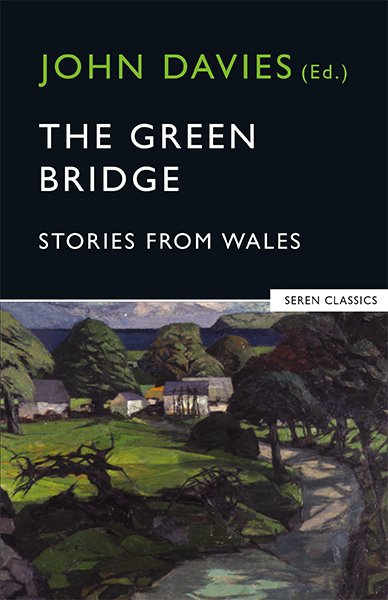
The short story has long been a popular form with writers and readers in Wales. The Green Bridge collects work by 25 of the country’s foremost writers of the twentieth century in an entertaining and varied anthology. Horror, satire, humour, war, tales of the aristocracy, of navvies, love, and madness, industry, the countryside, politics and sport: these stories provide insight into the changing values of Wales and the world. This is enjoyable reading for those who know Wales and its authors, and for newcomers to both.
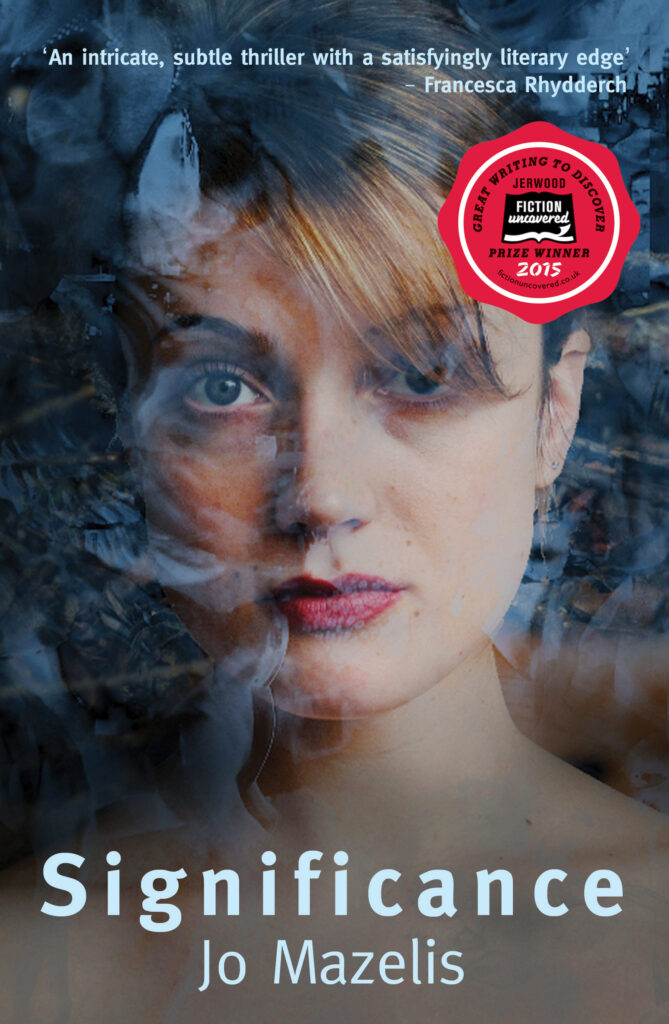
Lucy Swann is trying on a new life. She’s cut and dyed her hair and bought new clothes, but only gets as far as a small town in northern France when her flight is violently cut short. When Inspector Vivier and his assistant Sabine Pelat begin their investigation the chance encounters of her last days take on a new significance. Lucy’s death, like a stone thrown into a pool, sends out far-reaching ripples, altering the lives of people who never knew her as well as those of her loved ones back home.
Farmer’s daughter Beth is a child of nature, utterly at one with the rugged landscape on which she tends the farm’s sheep, in a remote valley in the Black Mountains. But change is coming. The modern world arrives with the construction of a reservoir in a neighbouring valley. Part of the mountain is taken away to build the dam; there are people, machinery, noise. Then the farms are emptied of their young men by the First World War, including Beth’s beloved brother Daniel, who goes missing in action. Her mother turns to religion, her father falls silent. Things found on the mountain is a Hardyesque coming of age story. At its heart is the dramatic landscape, which, like Beth, suffers an end to innocence. This lyrically written novel, reminiscent of Sarah Hall, marks the arrival of an appealing new voice in fiction.
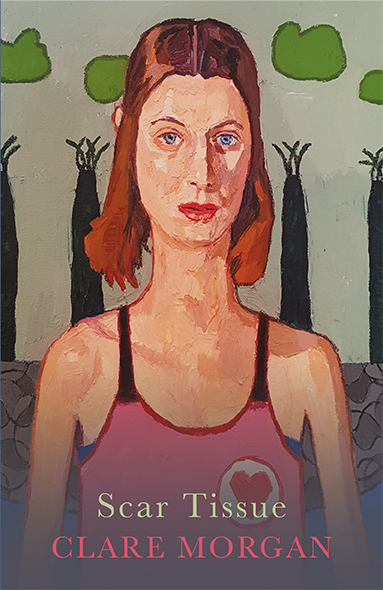
In a world of uncertainties, how do human beings navigate the increasingly complex interrelations of love, desire, home, community? Each story in Scar Tissue offers a fresh perspective on the nature of individual existence in all its transient vulnerability. The irreducibility of time acts as a continuo throughout the narratives and links loss with longing, hope with love and reveals the tentacular hold the past can have on all present aims and imperatives.
In these lyrical, evocative and searching stories, Scar Tissue unflinchingly explores the darker and more challenging aspects of emotional, sexual and familial relationships, while simultaneously celebrating the joys of being alive in an unfathomable world.
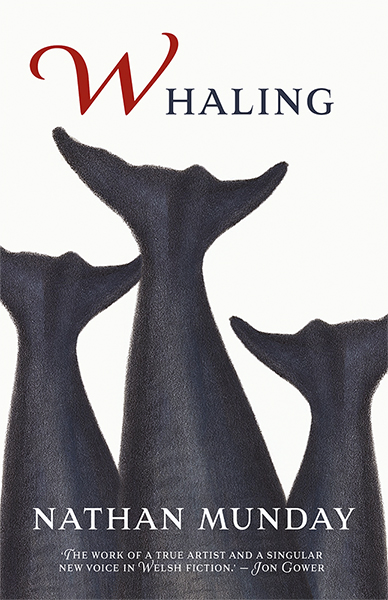
1792. Nantucket whalers are invited to found the port of Milford Haven in Wales. What does the arrival of these hardy Quakers – immigrants to America a century before – mean for the local people? And what is the meaning of the beached whale that preceded them? Two cultures rub against each other and distrust grows, driven by the local preacher. As Whaling unfolds concern swerves into hysteria against the incomers and the preacher plans a grotesque, Jonah-inspired fate for the whalers.
Nathan Munday’s debut novel is an exciting mélange of original fiction, historical writing and whaling images. In it he explores our relationship with the natural world, the boundary between faith and superstition, and the age old problem of immigration. Set in historical fact this is a narrative at once modern and contemporaneous, the writing rich in imagery and deceptively tense as its story slides into allegory.
Shortlisted for the Paul Torday Memorial Prize 2023
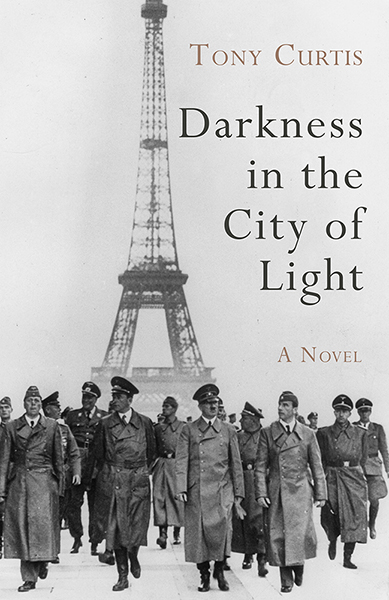
Paris is an extraordinary city, never more so than during the German occupation, with all the tensions, accommodations, resistances and paradoxes which that entailed. Civilised German officers engage in Parisian culture while their colleagues torture and kill in the city; French citizens measure what needs to be sacrificed in order to survive, or to be free. Morality is more sharply in focus than ever, and more expendable.
Stretching backwards and forwards within the twentieth century, and with a cast including Picasso, Braque, Sartre, Hemingway and Lee Miller, this remarkable multi-form novel combines fiction, journals, poetry and images to investigate what war can let loose, and how evil can dominate a man. Its collage technique reflects the continual shifts of life in the city of light.
1994, Iris and Victoria are pen friends. Iris writes about her life with her family in Paris. Victoria is in a refugee camp in Goma having fled the genocide in Rwanda in which thousands are being killed. One day Victoria’s letters stop, and Iris is told she has been moved.
For Victoria, the last twenty years have been ones of migration, to Goma, then to Paris and finally to London. There she starts a new life with her youngest brother Paul, and leaves the past behind. Or so she thinks until she is suddenly confronted with the decision to reconnect with her genocide-supporting middle brother Benjamin.
How have the lives of these two women, who shared a moment in time, changed in the past twenty years? As the pressure of long-kept family secrets builds, will they ever find each other?
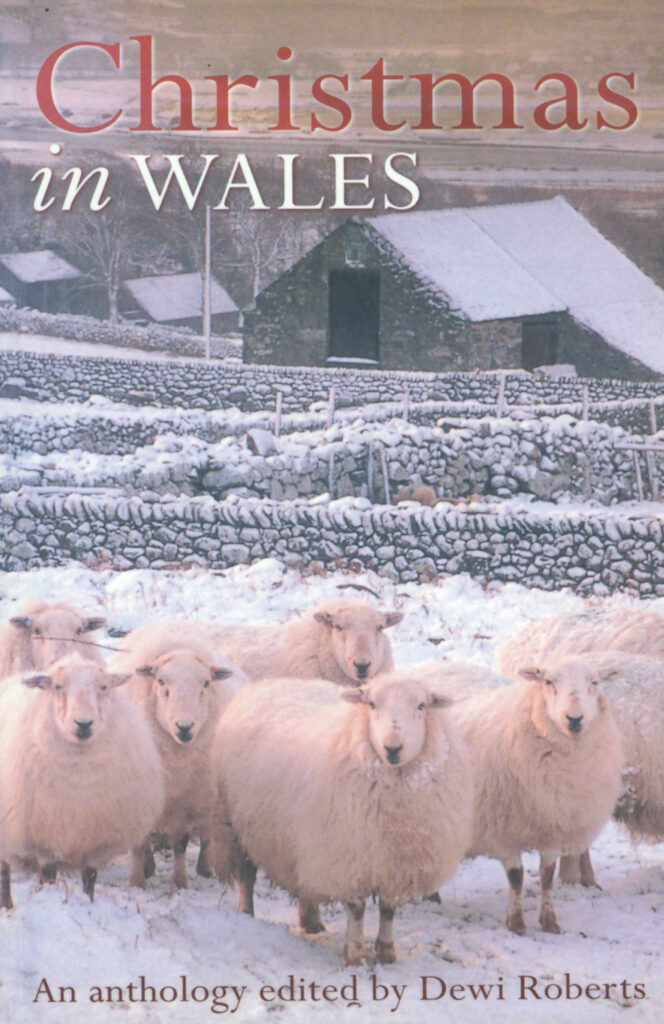
Celebrate Christmas the Welsh way in the company of some of the country’s leading writers, past and present. Christmas mass, the nativity play, turkey and plum pudding, the Mari Lwyd, presents, the weather, the shopping and post-festive blues are among the many subjects drawn from stories, poems, diaries and letters. Featuring R.S. Thomas, Dylan Thomas, Dannie Abse, Gillian Clarke, Catherine Fisher, Bruce Chatwin, Sian James, Kate Roberts and Leslie Norris, it’s guaranteed to get you in the Christmas spirit.