This week’s Friday Poem is ‘H Is for Hurtle, J for July’ by Carrie Etter from her collection Grief’s Alphabet.
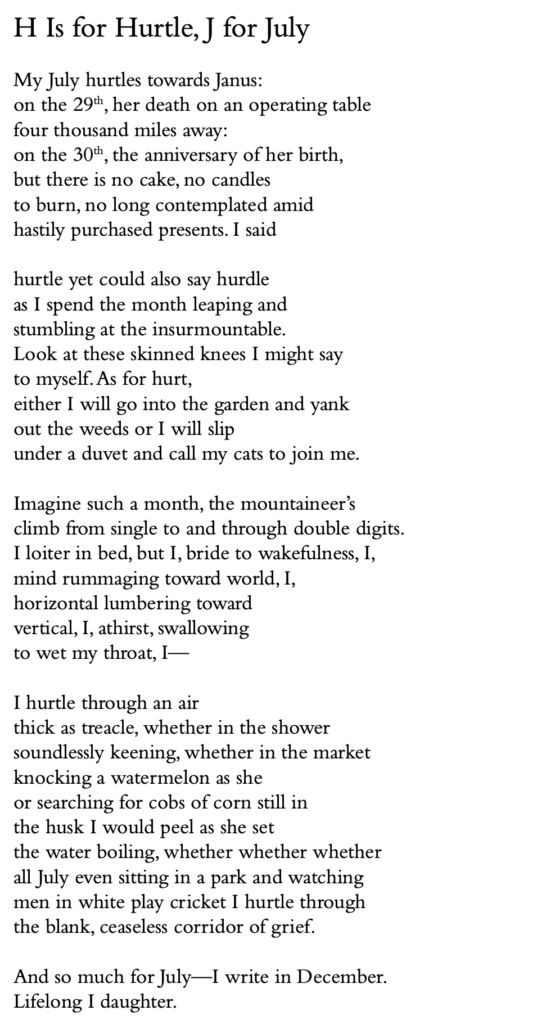
This week’s Friday Poem is ‘H Is for Hurtle, J for July’ by Carrie Etter from her collection Grief’s Alphabet.

Following a successful round of recruitment earlier this year, we’re excited to introduce the four new Directors joining Seren’s Board.
Rachel Dawson is a writer based in Cardiff. Her debut novel, Neon Roses, was published by John Murray Press and short-listed for both the Betty Trask Prize and Wales Book of the Year. She is currently working as a Communications Associate at Common Wealth theatre, and has experience of working in the third sector.
Megan Farr is a Lecturer in Publishing at Bath Spa University and has over 20 years of experience in publishing and literature promotion in Wales and London. Currently pursuing a PhD on internationalising Welsh children’s publishing, her research spans publishing studies, children’s literature, and translation. Megan speaks Italian and French and is a Welsh learner.
Taz Rahman is a poet, editor and literary content creator. His first poetry collection East of the Sun, West of the Moon was published in 2024. He is an editor of the climate emergency journal Modron, founder of Wales’ first Youtube poetry channel Just Another Poet and chairs the Reader’s Committee for Poetry Wales magazine.
Elena Vaughan is a solicitor specialising in Employment law and HR. Elena is a fluent Welsh speaker and enjoys learning new languages. She is currently studying Spanish. In her spare time, Elena enjoys travelling abroad and relaxing on a beach with a good book or two.
Seren’s Board of Directors now includes eleven members with Duncan Campbell currently acting as Interim Chair after Sarah Morse stepped down from the role at the beginning of the year. Duncan has extensive experience working in the publishing industry, particularly academic and scholarly publishing. He is currently Executive Director for the Copyright Clearance Centre.
We hope you will join us in giving the new Directors a warm welcome. They join the Board at exciting time following the approval of our new Business Plan. Along with the rest of our Directors they will be actively supporting Seren staff with implementing the new plan as well as contributing to regular Board meetings.
We would also like to thank Sarah Morse for her five years as Chair of the Board at Seren, and are pleased that she will be remaining as a member of the Board.
This week’s Friday Poem is ‘Time Lapse at Porthmeor’ by Lorcán Black from his Poetry Book Society recommended collection Strange Husbandry.


We are thrilled to share the news that we are re-opening to submissions. Having spent the past six months developing our new Business Plan and streamlining our operations, we have now agreed a pathway forward for the company and the future we’re aiming for. Keep an eye out for more information on this coming soon to the website and newsletter.
We want to publish vibrant, relevant and far-reaching Welsh literature. We want to honour our literary heritage and publish creative work and writers which and who appeal to a broad readership. We want to amplify our tradition for both reflecting and challenging contemporary Wales and its communities, values and experiences. And we want to have and spread fun whilst doing so!
So – we’re going to be doing things a little differently from now on. We’ll be running call-outs for specific types of books, and we’ll also be directly commissioning by scouting for writers and ideas which fit these criteria. Occasionally we’ll run open submission windows, but we’ll always make commissioning decisions based on our strategic position, including our current editorial priorities and what readers and booksellers want. We will not accept submissions outside of call-out windows or which don’t fit what we’re looking for.
All writers are welcome to submit book ideas which fit our call-outs, including emerging writers, those we’ve published before and those published elsewhere. We’re also keen to hear from those who may not consider themselves a writer but have a sensational idea and the ability to pull it off.
We want to help create a literary culture which represents an entire spectrum of lived experience. The more diverse the perspectives we publish, the stronger, more meaningful and popular our books and their influence will be. We encourage submissions from all communities, faiths, backgrounds, and from anyone who experiences racism, ableism, poverty, homo- and trans-phobia, those under 30 years old, and from everyone else.
Every submitting writer will be asked to think about their readers and the booksellers who will stock their book. We’ll ask how you’ll support book sales if it’s published. We don’t want full manuscripts in the first instance. Instead, we’ll ask for a synopsis of the book, a chapter outline and sample text. Aligned with our co-editorial approach to poetry commissioning, we will collaborate on commissioning decisions, drawing on the expertise across our staff, Directors and wider stakeholders from the publishing industry.
You’ll see four publishing call-outs between now and the end of the year spread across the three book genres we publish. We hope these will appeal to you and can’t wait to read your ideas.
Details of open call-outs can be found on our Submissions page and we’ll also be running some online Q&As so come along to one of those if you’d like to discuss this or any of the call-outs further with us. We’ll see you there!
The Seren Team
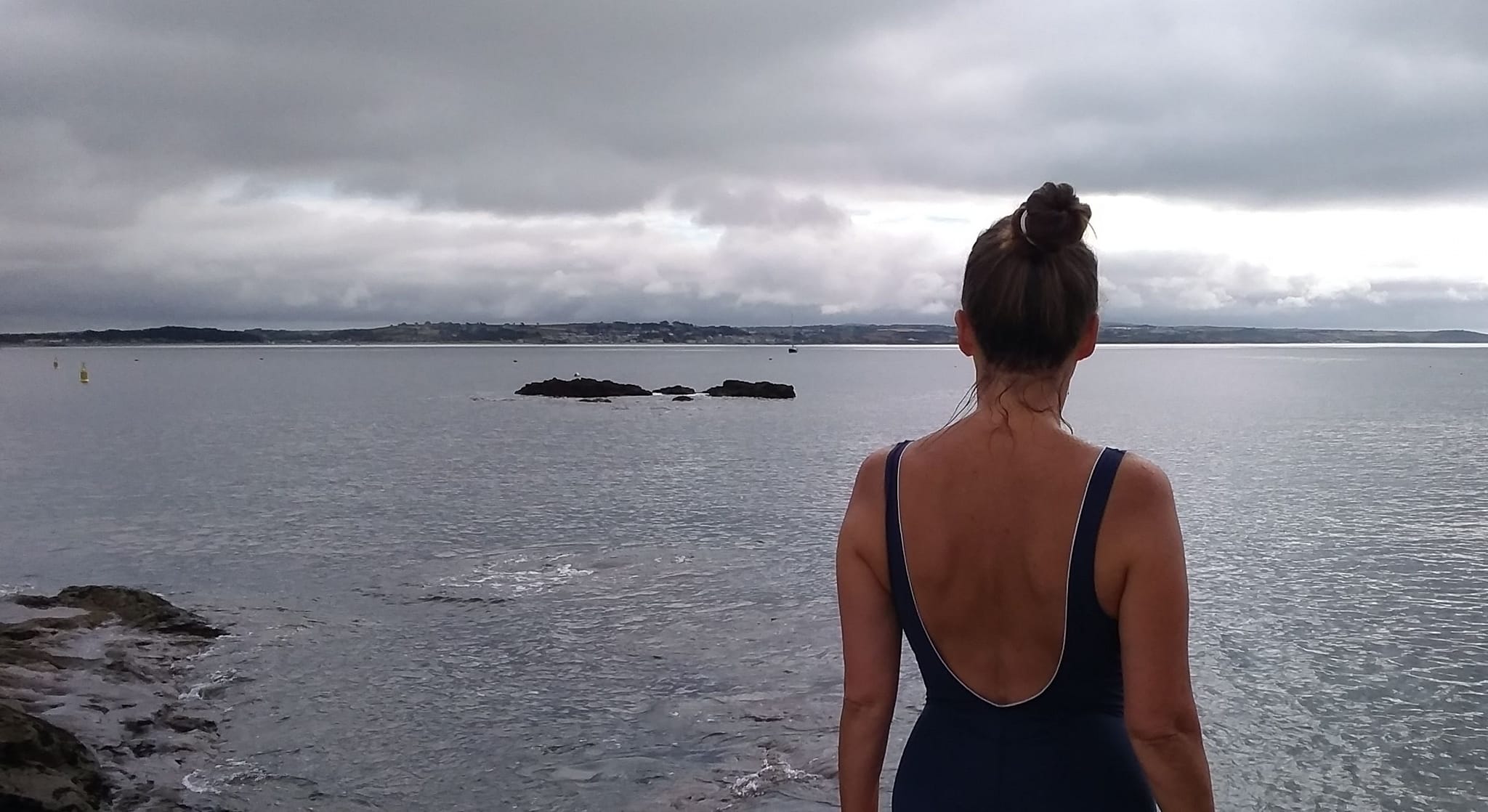
To celebrate publication of her new collection Battery Rocks, today’s guest post sees Katrina Naomi muse on some of the themes which inspired the book and how sea swimming forms part of her creative process.
I recently did a reading which previewed a few poems from my new collection, Battery Rocks. In the Q&A someone asked if risk was important to my poetry. My answer was emphatically, yes.
Battery Rocks is a collection about nature, risk, swimming and the sea.
In many ways, it feels risky to publish a themed collection – I’ve never written a whole collection that’s themed before, I’ve plenty of themed pamphlets but not a whole collection – so this feels like a risk. Is it too niche? Is it too obsessive? Quite possibly. But then if there’s no risk in a project – poetic or otherwise – it’s likely to be dull.
One thing I will say about Battery Rocks – I don’t think it’s dull.
Sea swimming, especially if you swim year-round and often on your own, with frequent Cornish storms, is inherently risky, and it’s in that risk that I find the poetry. I write in response to my fear of the sea, there’s the risk that I might not make it back to land.
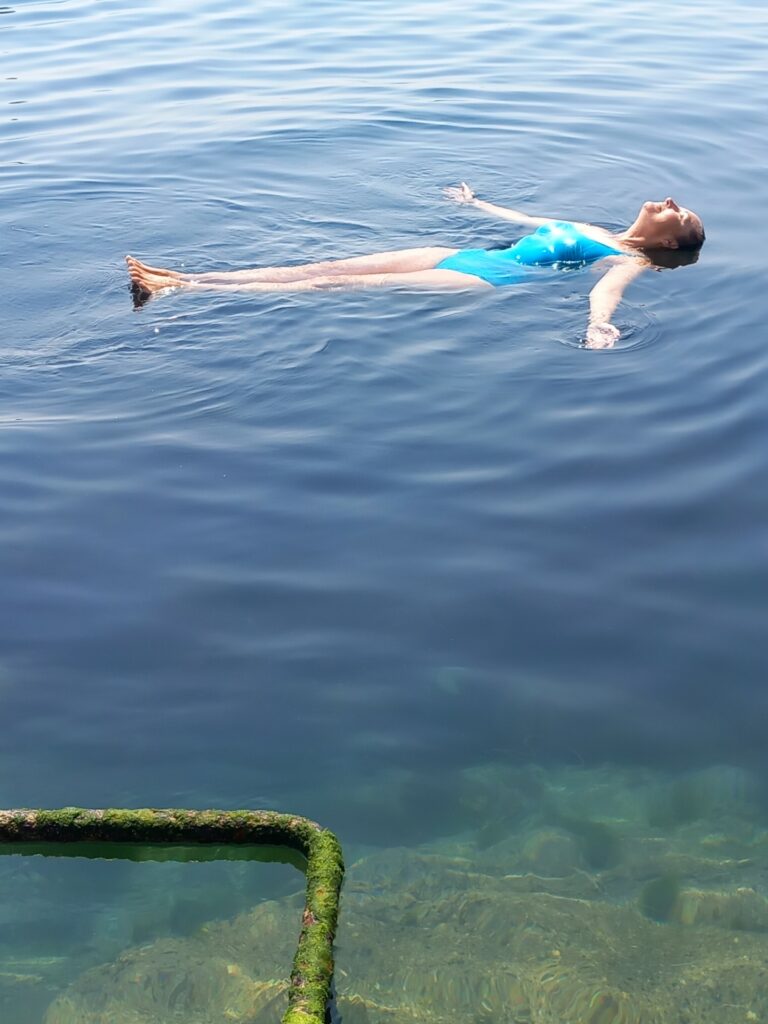
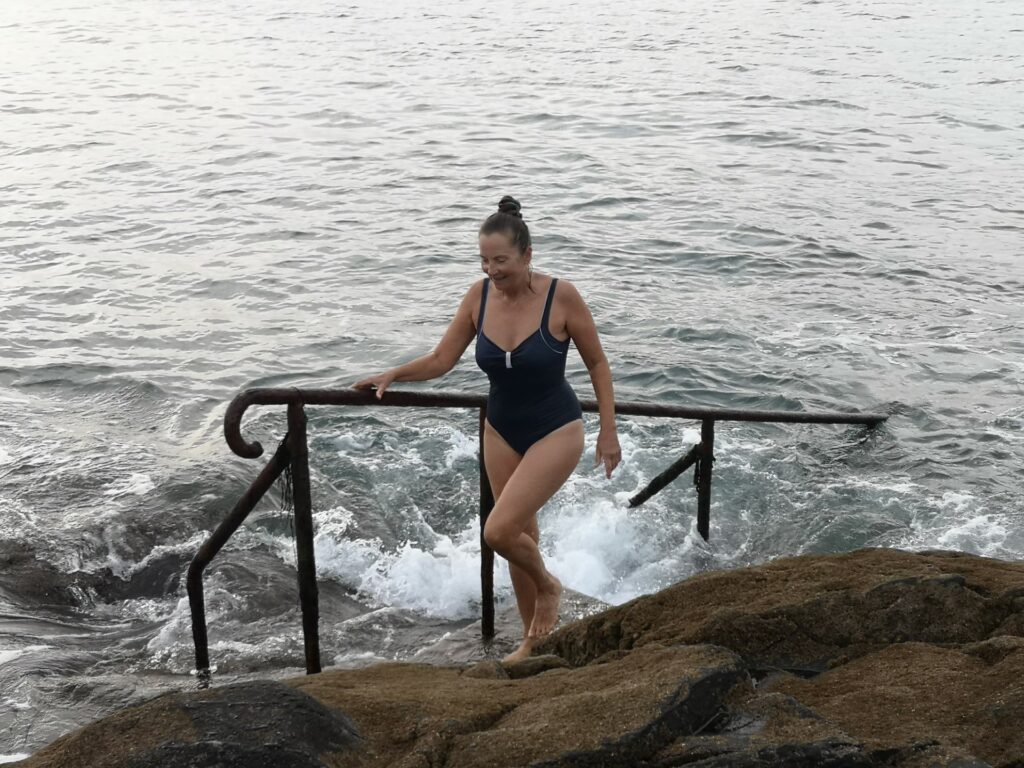
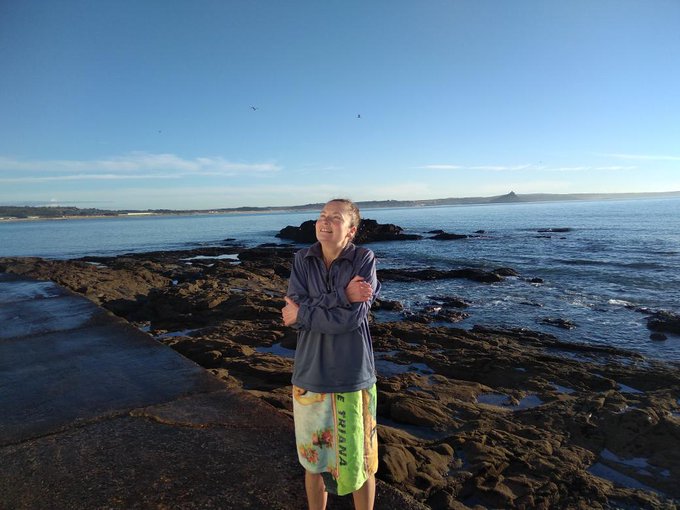
I’ve also another question around risk – and perhaps I have an unusual view on this – but in Battery Rocks I explore why I often feel safer in the sea, in just a cossie, than I do on land. As someone’s who’s experienced sexual violence, I feel free in the waves in a way I rarely do elsewhere. On land, I feel the need to look over my shoulder. In the sea, I sense a connection with other animals, birds, plants and fish, I’m part of a wider community, a different community to my life on land. One that – for the most part – feels less risky, unless there’s a bull seal about.
If you’re a sea swimmer, this book might already appeal to you. If you’re not, why would you want to read it? I can’t answer that but some people who’ve already read Battery Rocks and aren’t swimmers tell me that the poetry has a real vibrancy, that it covers a huge range of topics – from love and friendship, to world events – and that it has a fresh take on our relationship with the natural world.
I think there’s also something in the idea of the specific – a collection of poetry that’s written in response to the ritual of swimming off the same bit of rock in a Cornish town each day – that can work towards being universal. I certainly hope to offer a different take on the picture-box view of Cornwall.
Swimming in the sea is part of my life, part of my creative process. I swim and then I write. Many of these poems were written directly after a swim, sometimes in the rain, wrapped up on the rocks against the wind. Sometimes I’ve had to admit defeat and go back home, make myself a hot chocolate and write in my little room with a view (at least on good days) of the harbour.
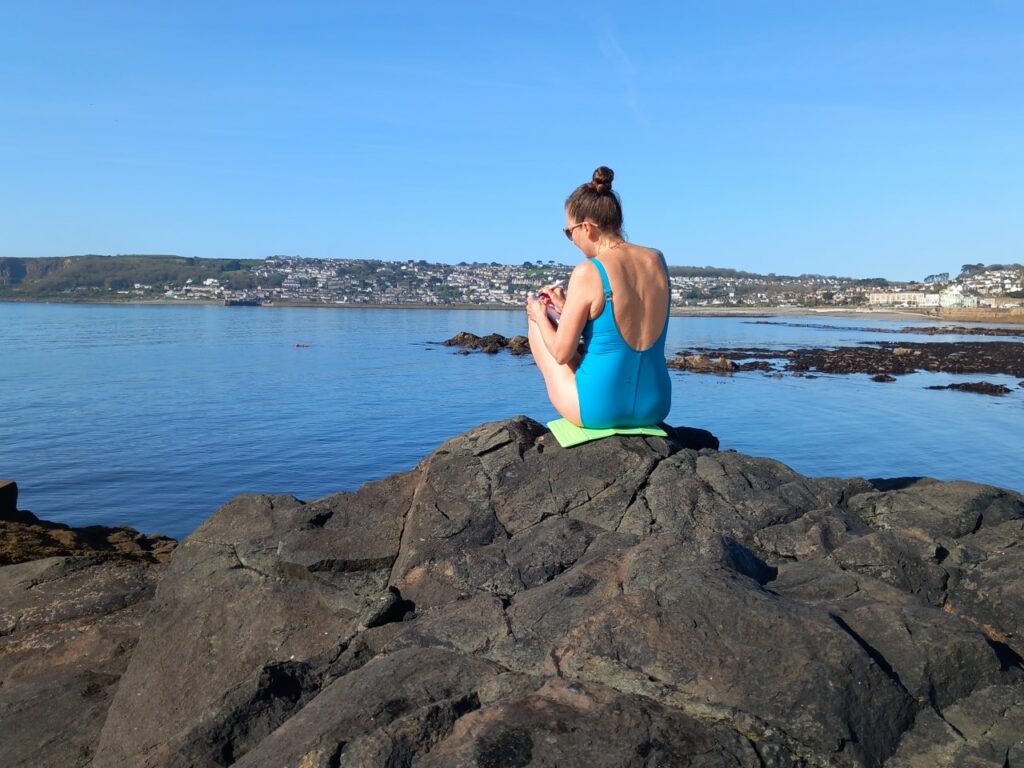
The closing poem of Battery Rocks, ‘in the kelp forest’, won the Keats-Shelley Prize. I’m extraordinarily grateful for this. And the collection as a whole recently won an Arthur Welton Award from the Society of Authors, which I’m chuffed to bits by.
I hope that the writing of this book will have been a risk worth taking and I really hope you’ll enjoy Battery Rocks.
Katrina Naomi

This week’s Friday Poem is ‘All Souls’ Saturday Night’ by Carol Rumens from her collection Animal People.


This September, you’re invited to explore the unseen and the unsettling. From dark and menacing landscapes to the everyday terrors of domestic settings disturbingly close to home, these stories will horrify and delight in equal measure. Be prepared, for ‘this is a land of ancient power, and even more ancient beings...’ Pre-order the latest addition to our Welsh Gothic series, ‘Giving the Darkness Life’ on our website now.
.
Stories by @markblayney1, Mary-Ann Constantine, @damianwalforddavies, Caradoc Evans, Dorothy K. Haynes, @lucie_mckhardy Arthur Machen, Elinor Mordaunt, John Llewellyn Probert, L.T.C. Rolt, @priyasharma1000, Edward Thomas, Elizabeth Walter and D.P. Watt
.
@inpressbooks @books.wales #WelshGothic #SerenBooks #NationalYearOfReading2026 #SpookySeason #AutumnBooks

We had a wonderful time listening to @megan.c.hayes talking about her memoir ‘Glimmering’ with Kath Little from @bardic_books at St Illtud’s church in Llantwit Major on Saturday. Diolch yn fawr to everyone who joined us and to Kath for hosting! Copies of ‘Glimmering’ are available now in your local bookshop.
.
#Glimmering #Memoir #SerenBooks #IndependentBookshop #NationalYearOfReading2026
Ebooks available now! ‘In Search of Sea Dragons’, ‘Muslim Wales’ and ‘The Waters That Raised Us’ are now available from all major ebook retailers meaning you can take them with you on the go 🎉 Do you prefer reading ebooks, print books or both?
.
@severn.sea.fossils @azimwales @tayloredmonds #Ebooks #Kindle #SerenBooks #BooksFromWales #LoveReading
🏆@maggiepoet continues her winning streak having won the Guyana Prize for Literature Poetry Award with her collection ‘I Sing to the Greenhearts’! Available now in bookshops nationwide and on our website!
.
#AwardWinning #GuyanaPrize #Poetry #PoetryBooks #SerenBooks