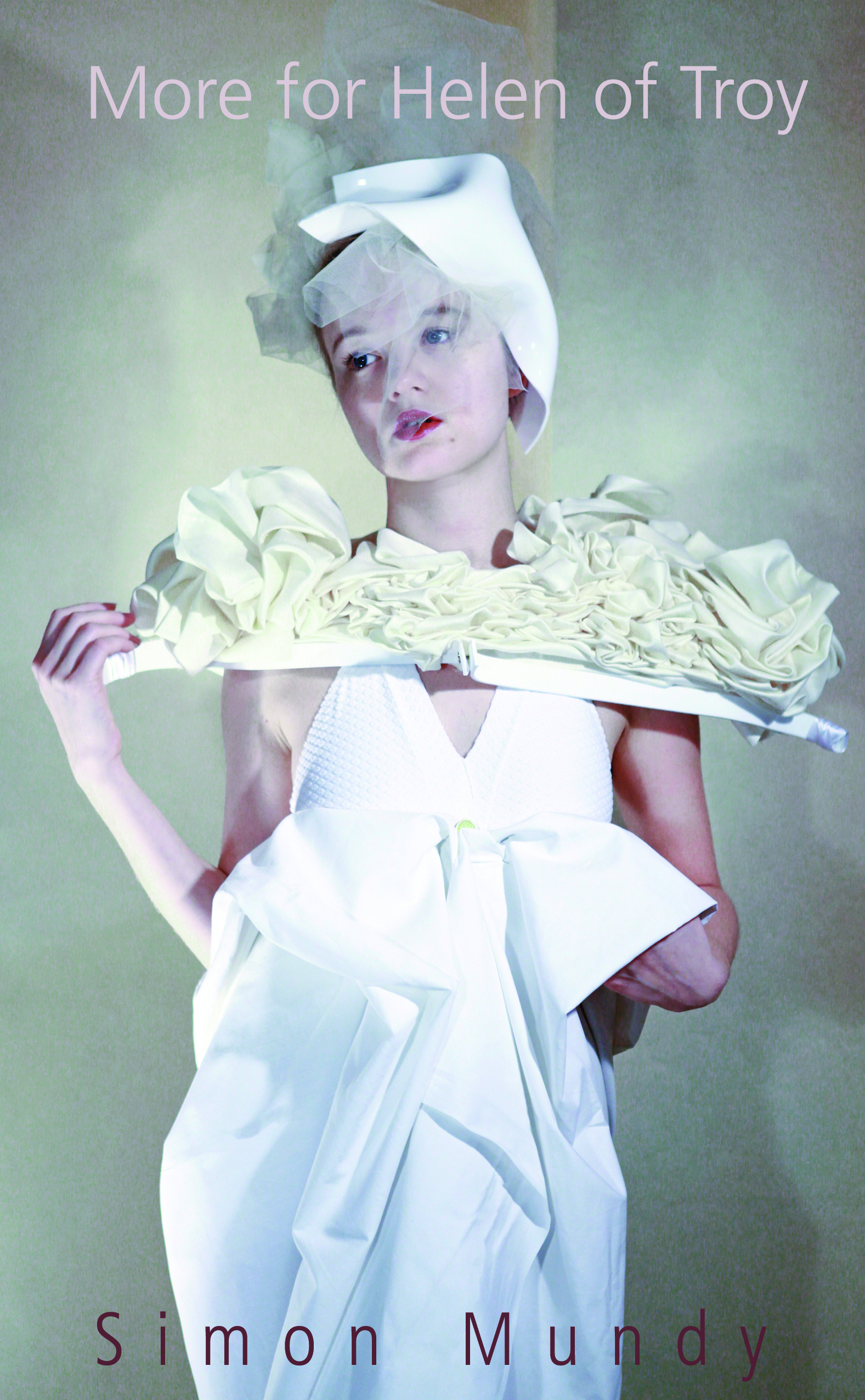
More For Helen of Troy author, Simon Mundy tells us about his recent trip to Chile.
It is forty years since Pablo Neruda died, some say was killed, shortly after a vicious military dictatorship seized power in Chile, a country which had prided itself for over 150 years on its democratic traditions. It is eighty years since my father, at the age of fourteen and orphaned, walked down to the docks in the port of Valparaiso and signed on to a merchant ship as a cabin boy, never to return to the country or the city that his family had regarded as home since the 1840s. That family were Urquhart highland Scots on his mother’s side and Wiltshire yeomen on his father’s, come to Chile to escape the agricultural slumps and clearances at home and to victual the ships to and from California as the gold rush years demanded goods before railways or the Panama canal.
This January, in my 60th year, I made the journey there for the first time. The excuse was the World Cultural Summit held in Santiago, the meeting of culture ministries, arts councils (including Wales’s) and non-governmental organisations, which meant that my day job at Creative Guild could justify the journey. That was only for a few days, however, and I had five to travel across to Valparaiso. I took an apartment high on the hills overlooking the city and the bay – very similar to Neruda’s view from the eyrie that was his study a little further north along the same road.
Chile’s navy rested benignly now in the harbour. Container and cruise ships, not the coastal steamers and China seas tramps my father knew, put in and out – rarely berthing for more than half a day. There would not be time now for proper shore leave nor a rest in the seamen’s mission where my aunts worked when they were young.
These days Valparaiso is an odd mixture of being the largest port on South America’s Pacific coast and a backpacker’s paradise. There seem to be no hotels to speak of (unlike in bustling international Santiago)but an endless supply of hostels. The city perches its rickety buildings on a cluster of hills that seem ready to tumble every structure down the sea. You feel the slightest shrug of the Andes would demolish the lot.
The older buildings, from the nineteenth and early twentieth centuries, are mostly facaded with corrugated iron, wriggly tin sheeting liberally (and seemingly legally) graffitied in a happy profusion of bright and pastel colours. Behind these unprepossessing walls stylish modern Chile is waking up. The ramshackle shanties, linked with hundred year old funiculars, are interspersed with a cluster of cafés and restaurants good enough to grace Barcelona.
For three mornings I sat on my balcony overlooking it all and wrote poems as the sea mist dispersed and the heat of the day edged its way towards thirty degrees. The city my father had run away from was welcoming me home. It was good to find that the Valparaiso empanadas, the pasties that are the staple lunch of the Pacific, as they are of Cornwall, are just as my father remembered when he made them for me when I was young: sliced boiled egg at one end, meat and onions with a couple of grapes to sweeten in the middle, some potato and olives in the gravy at the other end.
The Chilean welcome continued when I returned to Santiago. There are not too many poets from Britain, let alone Wales, with a century and three-quarters of Chilean connection. The National Library – one of the country’s most enduring institutions, having celebrated its bicentenary last year – heard about me and ran me through a search engine. The result was a tour of the library’s treasures and its wonderful writers’ room, replete with the manuscripts and signed books of Chile’s finest. It was very much an honour to contribute my Seren book, More For Helen Of Troy, and one of my novels to the shelves, as well as the first print-out of the poems I’d written in Valparaiso. Best of all, though, was the chance to look at an early poem of Neruda’s, sloping down the page in 1920 to fit on the paper, too narrow to contain that young poet’s exuberant lines.
Because of the Patagonia connection it is more usual for writers from Wales to head to the Argentinian side of the mountains. Peru is more fashionable with young people on their gap year or looking to help with development, Colombia with those looking for jungle and pretty coast. I’ll raise a cheer for Chile, though: the wine of course but also the hint of sophistication, its ragged hills and shaggy coastline with the Andes never more than a couple of hours drive from the sea.