In this guest post, Eoghan Walls reflects on the process of writing his new poetry collection Elsa and the Wolfman, which explores the profound, playful bond between father and daughter.
Writing Elsa & The Wolfman, A Wild Fling of Empathy
We had kids in our early thirties. Two beautiful hectic girls. Bare foot, on beaches. Jam sandwiches and broken glass. Laughter, anxiety. Braiding everything. The house rustled with drawings.
Then – although we were not trying – a series of sad miscarriages.
As a third child, I had a superstitious hankering for a third child. But the miscarriages were painful and we grew cautious and did not expect any more children.
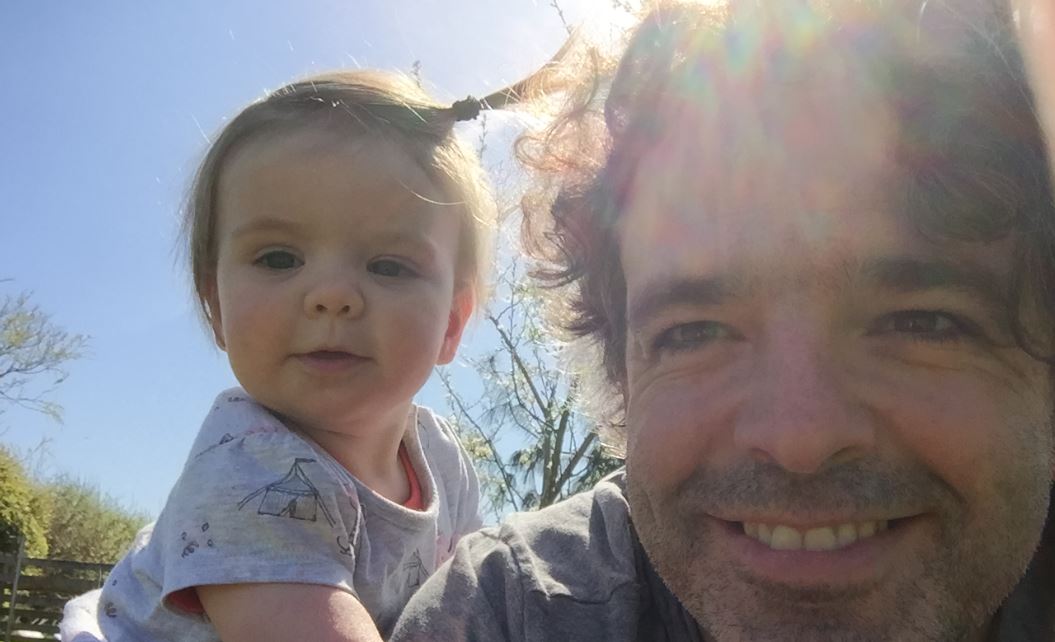
Then, in our forties, my wife told me she was pregnant again. We went to the ultrasound, expecting a blank screen and sorrow, and were overwhelmed to see a small moon face bobbing at the window.
I have written about fatherhood and daughters in all my books. I loved reading Antony Joseph on his own dad and Jack Underwood about tremulous expectation and Phillip Gross about the pain of fatherhood. Hannah Lowe on living with a child, Sharon Olds on her father. But there is so much of my own experience of fatherhood I have not seen echoed in other writers.
For example, how breastfeeding fills me with awe. My wife could transform pain and dryness into deep silent breathiness, a physical calm, sitting on our bed with the curtains half drawn or on a bench in a train station. I would watch from the doorway, or stood by the yellow line, like a shepherd at a manger before the dark mammalian peace they shared, a power I lacked. My awe was a braid of envy, of wonder, of alienation.
Or pain. When my child got hurt – nettles or concrete mostly, some horrible sicknesses also – their eyes would blame me; but often, I was the only source of comfort near. So they would reach to be lifted and soothed, knowing I was the villain, too slow, too inattentive or incompetent to have prevented harm. The wet swirl in their eyes –recrimination actively quashed in the need for comfort – felt like an awful summons.
In my thirties, with my first kids, I was a University adjunct. I got two days unpaid paternity leave with my eldest two daughters. I tried to be a good dad – like to think I was – using my tenuous work schedule to spend time with the kids – but a life on tenuous wages means you are always looking over your shoulder for financial stability.
In my forties, with the new daughter, I got fourteen weeks paternity leave at full pay. It was a transformational blessing.
I could be at peace, take time off work, just me and the kid.
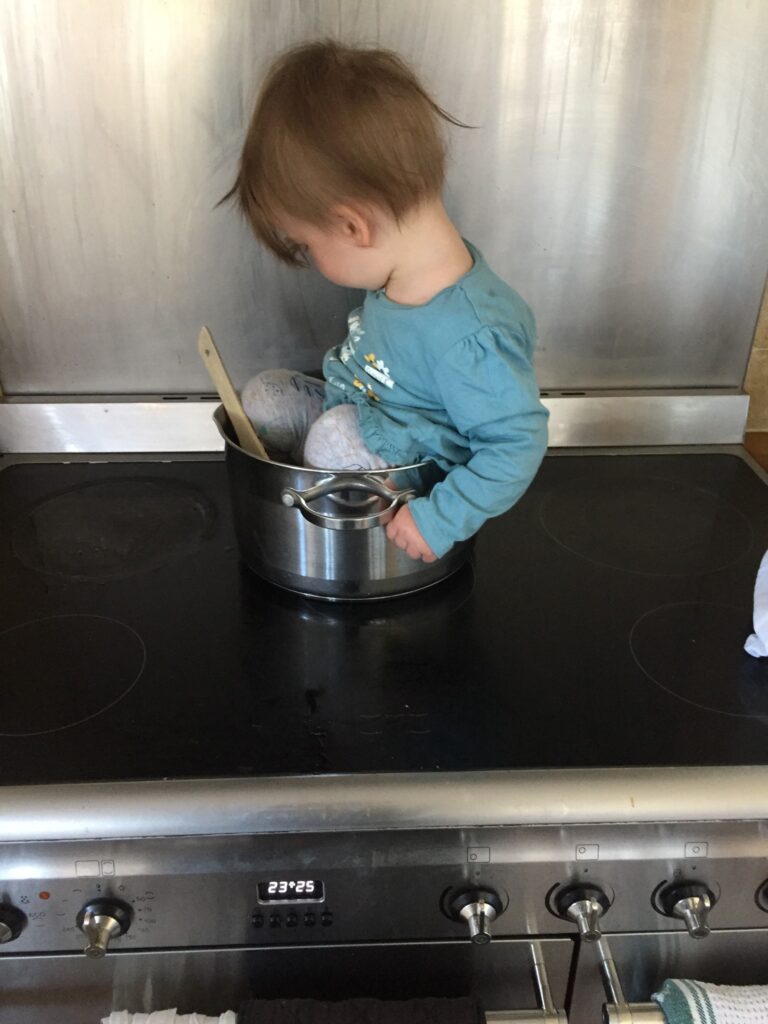
We played endlessly. First mostly with blocks or spoons. Washed carrots. Eventually, she became Elsa, spraying ice on everything. I became the Wolfman, a villain, constantly stealing food from her plate or her dolls’ plates.
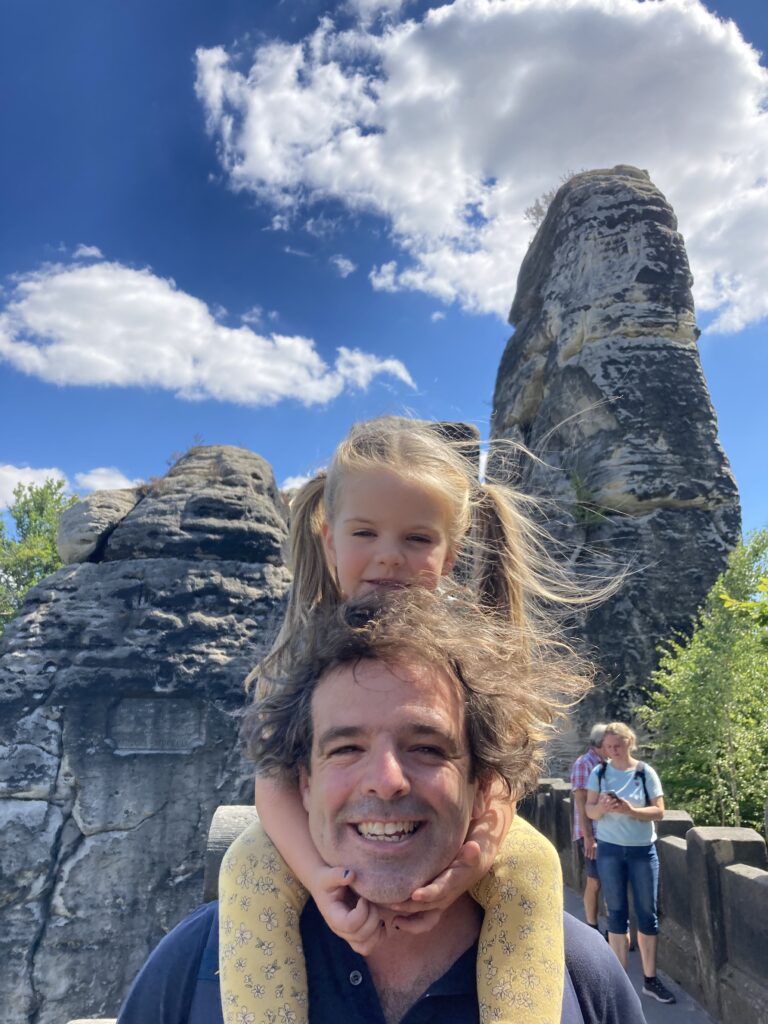
I didn’t want my new poems to be just the voice of the Wolfman. I wanted to give Elsa a voice too, write Elsa poems. Of course I was afraid of appropriation here. But for fourteen weeks, that bled into covid, where no-one had childcare, where kids were always there, me and Elsa were as close as two beings could be. When she wasn’t strapped to me in a green canvas sling, I was feeding her. If not on my shoulders, she bounced on my knee as I typed. The Elsa poems here – child poems, falling disobedient and wild across the page – aren’t only my newest daughter. The poems are of course a braid of experiences, include my elder daughters, my own childhood, my experience of being an animal in the world too.
But – for a while at least – me and all my daughters existed as close as humans can be. Maybe not as close as a mother is – that’s fair. But close enough, I hope, that a wild fling of empathy might have the raw tune of truth about it.
Eoghan Walls