Poetry

“This collection speaks in a voice that is both personal, and part of the chorus of thousands of women, every day of their lives, existing in the liminal space of infertility… If I could hand this collection out, like a secret handshake, to all the women who would recognise themselves reflected in its pages, I would.” – Wendy Pratt
Betty Doyle’s Fruits of Labour explores coming to terms with childlessness, from initial symptoms and diagnosis, grief and uncertainty, to emerging with acceptance, hope, and survival.
These poems share a journey which begins in adolescence when early symptoms and diagnosis hint at challenges yet to come. Even in these poems, notions of expectations for women are already keenly felt. Feelings of grief, uncertainty and shame are explored and the impact of childlessness and threat of infertility on the speaker’s sense of self and femininity is approached through poems about fruit, genetics, and nature.
Other poems pay tribute to the narrator’s ancestors, her own precious life a testament to their resilience and fortitude. A family history is recounted through inherited artifacts. A first period transforms into a monumental event. Birds transform into babies. The names given to infants are laden with destiny. Mother relationships are questioned, and domesticity is challenged.
There is joy here, too – in the unexpected freedom that childlessness brings. Doyle rejects enforced gender roles, embracing independence and the ability to choose. While the body in these poems can be a site of suffering, it is also defiant, enduring the lottery of genetics and becoming a site of resilience and abandon.
Being childfree is complicated. Poems like ‘Are all the babies in your poems real?’ shine a light on societal pressures which drive the speaker to wish for a child. Though the impossibility of that wish is initially met with shock and longing, Fruits of Labour finds relief, hope, and finally acceptance, the body emerging triumphant, surviving and thriving on the speaker’s own terms.
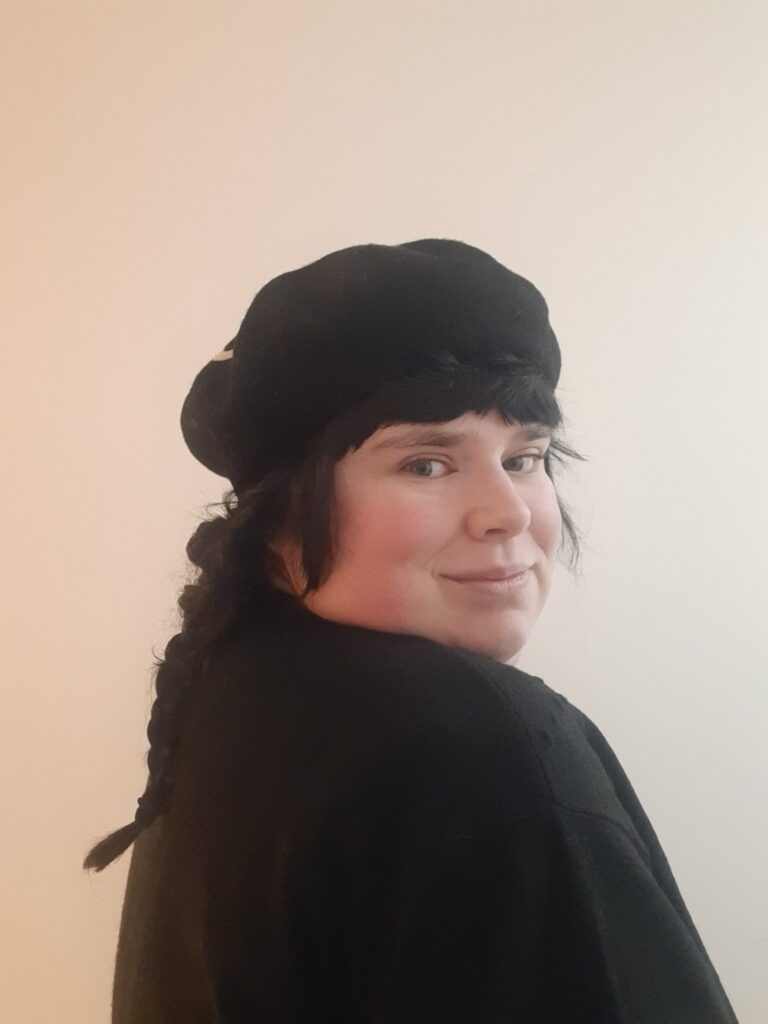
Betty Doyle
Betty Doyle is a disabled poet, living in Merseyside where she works at a sixth form college. Her work has appeared in publications such as Agenda, Butcher’s Dog, Propel, The North, and Poetry Wales, amongst others, and has also appeared in collections such as Infertilities: A Curation, Un(Mother): A Creative Exploration of Childlessness, and Performing Maternities. She has a PhD in Creative Writing from Manchester Metropolitan University, focused on the social construction of motherhood and infertility in contemporary women’s poetry. Her debut poetry pamphlet, Girl Parts, was published by Verve Poetry Press in 2022, and was hailed as ‘tender, fierce, full of joy and rage’ by poet Helen Mort.
“This collection speaks in a voice that is both personal, and a part of the chorus of thousands of women, every day of their lives, existing in the liminal space of infertility. Betty Doyle’s poems sing the song of the other mothers, the would be mothers. There is craft here, and skill, but above all else the flow of the natural poet summoning her own voice from the pit of her experiences. It is a powerful thing. If I could hand this collection out, like a secret handshake, to all the women who would recognise themselves reflected in its pages, I would. An extraordinary collection.”
Wendy Pratt
“One of my favourite books of 2024, Betty Doyle’s Fruits of Labour continues where her debut pamphlet Girl Parts took off, showcasing a startling new voice in poetry. With a clear and deftly turned lyrical line, Doyle examines the intersection between disability and gender, uncovering the historical and societal pressures that bear upon notions of birthing and fertility. One of the few poetry books that delves into the subject of women’s bodies and disability, otherness, and medical misogyny. New poetic forms are explored to investigate notions of family history and inheritance but the reader is always rooted in the writer’s personal experience, creating a compelling record of childlessness, femininity, and the body.”
Daniel Sluman
Wendy Allen