Poetry

Category: Individual Collections, Poetry
Number of pages: 88
ISBN: 9781781725658
Publication date: February 17, 2020
Price: £9.99
Peter Finch, noted performance poet, boundary pusher and psychogeographer based in Wales, brings us The Machineries of Joy, his 26th poetry collection, chock-full of acute observation, pointed asides, startled reactions, formal dislocations and structural inventions.
First, Finch gives us the poem as road movie, taking us over the Severn bridge and onwards to the western fringes of Wales and then over the oceans to America. Europe shimmers. It is a different place in Finch’s hands. There are encounters with giants – Don van Vliet, Gertrude Stein, John Ashbery, Jimi Hendrix, Bob Cobbing, Thomas (Bob, RS, Dylan), Gustav Mahler, Andrew Loog Oldham surfing Phil Spector and Ali Farka Toure lit by John Lee Hooker.
America is represented by plausible outliers such those found at the Democrat’s booth at the South Carolina State Fair: an over-heard exchange: ‘You a Republican, I ask? Sure and even if I wasn’t, I would be. Place names: Canton, Ohio, Bethesda, Alaska, and the names of evangelical churches on highways in the southern USA mirror those of Welsh chapels while hinting at the troubled state of the nation: Church of the back-sliders/ the wrecked and forlorn; Church of the Pouring River; Ebeneser on Kingston Pike.
Reflecting the author’s love of music there are trips to blues shrines as in ‘Clarksdale’ near the fabled cross-roads where Robert Leroy Johnson reputedly sold his soul to the devil for a batch of blues classics. There are pieces inspired by feuds between long-dead modernist poets, a prescient reminder of how any movement can fracture into factions. Likewise famous poets appear in places you least expect them to, such as ‘John Ashbery Visits Lidl’. A Dylan Thomas poem is demolished and re-fashioned in ‘Alter’. In the title poem, J.S. Bach confronts a disgruntled and indifferent public as he tries to flog his sonatas in a supermarket.
Finch’s poems about his native Cardiff are inspired by his careful re-mapping of intimate territory, informed by his habits as a relentlessly curious walker. In ‘Death Junction’ ‘City Regions’ and ‘Psychic Triangle’: ‘Where the lines of Cardiff’s waters cross and the leys and roads intermingle-the past and present of the city’ the poet creates densely woven verbal tapestries that evoke the peculiar tone, pace and feel of the city, past and present. There are also smaller moments of domestic angst and fervor: doctor’s visits; encounters with ‘Crap Builders’; a poem about divorce that is an adept anti-epithalamion.Later in the book, a larger intention appears, long poems of epic length and maximum experimentation, such as ‘hammer lieder helicopter speak’ and ‘Crow’. These poems start out ostensibly about coherent subject matter and then artfully disintegrate. They are sometimes, as in the Welsh Assembly poems, slyly aimed at the inherent flaws of institutionalism, but they are also supremely playful and are dazzling performance pieces, fizzing with dislocated music.
In The Machineries of Joy, the reader will find a poet of wide experience, who uses it as grist to a furious mill where language is never allowed to sit still but is cut-up, re-shuffled, interrogated, parodied, collaged, part of an ongoing project to reject cliché and to reflect contemporary life in all its complexities.
You can listen to some of the poems from The Machineries of Joy in this podcast from Alternative Realities: https://www.buzzsprout.com/411730/2737243-the-machineries-of-joy (Make sure you subscribe if you want to hear more from them)
Watch Peter read from The Machineries of Joy as part of the Seren Stay-at-Home Series.

Peter Finch
Peter Finch is a poet, writer, performer, walker and literary entrepreneur living in Cardiff. He has been a publisher, organisation manager, periodical editor, event organiser, literary agent and literary promoter. He was at the forefront of the UK’s small press revolution in the 60s and the 70s with his magazine Second Aeon and pioneered performance poetry in Wales during the 1980s. From 1974 to 1995 he ran the Oriel Bookshop in Cardiff. From 1996 to 2011 he was Chief Executive of Yr Academi Gymreig / The Welsh Academy, an organisation which was later rebranded as Literature Wales.
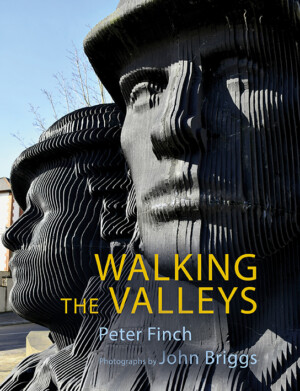
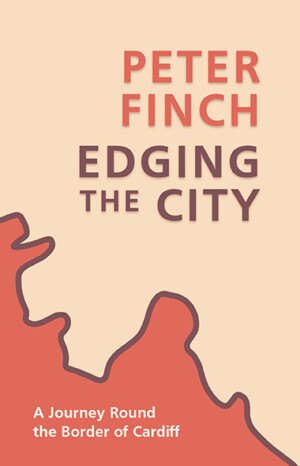
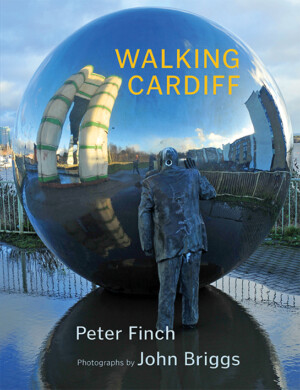
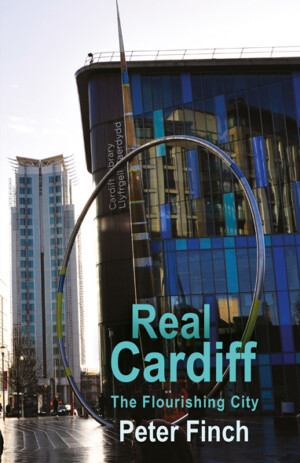
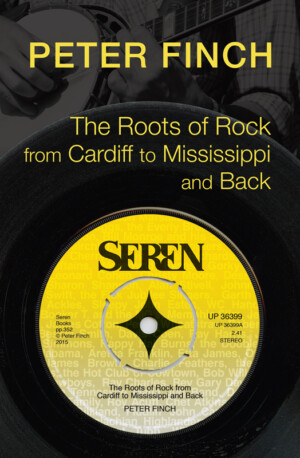
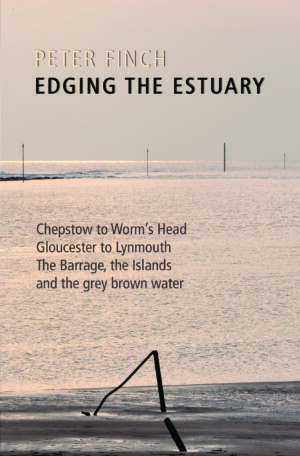
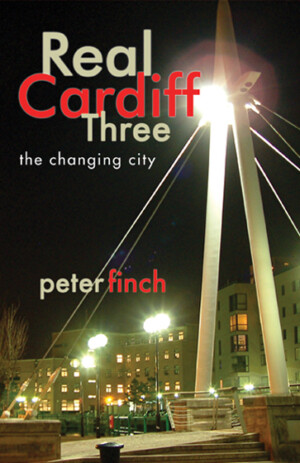
He specialises in books about the Welsh capital including the successful Real Cardiff series (4 volumes, most recently Real Cardiff: The Flourishing City), Edging The Estuary and its companion Edging The City, and The Roots Of Rock From Cardiff To Mississippi And Back. He has also written books in collaboration with photographer John Briggs: Walking The Valleys and Walking Cardiff.
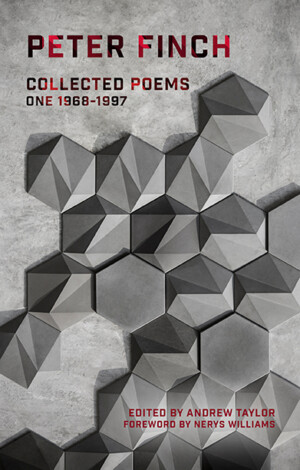
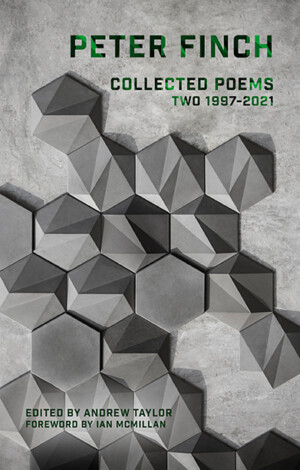
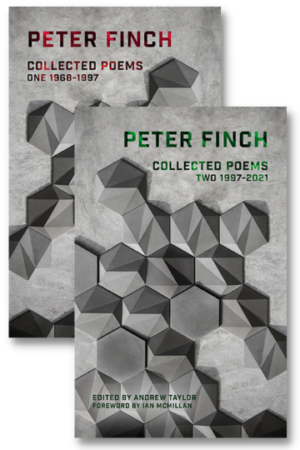
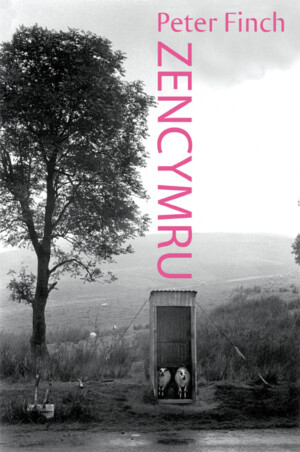
If Finch is anything from all the above he is also a poet. His numerous poetry titles include Zen Cymru, Useful, Poems for Ghosts, Food and Selected Later Poems and The Machineries of Joy from Seren, Antibodies from Stride, and Vizet, a selected poems in Hungarian from Kronkét Könyvek. Important work from across the last fifty years were brought together in his two volume Collected Poems which was published by Seren in 2022.
“Round the back, where the past might still congeal, his ingredients come together. Although these texts started off as nothing on a sheet of paper, Finch shows no sign of reining in his eccentricities. The artist spreads his arms as if to embrace them, somewhat becalmed in a very British cocoon of noise with a hearty vocal melody and sparks from elsewhere. Poems arrive in droves.”
Rupert Loydell, International Times
“Everyone will find things to love in his latest collection, and some that pass like a train. William Carlos Williams said that a poem is a machine made of words and Finch has been for two generations making every different kind of machine he can lay hands on.”
John Forth, London Grip
“Immensely enjoyable to read … Ultimately, I took away this: if there can be even the tiniest element joy or surprise found among these often nonsensical times, seize it. And seize this extraordinary book too, while you’re at it.”
Sophie Baggott, Wales Arts Review
‘This is a work of art made by altering darkness and space, used to best advantage by a skilled operator. It is a joy to behold, with all the warmth of a fresh baked cookie, fixing emotions on the altar of tradition.’
International Times